
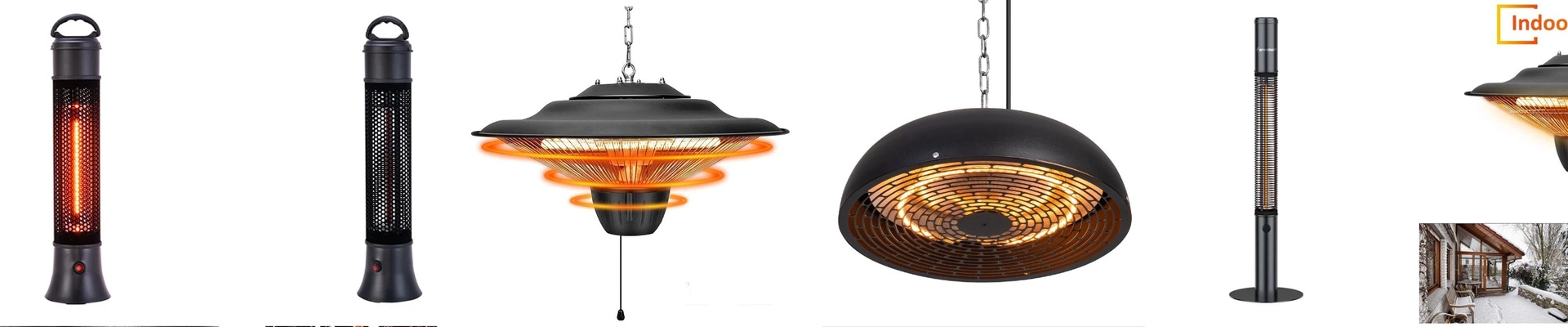
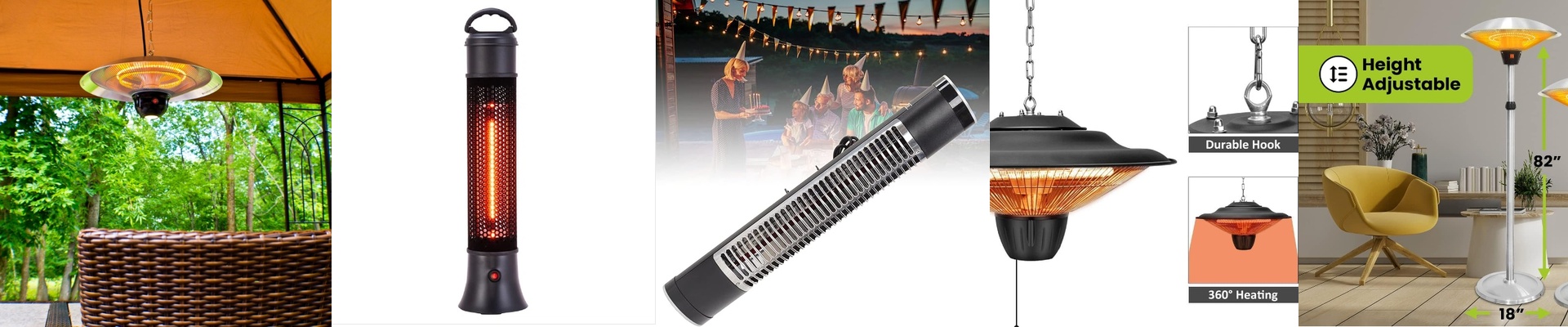

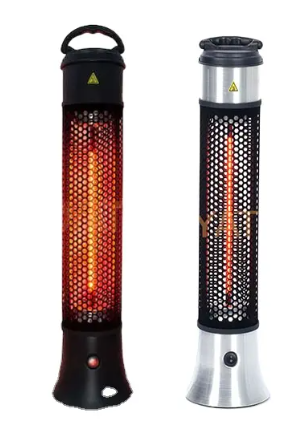
Why Most Bathroom Heaters Fail (And How We Stop It)
Bathrooms are absolute nightmares for electronics. You’ve got thick steam, random water splashes, and temperatures that swing from freezing to boiling in minutes. Now, you’ll see “IP65” on a lot of spec sheets. But honestly? A rating on a piece of paper doesn’t mean much when the thing is actually hanging in a steamy ceiling. That’s why we don’t just trust the rating—we beat our heaters up in the lab with damp-heat aging tests before they ever leave the shop.
The problem with steam
Here is the thing: an IP65 rating is great for stopping dust and a stray jet of water. But the real killer in a bathroom is water vapor. Steam is sneaky. It gets into seals that liquid water can’t even touch. Once that moisture finds its way to the circuitry or the lamp terminals, you get oxidation. Then comes the arcing, and then—pop—the heater burns out way before it should. To stop this, we simulate years of wear and tear by cycling our units through brutal heat and humidity. We’re looking for any gasket that shrinks or any sealant that cracks. If it fails in our lab, great. Because we’d much rather break a lamp here than have it short out in your customer’s house.
The “Breathing” Effect
Infrared lamps get incredibly hot. This creates a weird pressure difference between the scorching inside of the heater and the cool, damp air outside. It basically creates a “breathing” effect, where the unit sucks moist air right into the chassis. We fight this with high-temp silicone gaskets and alloys that won’t corrode. But there’s a tricky balance here. If we make the seals too tight, we trap the heat inside and fry the driver. We spend a lot of time dialing in that tension—making sure it stays bone-dry without overheating itself.
No shortcuts on the shop floor
These tests aren’t just a box we check to feel good. We track everything. We watch for “creep” in the plastics and monitor the resistance of the heating elements over hundreds of hours. It’s tedious work, but it’s the only way to be sure. When we ship a unit, you know it can handle a steam-filled room without risking a ground fault. It just works.