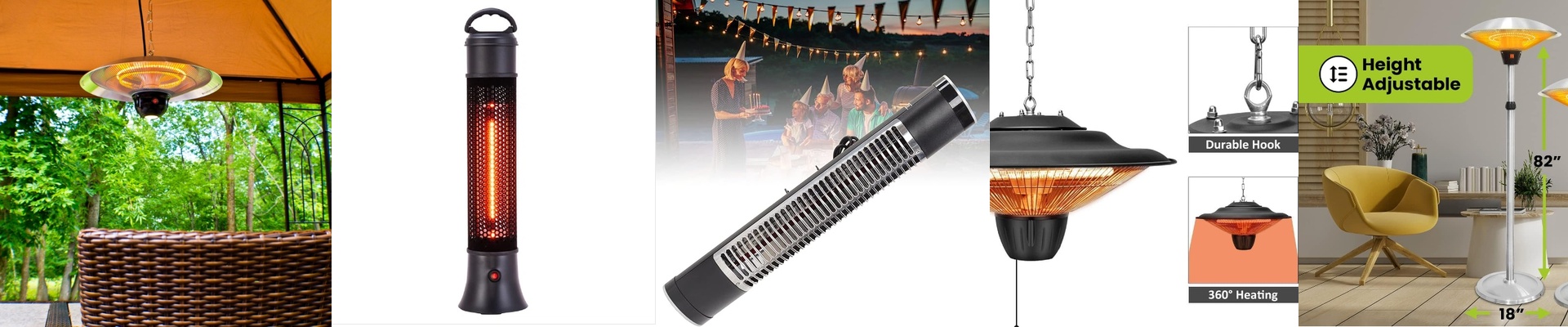
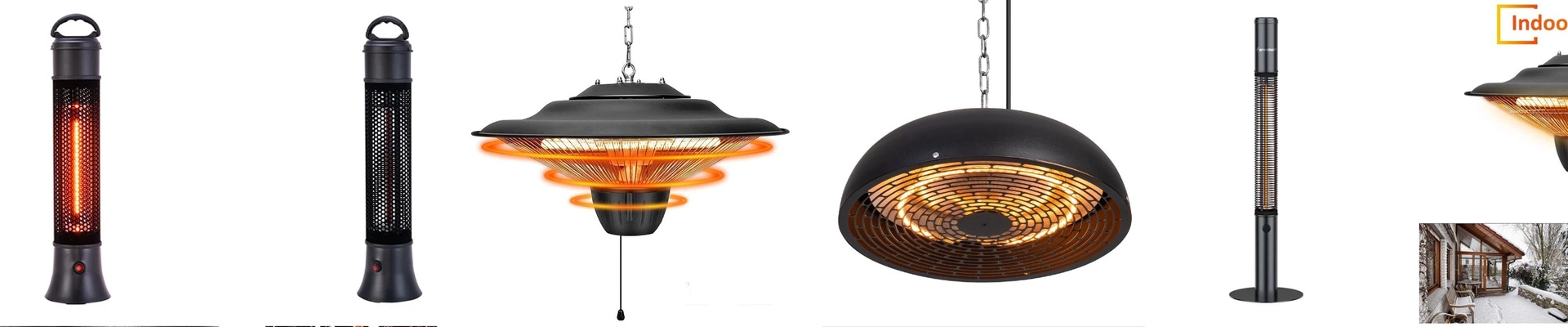

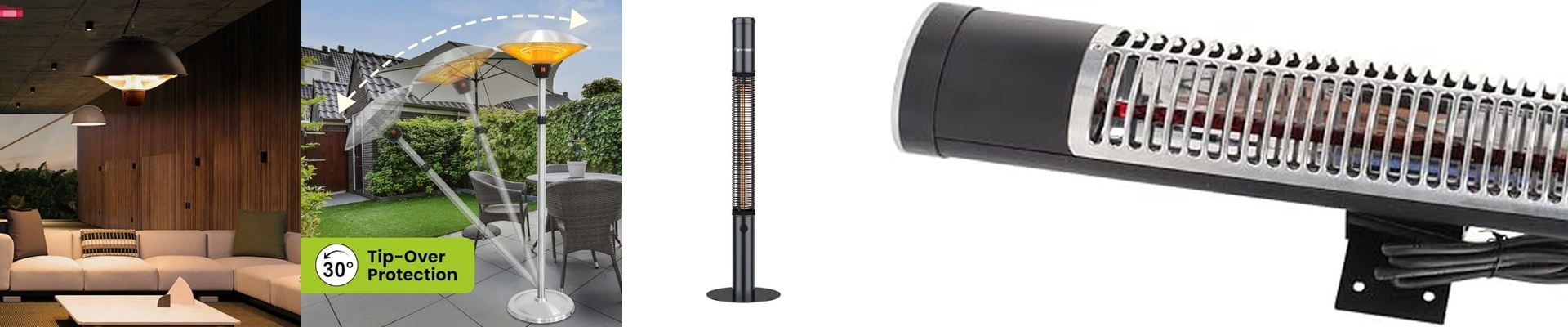
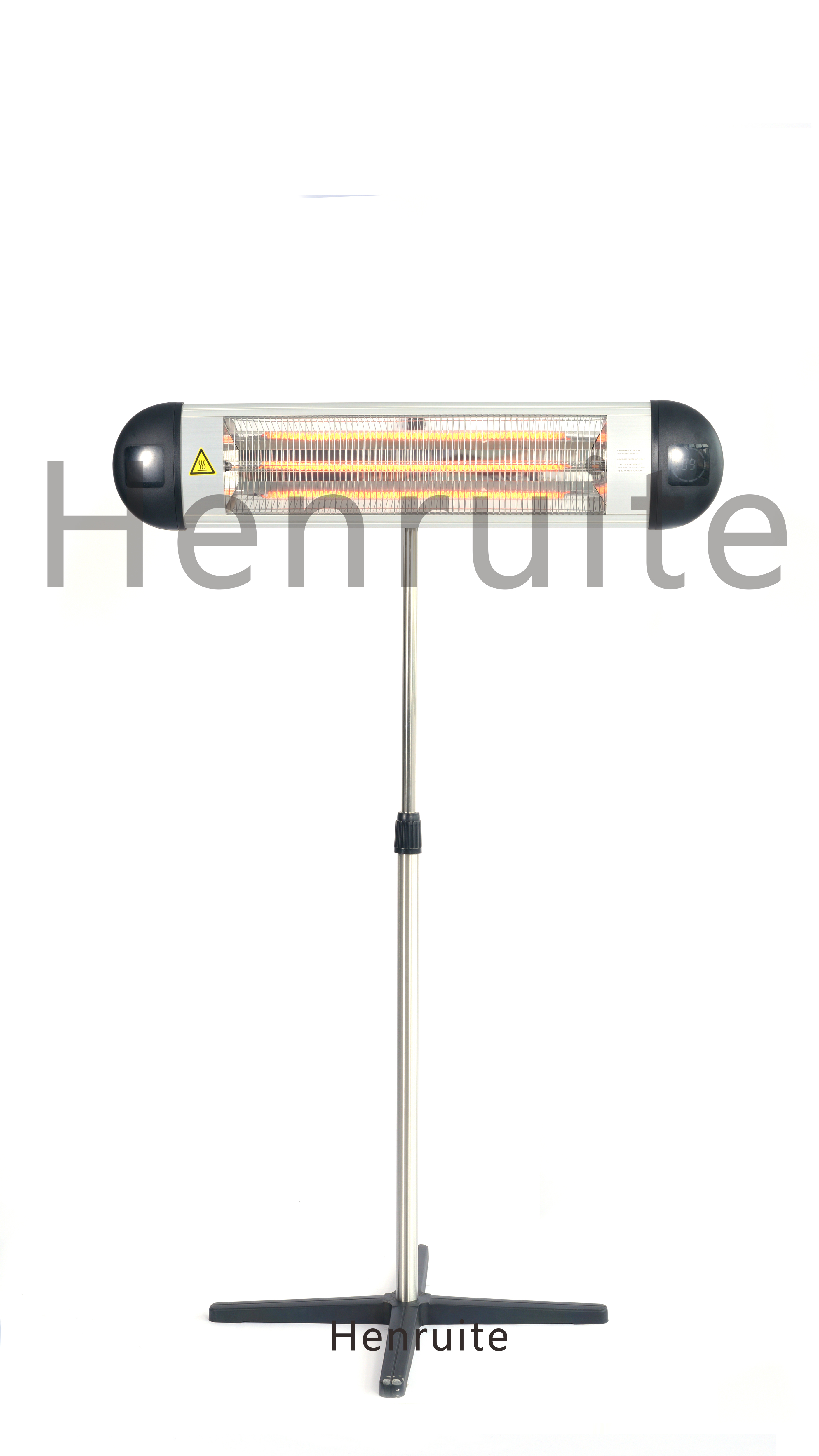
Why you should ditch those old bathroom lamp warmers for infrared
Ever notice how those old-school bathroom heat lamps always seem to die right when you need them? It’s usually because they aren’t built for actual bathrooms. They’re basically just lightbulbs that get hot, and in a room full of steam, that’s a recipe for disaster. Moisture creeps in, things short out, and suddenly your “warmer” is just a dead piece of glass. That’s why we’re moving toward high-IP infrared heaters. They actually handle the humidity without breaking a sweat.
The deal with IP ratings (without the boring part)
If you’re putting electronics in a room where you’re literally spraying water, you need a seal. Most cheap warmers have a basic shell, but a proper infrared unit uses sealed quartz tubes and a housing rated IP44 or higher. We use silicone gaskets and sealed cables so water can’t sneak into the electrical terminals. It stops that scary “arc-over” spark you get when condensation builds up on the wiring of a cheap fixture. It’s just safer.
Why infrared actually feels better
Here is the thing about traditional heaters: they try to warm up the air. But the second you open the bathroom door to leave, all that warm air vanishes. Infrared is different. It doesn’t care about the air. It sends out waves that hit your skin and the floor, turning into heat the moment they touch you. It’s like stepping into a patch of sunlight on a cold day. You feel warmimmediately. No more waiting ten minutes for the room to stop feeling like a fridge.
A few things to watch out for
These units pack a punch, so you can’t just slap them anywhere. First, watch your ceiling height. If you mount a high-wattage panel too low, it can get too hot for the person standing right under it. We always suggest leaving a bit of breathing room so you don’t scorch yourself. And a heads-up on your electrics: infrared elements pull a lot of power the moment they kick in. If your house has really old wiring, you might trip your breaker. It’s worth double-checking your circuit before you install them so you aren’t left in the dark mid-shower.