
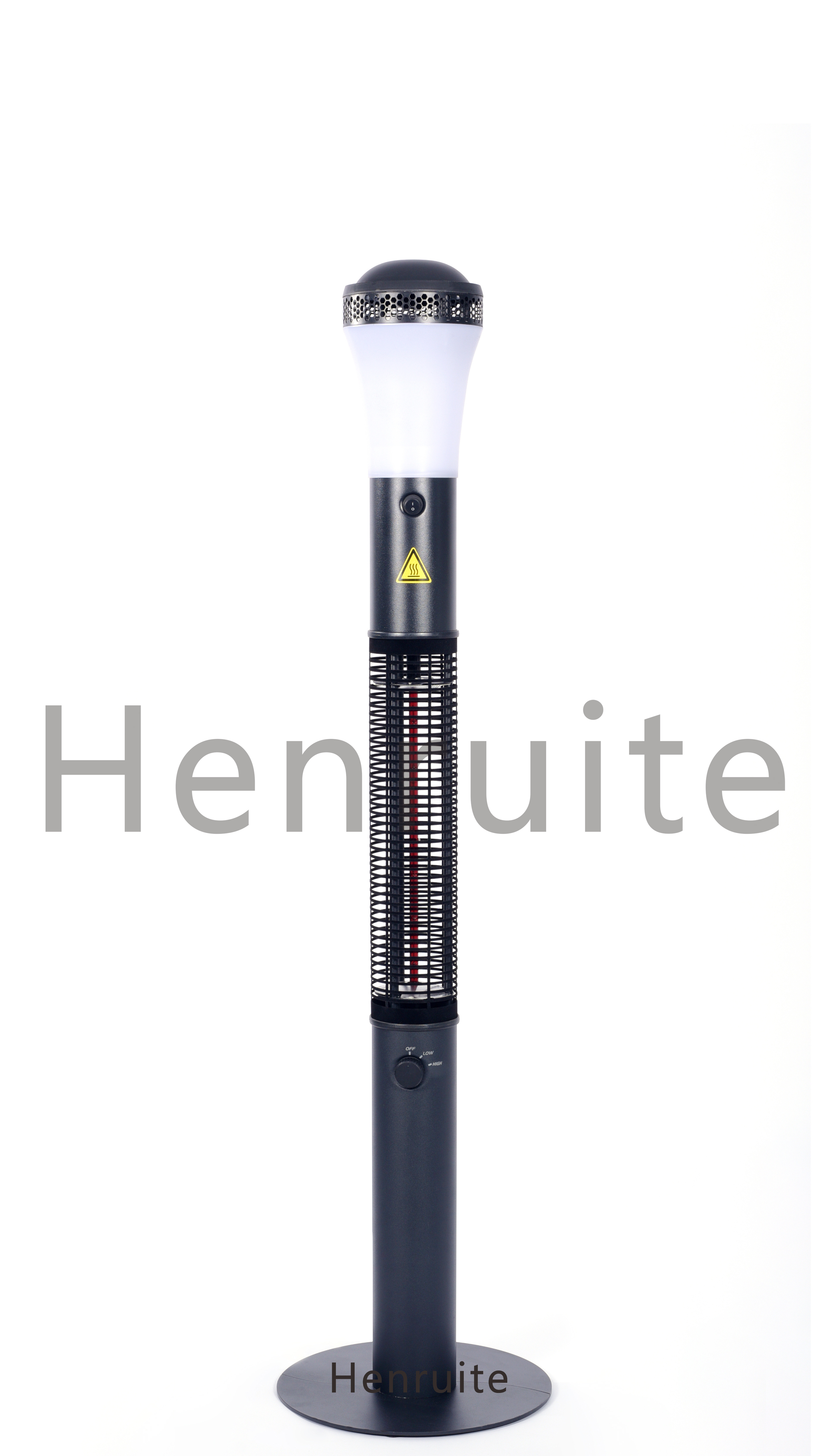
Why IPX5 is the new normal for bathroom heaters
Let’s talk bathroom heat. The old-school lamp-style heaters? They’re fading fast. In their place, we’re seeing IPX5-rated infrared heaters take over. And honestly, it makes total sense. Traditional units have exposed elements that just can’t handle a direct spray. IPX5, on the other hand, means the heater can take a jet of water—like from a showerhead—and keep working. No shorting. No drama. This isn’t about looks. It’s about building something that can live in a wet, humid room and still come through for you, day after day.
The power behind the protection
An IPX5 infrared heater is sealed tight. Inside, you’ve got a quartz envelope holding a high-resistance filament. That setup heats up fast and packs a lot of warmth into a small space. The sealing is what keeps water out of the electrical parts and the tube itself. It’s not optional—it’s what makes the unit compliant and dependable. But here’s the catch: a sealed, high-power heater creates a lot of heat. The outer housing has to manage that heat so the inside doesn’t cook. So the IPX5 rating isn’t just about electronics. It’s tied to the build quality, all the way down to how the unit sheds heat.
Quartz, seals, and the stuff that lasts
The quartz envelope is the heartbeat of the system. It handles high temps with ease and lets infrared warmth pass through cleanly. Inside, a halogen gas fill helps keep the filament healthy and the output steady. Then there are the connectors. These aren’t your average household fittings. They’re built for high current and a watertight seal. The whole assembly is meant to be a drop-in replacement that can take a beating.
Real-world install: simple, but not sloppy
In a modern bathroom, you want heat the moment you need it—and you want it to survive the moisture. IPX5 gives installers confidence that the unit will hold up over time. Install is straightforward, but the wiring matters. Match the voltage and wattage to the circuit. A high-wattage heater throws off serious warmth, but it also pulls a lot of current. That means the circuit protection and wire size have to be right. Do the electrical work properly, and the heater will run for years. Cut corners, and you’re just asking for early failure. That’s why IPX5 infrared heaters are becoming the standard. They’re built for the bathroom environment, they warm you up instantly, and they stick around—quiet, steady, and reliable.