Why Batch Stability Demands Precision Infrared
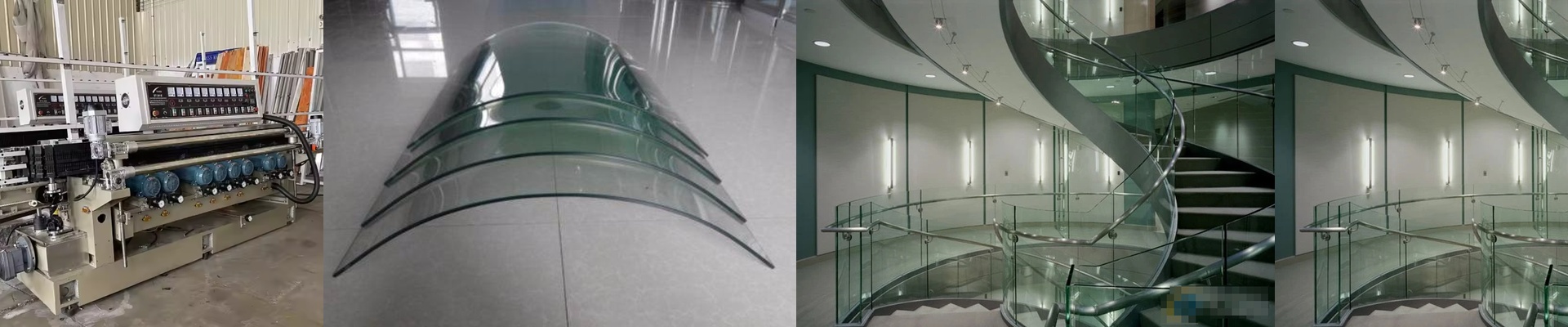
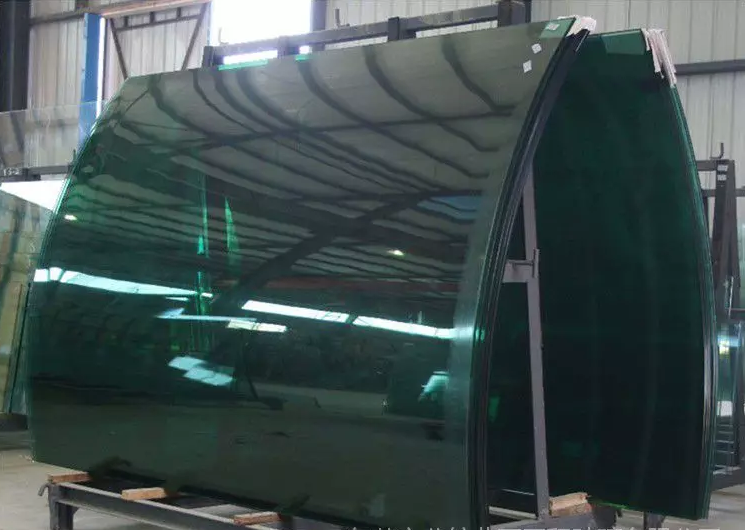
Here’s the thing about cutting safety glass: temperature uniformity is everything. When you’re running a batch line, that annealing curve isn’t something you can mess around with. Even a 5°C swing across the conveyor can lead to warped glass, internal stress, or edges that crack. So we built our heaters around one idea: consistent heat, not just a lot of wattage. The heart of the system is a shortwave halogen infrared tube. It responds fast and holds tight control over the temperature. Set your profile once, and you can trust it to repeat—lamp after lamp, shift after shift.
Power, Voltage, and Geometry—Why It All Matters
We spec our standard setup at 400V, 2500W, with a 300mm active length. That’s not by accident. The 400V supply keeps power delivery stable, pulling lower line current, which cuts down on voltage drop over long runs. The 2500W packed into that 300mm tube gives you the heat density you need to hit the annealing point quickly, without overloading the zone. This combo shines in dense heating arrays. You get the intensity to soften glass evenly, but—and this is important—the lamp runs hot. So your fixture and cooling setup have to be up to the task, managing ambient heat and protecting nearby parts.
Halogen, Quartz, and the R7s Connector
Inside, the tube uses a halogen cycle in a quartz envelope. The quartz handles the heat and stays optically clear, which keeps infrared output steady. The halogen cycle helps the filament by redepositing evaporated tungsten, so the light—and the heat—stay consistent over time. In practice, that means less drift, so you’re not constantly tweaking your annealing profile. We finish it off with an R7s connector. It’s a reliable choice for high-temperature jobs, giving you solid contact retention and easy installation. And because it’s compact, it drops right in to most standard fixtures.
Uniform Heat for Uniform Glass—On the Shop Floor
What this all comes down to is repeatability. The infrared output is consistent, which means the glass heats evenly across the whole surface. Every sheet gets the same thermal history. That’s how you stop batch-to-batch quality from drifting during annealing. You get faster ramp-up, stable dwell control, and predictable cooling. The lamp is tough enough to handle the thermal cycling of a production line. But, like any high-intensity heater, it needs a system that can manage the heat. Get your shielding and airflow right, and you’ll see consistent glass quality with fewer rejects.