Stop Letting the Cold Kill Your Patio Profits
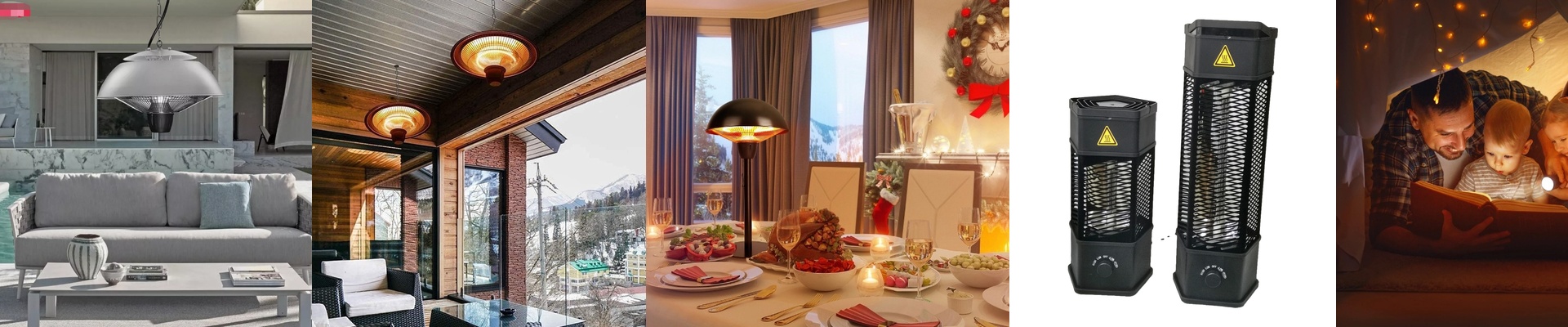
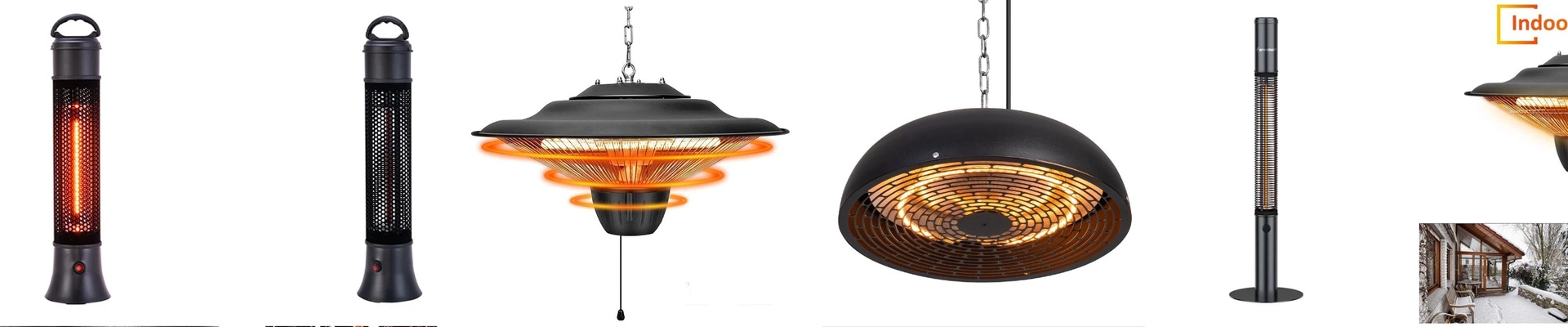
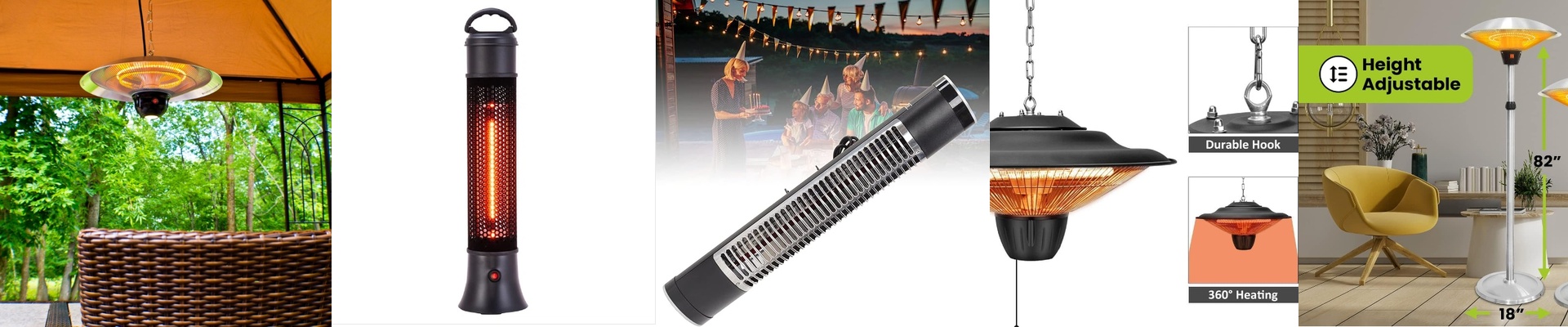
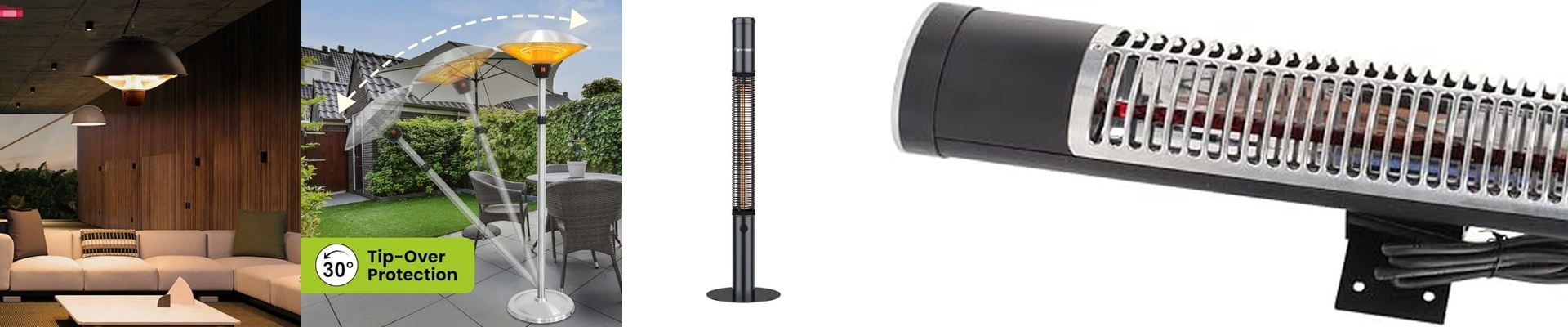
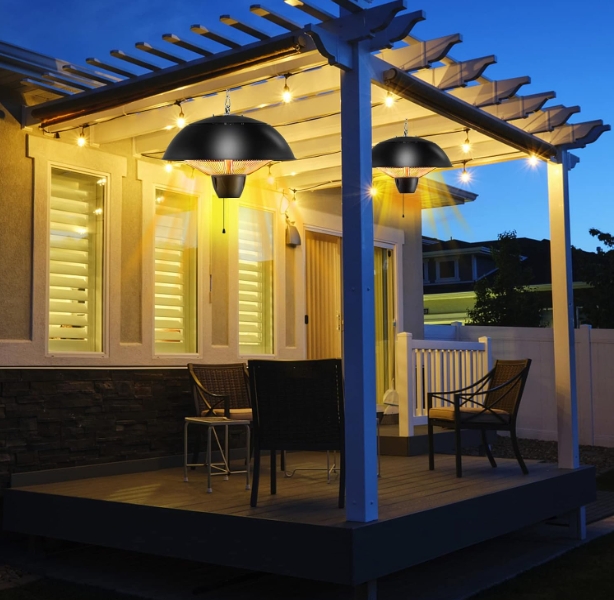
It’s the same story every winter. The temperature dips, and suddenly your patio is a ghost town. It sucks watching those empty tables when you know you could be making money. The problem is usually how we try to heat the outdoors. Most people think of those loud, forced-air blowers, but those just try to heat the wind—which is a losing battle. Infrared is different. It doesn’t care about the breeze because it warms the people and the furniture directly. It’s like sitting in the sun on a crisp October day. Getting the heat right When you’re picking out your units, you’ll see a lot of talk about “shortwave” or “medium-wave” elements. All that really means is that the heat hits your guests instantly. Then there’s the wattage. Think of this as the “reach” of the heater. If you want to mount them high up—so they aren’t in anyone’s way or blocking the view—you’ll need more power. But here is a heads-up: check your electrical panel first. There is nothing worse than a record-breaking Friday night rush only to have your breakers trip because you pushed the system too hard. Built for the elements These things are tanks. They’re designed to handle rain, snow, and that annoying salt air if you’re near the coast. We use powder-coated shells and sealed wiring so they don’t just rust away after one season. Depending on your layout, you can hang them from the ceiling or bolt them to the walls. Just make sure your electrician puts them on dedicated circuits. They pull a lot of juice, and you don’t want them sharing a line with your POS system. The bottom line Here is the simple truth: warm people spend more. When guests aren’t shivering, they actually look at the dessert menu. They order another round of drinks. They linger. By fixing the temperature, you basically add three or four months to your peak season. The cost of the gear pays for itself pretty quickly once you start filling those “dead” seats again. Just one tip—don’t leave gaps in your layout. If you have a cold spot in the middle of the patio, guests will complain or refuse to sit there. Map it out so the warmth is everywhere.