Why Your Bathroom Heater Needs “Explosion-Proof” Quartz
If you’ve ever put heating elements in a bathroom or a garden, you know the struggle. You’re fighting a constant battle against moisture and sudden temperature shifts. Here is the nightmare scenario: a single drop of cold water hits a quartz tube glowing at 600°C.**Snap.**The glass cracks, the filament burns out, and your heater is toast.
The Secret to Surviving the Shock
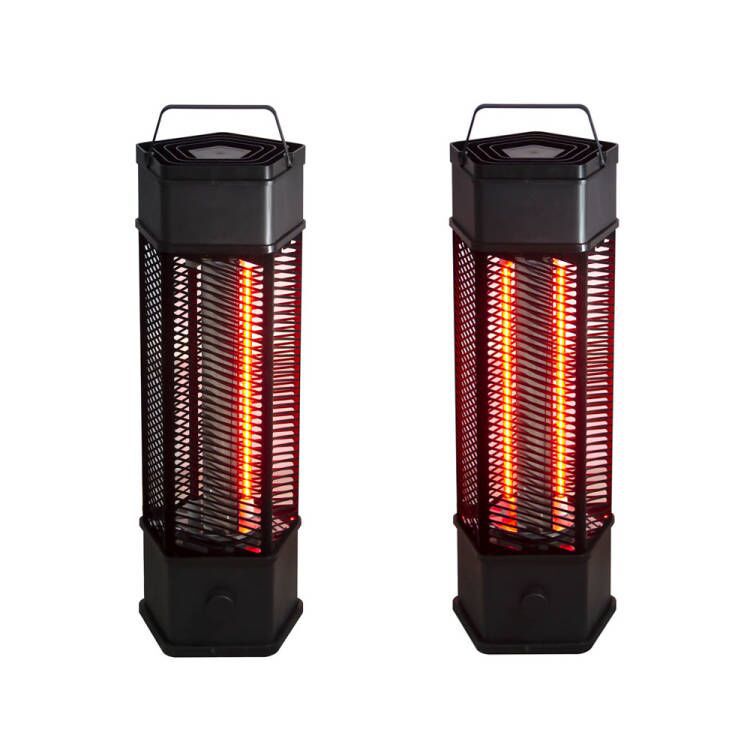
That’s why we use “explosion-proof” quartz. Now, don’t let the name scare you—we aren’t talking about bombs here. It’s actually about how the glass handles a sudden chill. These tubes are built to take a hit of cold water without shattering. In a shower, that’s your safety net. Because let’s be honest: the last thing you want is broken glass and live electricity splashing around your feet.
Keeping the Water Out
To make these things work in a wet zone, the housing has to be IP65 rated. In plain English? It’s dust-tight and can handle a blast of water without blinking. We make sure the wiring entries are sealed tight so humidity doesn’t sneak in and mess with the terminals. But there’s a catch. You have to be smart about the wattage. Sure, a high-wattage lamp gets you warm fast. But it also puts a lot of stress on the mounting bracket. If you cram too much power into a tiny box, you’ll end up melting your gaskets. It’s a balancing act.
Real-World Installation
When you’re wiring these up, don’t cut corners. Loose connections lead to hotspots. Those hotspots eat away at your insulation over time, and that’s where the real trouble starts. And a quick heads-up: these tubes are tough, but they aren’t bulletproof. A hard knock can still crack the quartz. The best move is to mount them in recessed housings. It keeps the glass tucked away and safe from accidental bumps, while still letting all that great heat reach you.