

IPX4 Protection: Built for the Messy Reality of Industrial Heat
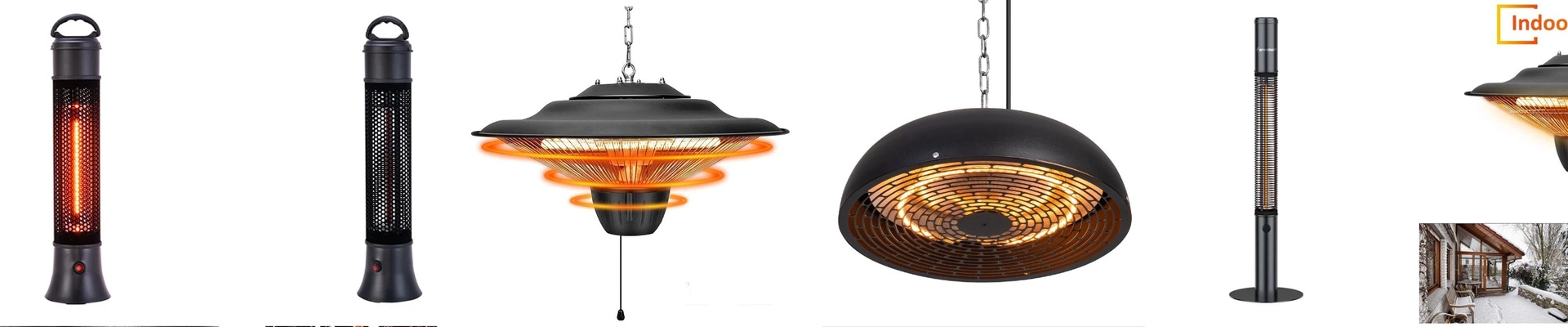
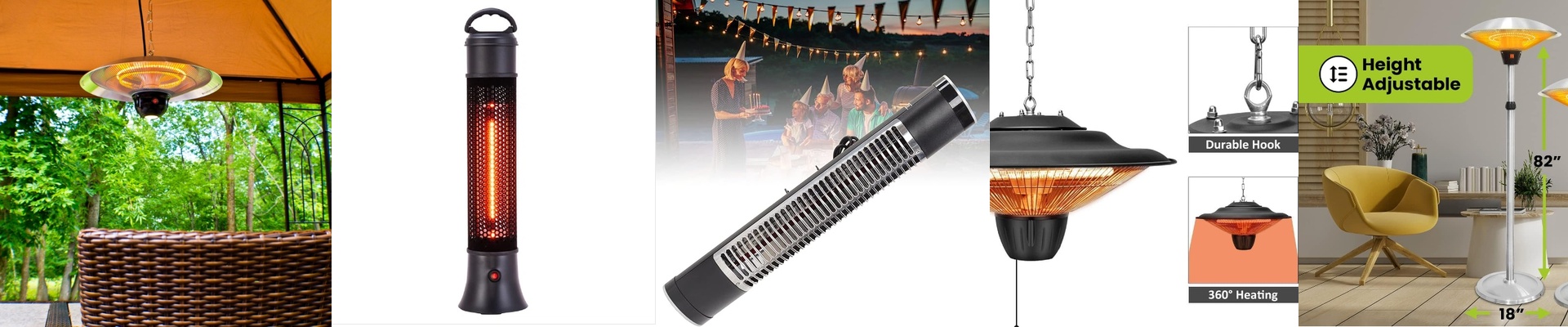
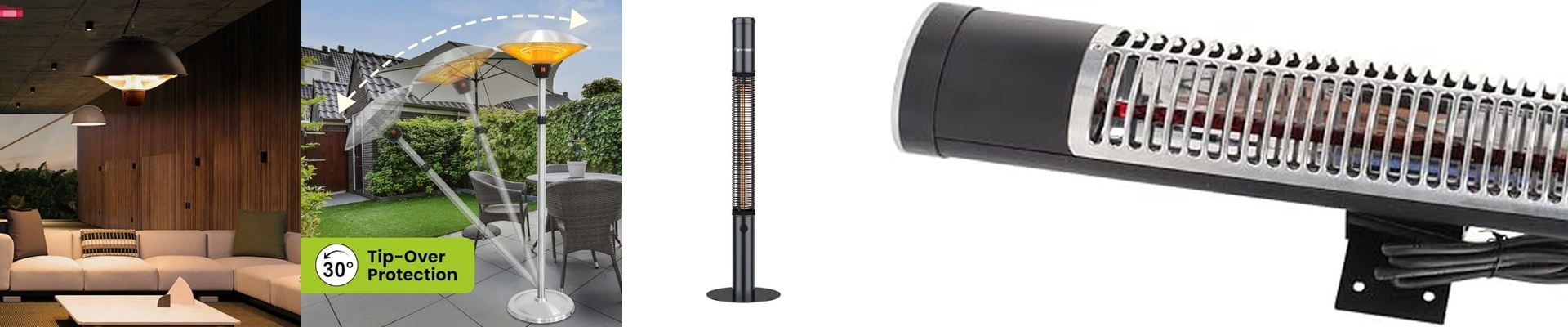
We designed these IPX4 splash-proof infrared heaters for plant floors where water spray, coolant mist, and oil splatter are just part of the workday. The goal is simple: keep water away from the electrical joint so it stays dry and steady. The tricky part? The wiring seal. Infrared heaters run hot, and that heat pushes on the insulation and the seal, again and again. If the seal can’t handle the heat cycling, you end up with brittle insulation, tracking, and eventually, a short.
Power, Voltage, and Shape: Getting the Heat Right
Infrared output comes down to watt density and geometry. We tune the lamp length, element pitch, and voltage so the element hits the right temperature without overworking the quartz. Going with higher voltage—like 400V—lets us run longer tubes while keeping the current within safe limits for cables and terminals. That means less current on the wiring, which cuts I²R losses and keeps the control gear cooler. But here’s the trade-off you can’t ignore: more wattage and higher temperature mean more heat load on the enclosure. If you choose a high-density tube, you’ve got to plan the cooling and airflow up front. Otherwise, rising ambient heat will age the seal and terminals way too fast.
Quartz, Coating, and Connectors: Where Reliability Lives
At the heart of the heater is the quartz tube and the halogen element inside. Quartz handles rapid temperature swings well, but the surface still needs protection. A coating on the outer tube helps manage thermal shock and reduces contamination, so output stays consistent over time. And the connector matters—because it carries the load and sets how the whole thing gets sealed. R7s and similar two-pin end caps give you a direct, rigid termination. Then the joint is sealed with a high-temperature, compression-molded process. This is OEM-grade work, not a quick field fix. A proper molded seal locks the wire in place, blocks moisture, and survives the tube’s constant expansion and contraction.
Reliability Engineers Actually Want: Set It and Forget It
On an industrial line, you need a heater that wires up clean and then stays out of your way. Our IPX4 design keeps water out of the critical joint, so you don’t get corrosion tracking along the terminals. The sealed termination handles vibration and thermal cycling without letting the insulation crack. You get heat output you can count on, stable electrical performance, and a component that can take the daily punishment of a running line. Just keep the balance in mind: higher watt density gives you fast, focused heat, but it also means more waste heat. Spec the cooling properly, and the heater will hold up.