Making Your Patio Actually Usable: Smart Infrared Heating
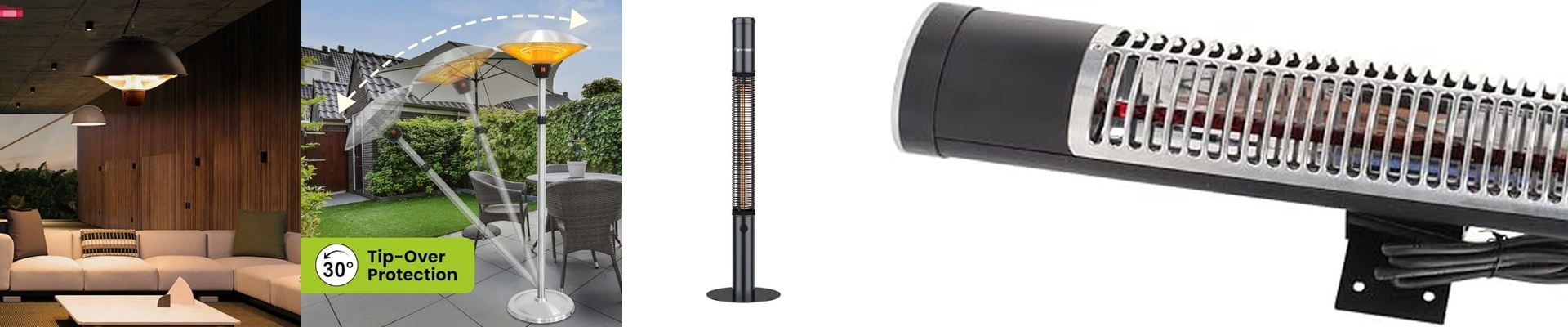
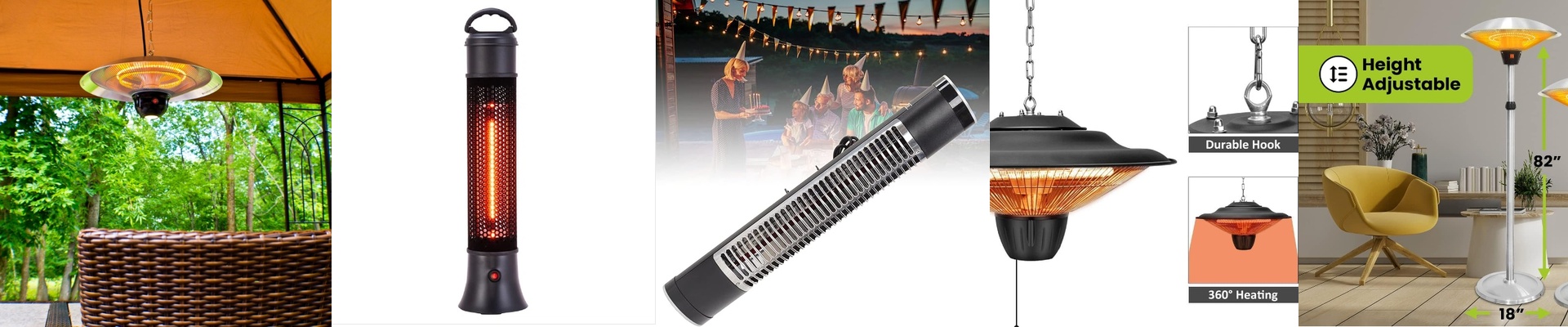
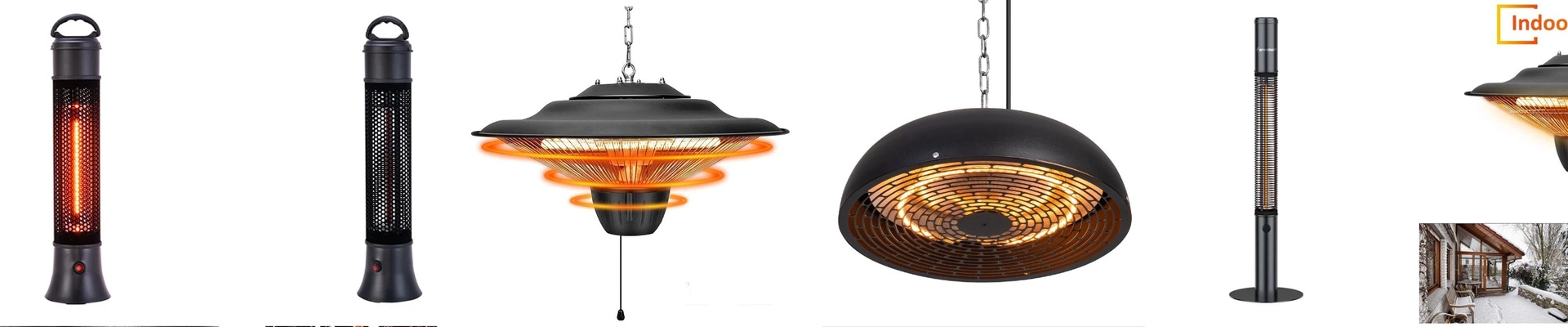
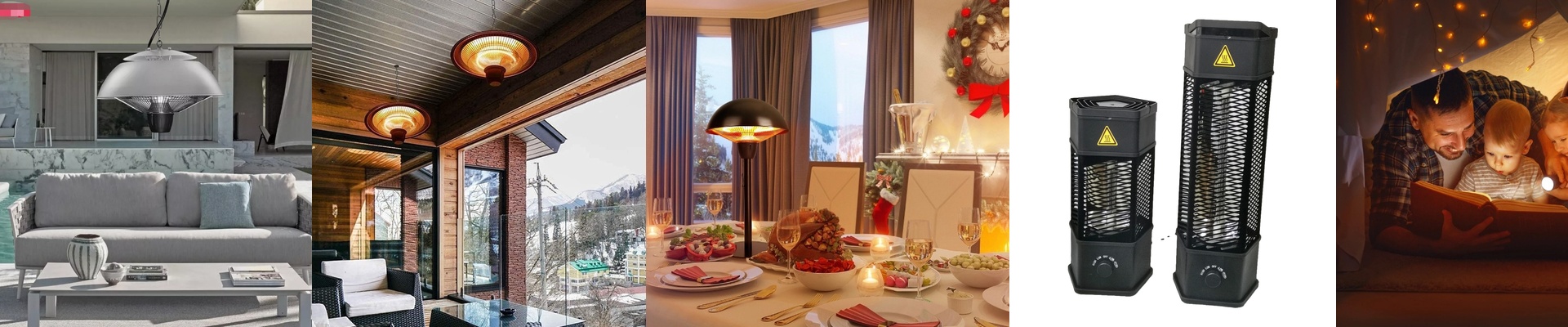
If you’ve ever tried to heat a backyard or a deck with a standard space heater, you know it’s a losing battle. The wind just steals the warmth the second it hits the air. That’s why we lean on infrared. Instead of trying to warm up the entire outdoors—which is basically impossible—infrared goes straight for the target. It heats you and your guests directly. It feels like standing in a patch of sunlight on a crisp October morning.
That “Instant” Warmth
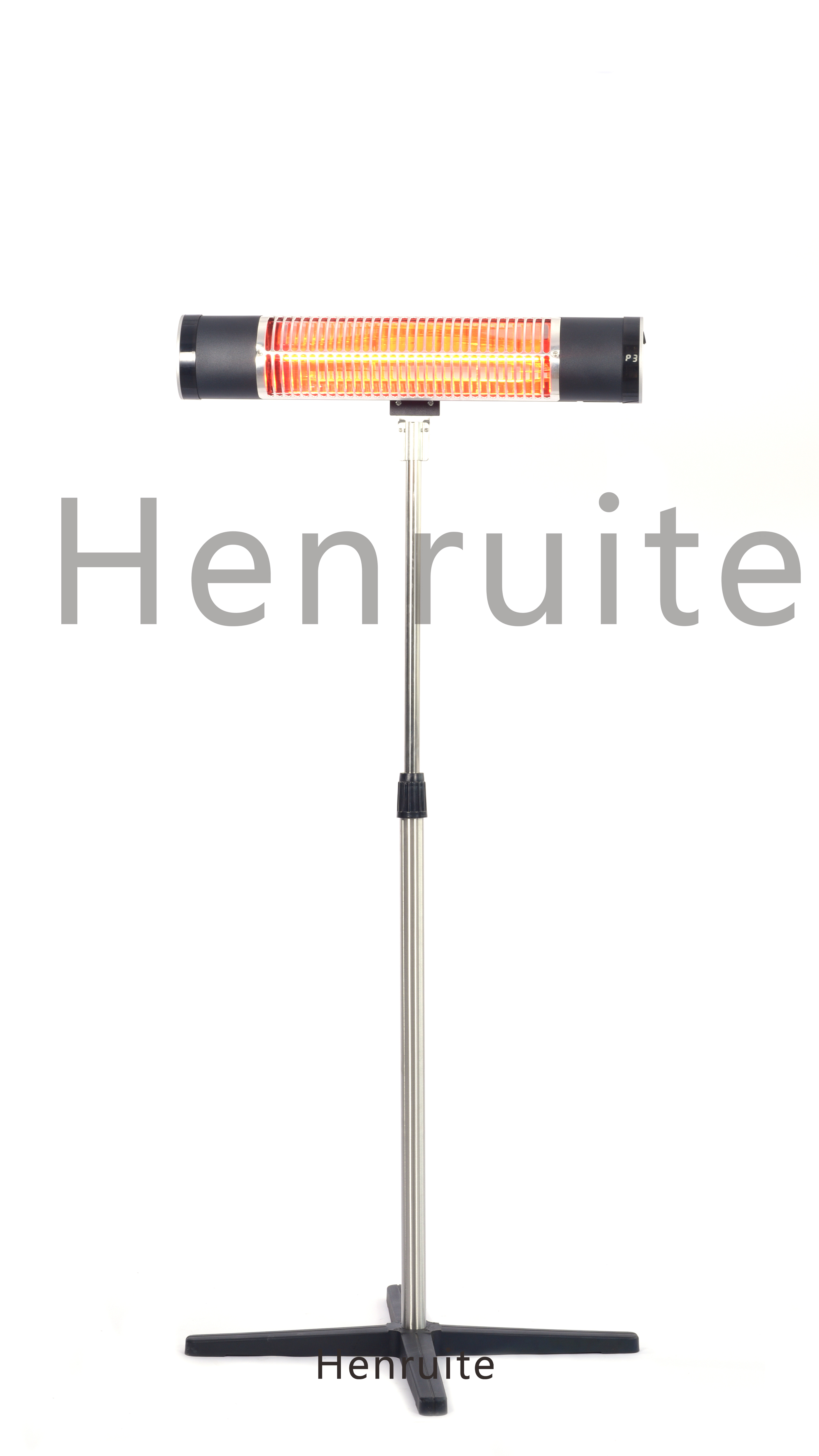
The best part? There’s no waiting around. Unlike those old oil radiators that take an hour to get going, an IR lamp hits full blast in seconds. You flip a switch, and boom—you’re warm. Since these live outside, we wrap them in waterproof housings so a bit of rain or snow won’t fry the electronics. To make them “smart,” we usually tuck in a Zigbee or Wi-Fi relay. When you tap a button on your phone, it tells a heavy-duty switch to close the circuit. The power hits the filament, and you’ve got heat immediately.
The Stuff People Get Wrong
Here is where things can get messy. You can’t just plug a 2000W heater into a cheap smart plug you bought at the drugstore. Those little plugs aren’t built for that kind of constant, heavy load. If you try it, you’re likely looking at a melted piece of plastic or a tripped breaker. We use heavy-duty contactors—basically industrial-strength switches—to keep things safe. Also, remember that infrared is “line-of-sight.” It’s like a flashlight, but with heat. If you put a pillar or a big potted plant between you and the heater, you’re going to be shivering. Placement is everything.
Setting It and Forgetting It
The real magic happens when you stop touching the controls entirely. Imagine this: you link your heater to a small temperature sensor on the porch. The moment the air dips below 15°C, the lamps kick in automatically. You don’t even have to get up from your chair or brave the cold to twist a dial. Just a quick tip—check your electrical panel before you go wild with the installation. Adding a few of these units can pull a lot of power, and the last thing you want is the lights going out right when the party gets started.