Getting the Wattage Right for Your Bathroom Heater
When you’re picking out infrared lamps for a bathroom—especially one with high ceilings—the instinct is usually to just grab the most powerful bulb on the shelf. But that’s actually a mistake. It’s more about the “feel” of the room. If you go too low, the heat just disappears into the ceiling before it ever reaches your skin. Go too high? You’re wasting electricity and creating those annoying hot spots that make you want to jump out of the shower.
Finding the Sweet Spot
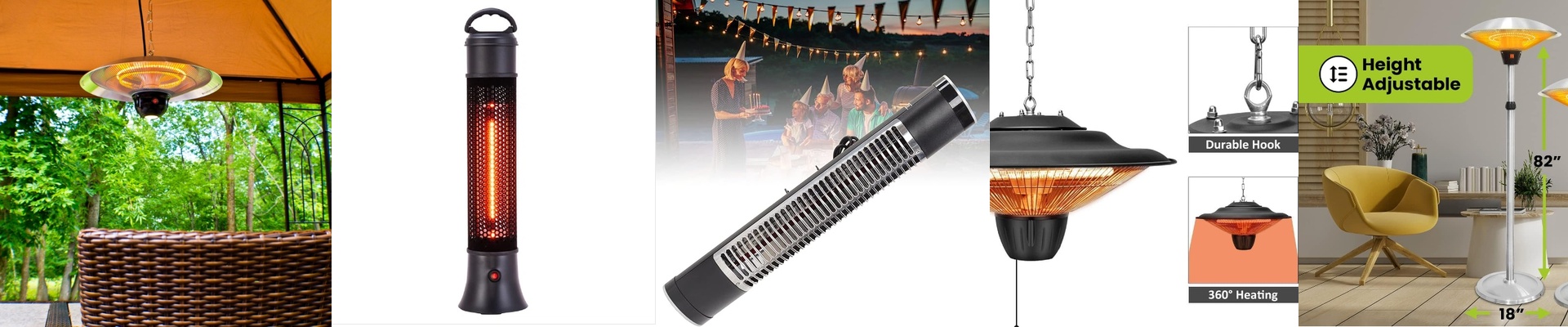
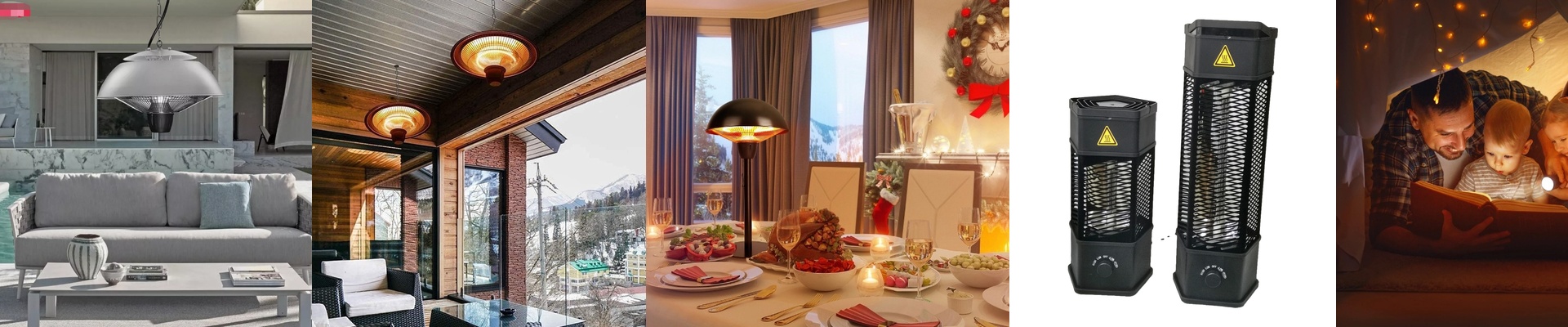
If you’ve got a small bathroom (under 5m²), something in the 250W to 400W range usually does the trick. It keeps you warm without turning the room into a sauna. But things change once you move into a big master bath or a room with ceilings over 3 meters. In those cases, you’ll want to jump up to 600W or 800W. Here’s why: heat loses its punch as it travels. The further the infrared waves have to go to reach the floor, the weaker they get. You need that extra muscle just to make sure you actually feel the warmth by the time it hits you.
The Trade-offs
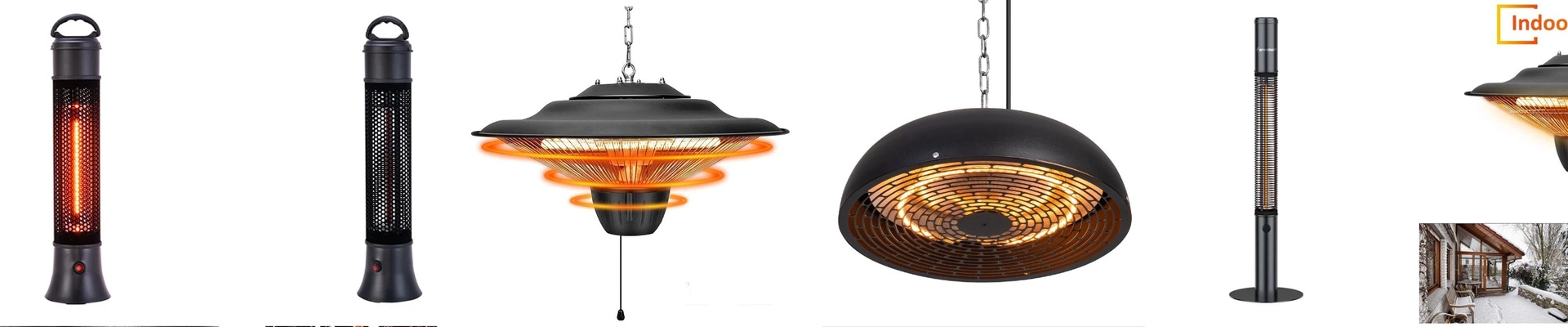
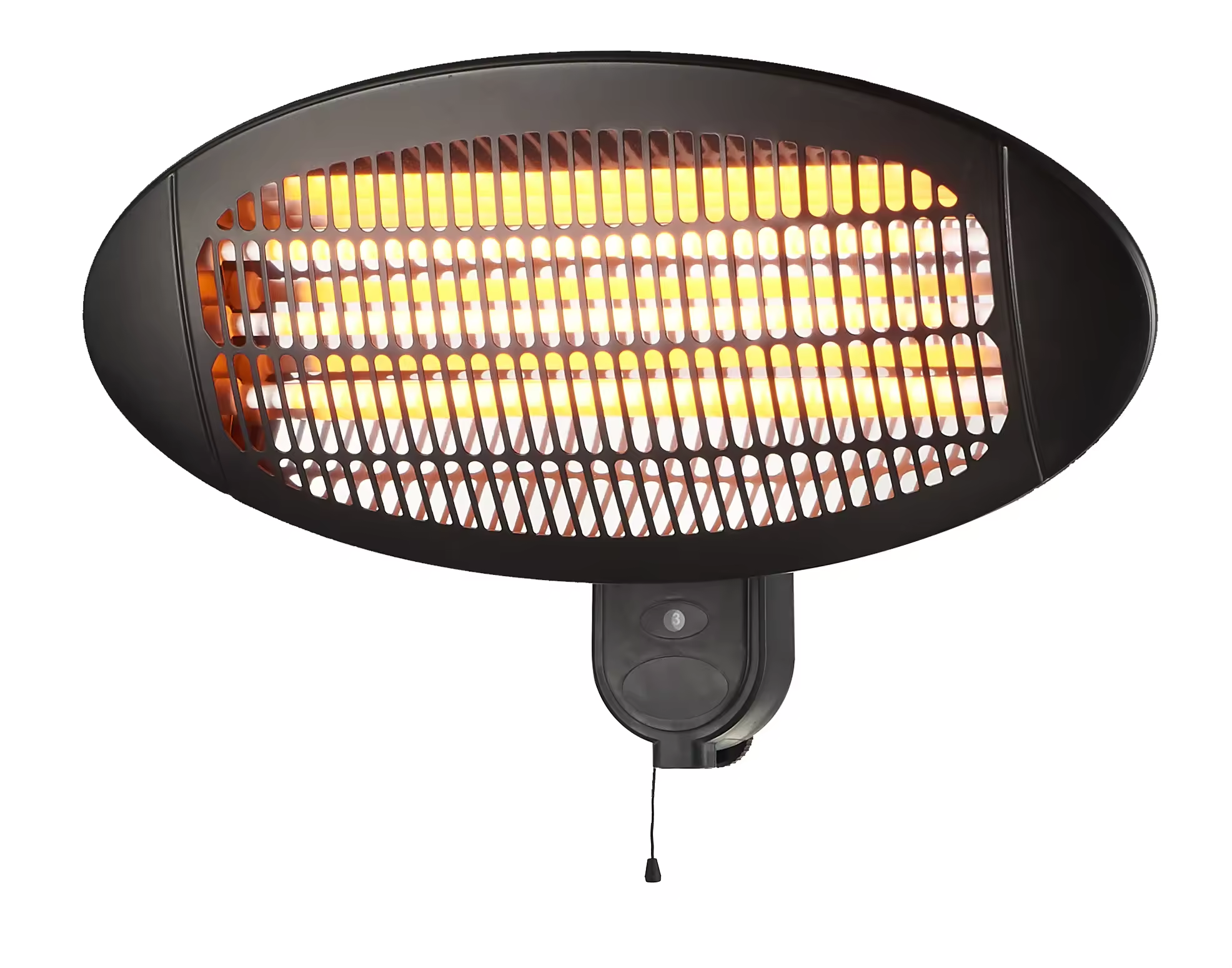
There is a catch, though. High-wattage lamps run hot. When you plug in an 800W quartz tube, that fixture housing is taking a real beating from all that concentrated heat. You’ve got to make sure the reflector is actually built for that level of output, otherwise, you’re looking at warped metal. I’ve seen people try to cram way too many high-power lamps into a tiny ceiling space. It’s a recipe for disaster. The filaments burn out way faster than they should. You’re much better off with a few correctly sized lamps than overloading your circuit and your fixtures.
What’s the Goal?
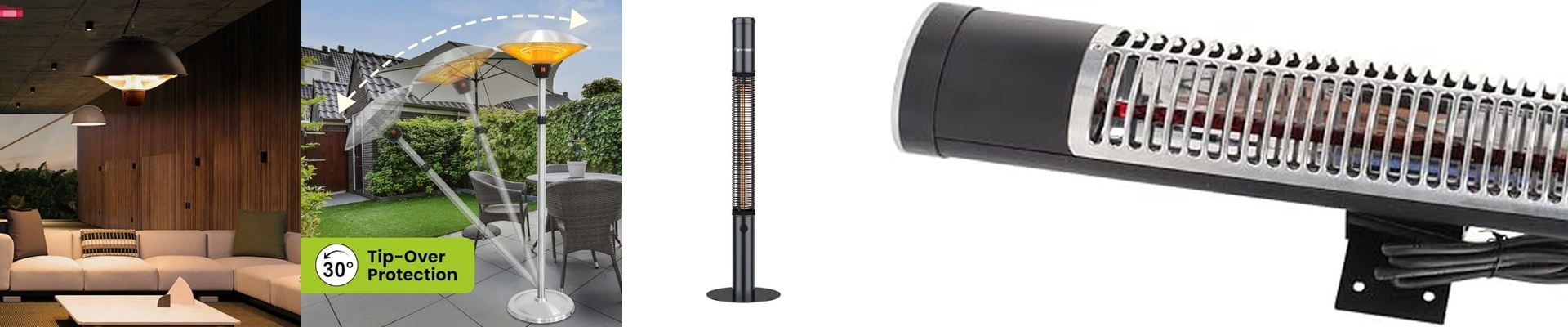
Think about how you actually want to use the room. If you just want to take the chill off a freezing winter morning, a few low-wattage lamps will work fine. But if you want that “instant heat” feeling the second you step inside, or you’re trying to dry the room out quickly, go for the high-intensity shortwave lamps. Just a heads-up: the more power you pump in, the more you need to keep the air moving. Otherwise, all that heat just sits stagnant at the ceiling while you’re still shivering below.