

Why we’d rather visit your shop than just ship you a part
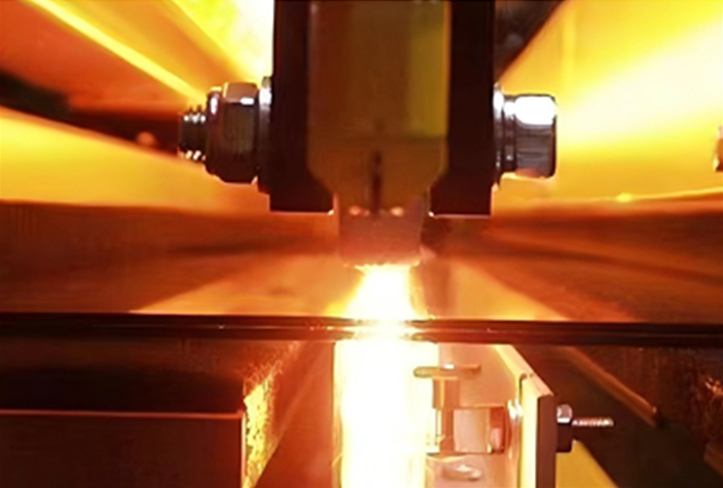
Buying a short wave quartz lamp by just looking at a part number is a bit of a gamble. We see it all the time. A buyer finds a lamp with the right wattage and the right length, hits “order,” and installs it. But the process still fails. The weird part? The lamp is working perfectly. The real issue is usually the gap between the heat source and the part you’re trying to dry or cure. Here’s the thing about short wave infrared. It’s designed to punch through materials—like plastics or heavy coatings—instead of just scorching the surface. To make that happen, we use high-purity quartz that can handle some seriously intense internal heat. But wattage isn’t everything. If you cram a high-wattage tube into a tiny space, you’re creating a massive amount of heat density. If your fans aren’t moving enough air to cool things down, you’ll end up warping your housing or frying your connectors. It’s a mess. We also add halogen gas inside the tube. It stops the filament from evaporating too quickly, which keeps the light steady and makes the lamp last longer. Then there are the connectors—the R7s or Sk15 types. Some people just see them as “plugs,” but they’re actually where most things go wrong. A loose fit can cause an arc, and that’ll kill your lamp in a heartbeat. And then there’s the classic trade-off: power versus lifespan. Sure, you can push more voltage to get more heat, but you’re basically trading the life of the filament for that extra punch. This is why our engineers prefer to actually come on-site. We want to see your thermal profile in the real world. We check the distance, the angle of the reflector, and how long your cycles are running. We aren’t just trying to sell you a replacement tube. We want to make sure the energy actually hits the target without cooking your machinery in the process.