


Why We Preheat Glass Before Cutting
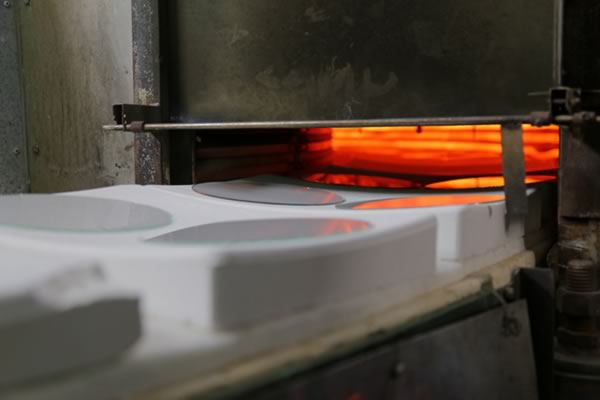
Cutting cold glass is basically a gamble. When you run a diamond or carbide wheel across a cold sheet, you’re creating a zone of intense tension. If the glass is too chilly, that crack doesn’t always behave. It wanders. It jumps. And that’s how you end up with those annoying chips or corner breakouts that ruin a perfectly good piece. To stop that, we use infrared (IR) lamps to warm up the surface right before the cutting head makes contact. Making the glass “behave” Here is how it actually works: those IR lamps shoot short-wave radiation right into the surface of the glass. It doesn’t melt the glass, obviously, but it softens things up on a microscopic level. Think of it as lowering the resistance. When the glass is warm, it takes less energy to start a fracture, which means the crack follows the path you actually intended. You get a clean, crisp break. No jagged edges, no wasted material, and way fewer headaches. Getting the heat just right You can’t just throw any old heater on the line. We usually go with high-wattage quartz halogen lamps because they hit the right temperature almost instantly. But there’s a catch. You have to find the “sweet spot.” If the wattage is too low, the glass stays cold by the time it hits the cutter, and you’re back to square one with the chipping. But if you go overboard? You risk warping the glass or causing thermal shock. It’s all a balancing act between how much power the lamps put out and how fast your conveyor is moving. The messy reality of maintenance These lamps put out an incredible amount of heat in a small space. You can’t just plug them in and forget about them. First, you need proper ventilation in the housing, or things get too hot. Then there’s the dust. If your reflectors get dirty, your heat efficiency can tank by 20% or more. It’s a simple fix—just keep them clean—but it’s the kind of thing that gets overlooked until the quality starts to dip. And remember, these bulbs don’t last forever. They have a lifespan. The trick is to replace them on a schedule so you aren’t surprised by a sudden drop in cutting quality in the middle of a big run.