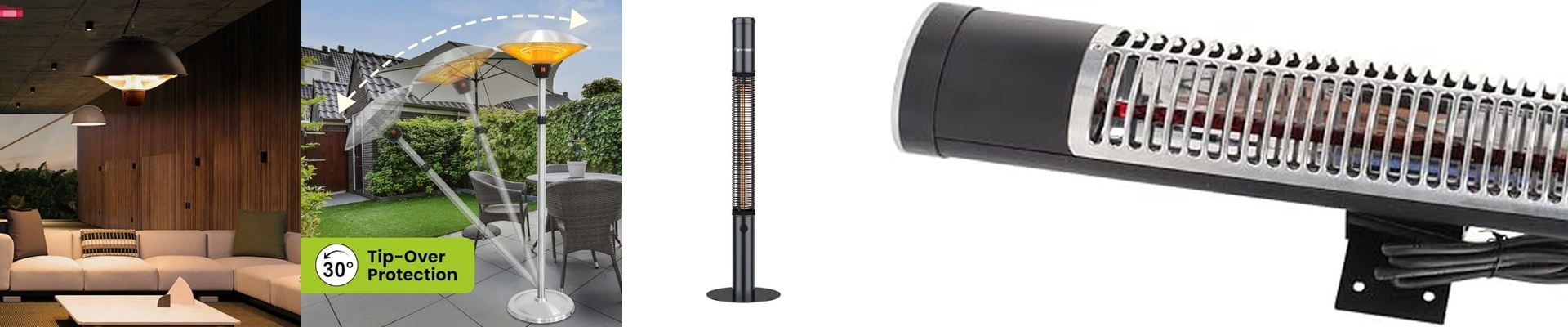


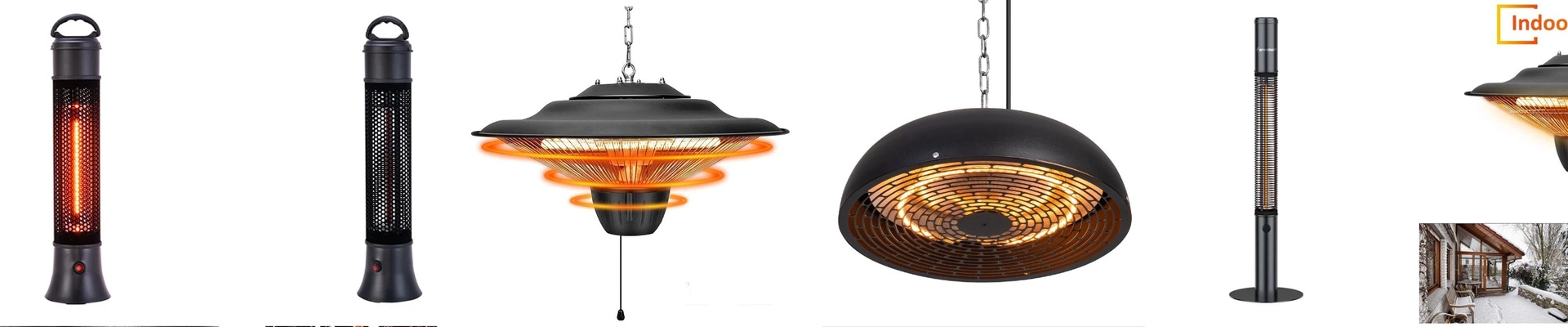
Sunrooms and lofts with lots of glass look great, but they’re brutally honest about heat. Warm air rises and shoots straight out through the panes, so the room stays chilly even when the rest of the house is fine. Convection heaters end up chasing that rising warmth, and they lose. An infrared room heater takes a different approach—working with the space instead of fighting it.
What’s actually going on, technically
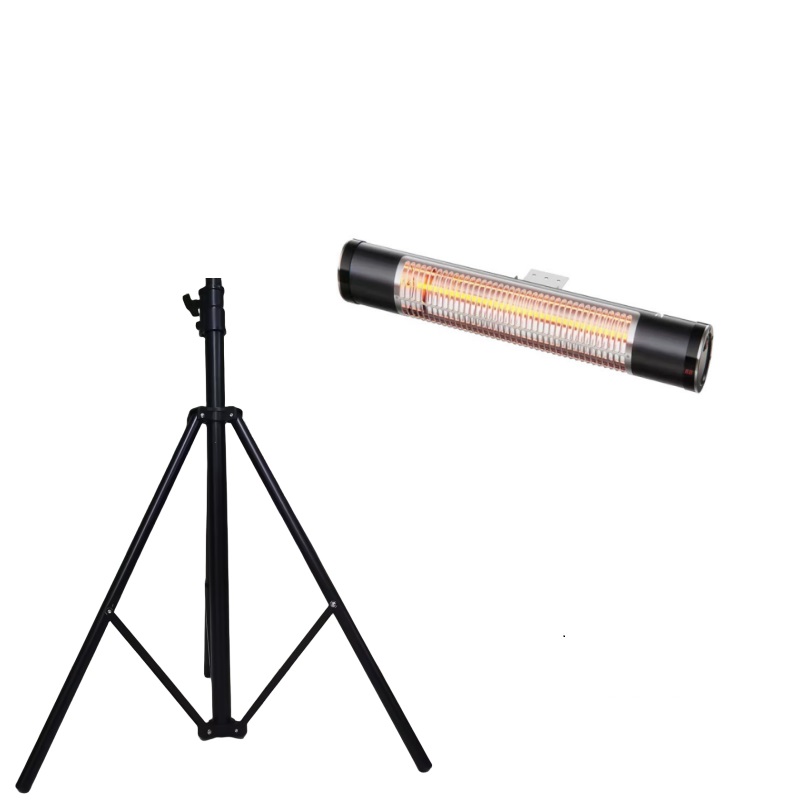
Infrared warmth is radiant heat, not moving air. It travels in a straight line and warms people and surfaces directly, the same way the sun warms your skin. We run a carbon fiber element inside a compact, wall-mounted profile. It gives you a focused, even glow with zero fan noise, and it hits full output fast—often within seconds of flipping the switch. A built-in thermostat holds your set temperature, and safety protections—tip-over protection and an overheat cutoff—keep things steady.
Why this makes sense in a glass-heavy room
In a loft sunroom with big glass, infrared heating focuses on what actually matters: your seating area, the floor, and the surfaces you touch. The heat gets absorbed where you feel it, so comfort shows up faster, even when the air still feels cool. Since you’re not wasting energy reheating air that keeps escaping, the electricity use stays sensible. The room feels stable—no constant swings between hot and cold—just a steady temperature you can rely on.
What you need to keep straight
For the best results, mount the unit on a wall so the infrared beam covers the main sitting area, and keep a clear gap from furniture and curtains. These are designed for indoor use and plug into a standard outlet; if your sunroom tends to get damp, pick a model with a suitable IP rating. The warmth is directional, so plan placement to avoid shadows. If you want the room to hold steady even better, pair it with a simple door seal.