
Keeping Your Glass from Shattering During Tempering
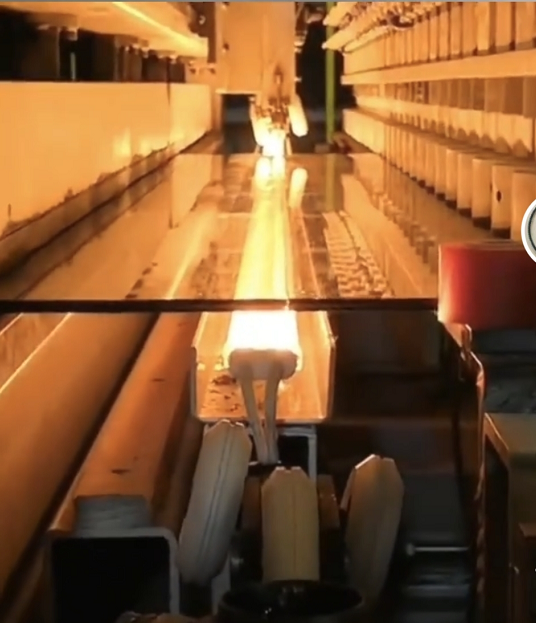
Working with glass is a balancing act. You’re moving from extreme heat to cooling, and if that transition is too abrupt, the glass just gives up. It cracks. Simple as that. To stop that from happening, we use short-wave infrared (IR) lamps. The secret here is how fast we can tweak the power.
Why Speed Matters
If you’ve ever used resistive heating elements, you know they’re sluggish. They hold onto heat long after you’ve flipped the switch. IR lamps are different. They react almost instantly. We build these systems so you can dial the power up or down in milliseconds. It’s a huge relief because it kills those annoying “hot spots” during tempering. By adjusting the wattage on the fly, you’re controlling exactly how much heat hits the glass. The result? The glass expands evenly, and you don’t end up with a pile of shards on your floor.
The Gear You Actually Need
To get that instant heat, you need some serious muscle. We spec these lamps for high wattage and specific voltages. Why high voltage? Because it lets us use longer tubes without the power dropping off at the ends of the filament. But here is the catch: your SCR power controllers have to keep up. If your controller is too slow, you’ll overshoot your temperature target. And when that happens, the glass cracks. We suggest using high-frequency switching. It keeps the heat profile steady and predictable.
The Trade-off
High heat density is great, but it comes with a price. These lamps are powerful, which means they put a massive load on your electrical system. You’ll also notice a lot of heat soaking back into the lamp housing. It gets hot. Really hot. If you don’t get your cooling fans and heat sinks right, you’re going to fry your sockets and melt your wiring. Don’t skimp on the ventilation. It’s the only thing keeping your lamps from burning out way before they should.