
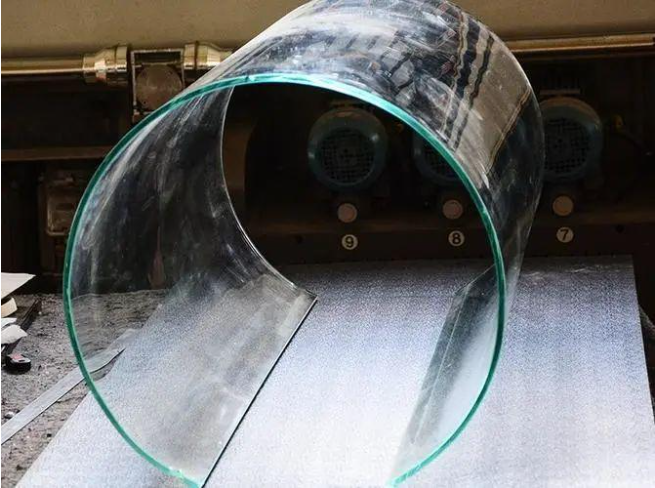
Getting Glass Bending Right: It’s All About the Heat
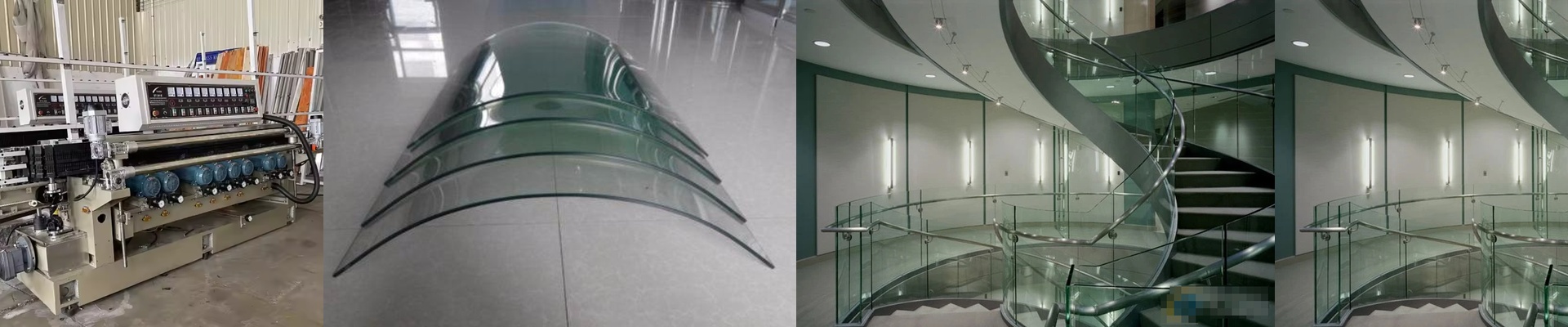
Bending glass is a bit of a tightrope walk. You’re balancing heat density and timing, and there isn’t much room for error. The window between “too cold to move” and “perfectly malleable” happens in a flash. If you hit the glass too hard or the heat is patchy, you’ll get thermal shock. Then you’ve got a crack, and you’ve got a piece of scrap. To stop that from happening, we pair shortwave infrared lamps with high-reflectivity housings. It’s the best way to keep that heat flux under control.
Why the Reflector and Power Control Actually Matter
Think of the reflector as more than just a mirror. It’s what actually pushes the IR energy exactly where it needs to go. If your reflector isn’t dialed in, you’re basically paying to heat up your machine frame instead of your product. That’s a lot of wasted wattage. By tightening that beam, you get way more heat exactly where the bend happens. But heat alone isn’t enough. You need to be able to kill the power the second the glass hits the target temp, or you’re risking a shatter. That’s why we use SCR controllers. They let you modulate the lamp output in real-time, so you can ramp up fast and shut it down the millisecond it’s ready.
The Trade-offs When You Crank Up the Power
Shortwave lamps are great because they’re instant. You don’t have to sit around waiting for them to warm up like you do with medium-wave elements. The catch? They runhot. If you’re pushing 2kW or 4kW per tube to keep your cycle times low, your housing is going to feel the burn. You’ve got to make sure your cooling fans can actually handle that ambient heat. If they can’t, your reflector might warp, and once you lose your focal point, you’re back to square one.
Real-World Tips for the Shop Floor
When you’re wiring these things up, double-check your connectors. Make sure they’re rated for the current you’re pulling. A loose connection at the lamp base will arc, and before you know it, you’ve burned out the socket. I also suggest a drop-in replacement strategy for your lamps. It keeps your downtime to a minimum when it’s time for a swap. And if you’re still seeing cracks in the glass? Try dialing back that initial power ramp or tweaking the reflector angle to soften the blow. Small adjustments usually fix the big headaches.