Stop the Chip-out: Why We Preheat Glass with Infrared
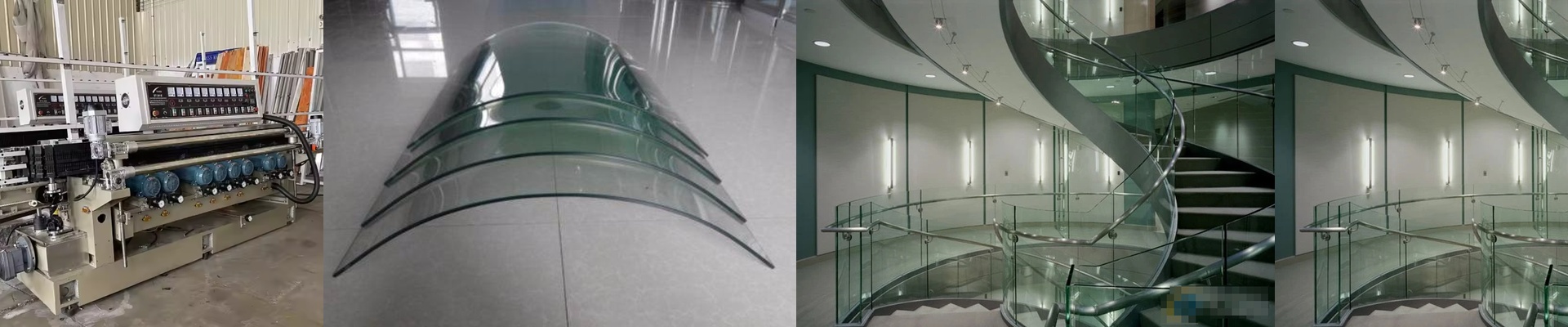
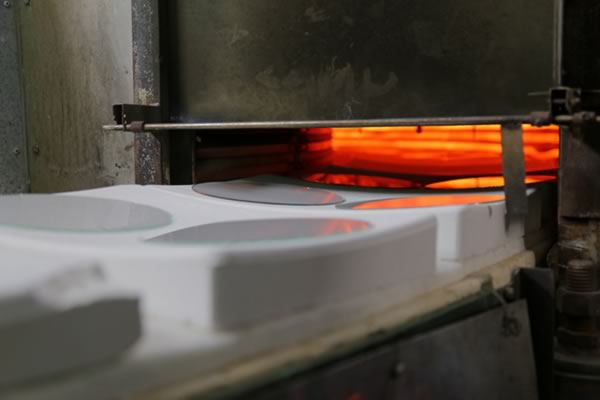
Glass is stubborn. When you run a cutting wheel across it, you’re basically creating a trail of tiny micro-fractures. If that glass is cold, those fractures can go wild. They jump and snap in directions you didn’t intend, leaving you with those annoying jagged edges—what we call “chip-out.” To fix this, we use short-wave infrared (IR) lamps to warm up the surface right before the cut. It completely changes how the glass behaves. Making the glass “relaxed” Think of it as soothing the material. The IR waves dive into the surface and get the molecules moving. We aren’t trying to melt anything here, but we are stripping away that internal tension. When the surface is warm, the cutting tool doesn’t have to fight the glass so hard. The crack stays on track. Instead of a series of tiny explosions along your cut line, you get a clean, smooth edge. It’s a satisfying difference. Why short-wave IR? We use short-wave lamps because they’re fast. Like, really fast. If your glass is gliding down a conveyor, you can’t wait around for a slow heating element to warm up. You need heat hitting the glass the second it arrives. We usually set these up in a bank to make sure the heat is even across the whole sheet. Because if you have a cold spot? You’re going to have a chip-out right in that spot. Simple as that. The balancing act Now, you can’t just crank the power to max and walk away. If you push too much wattage or slow the line down too much, you’ll hit a point of thermal shock. That’s when the whole sheet just snaps. It’s a bit of a dance—you have to balance the lamp power with how fast the glass is moving and how thick the sheet is. Plus, you’ve got to think about the heat buildup. Those lamps get hot. If your cooling system isn’t up to the task, you’ll start warping your housings or—even worse—frying your wiring. It takes a little tweaking to get it right, but once you do, the results speak for themselves.