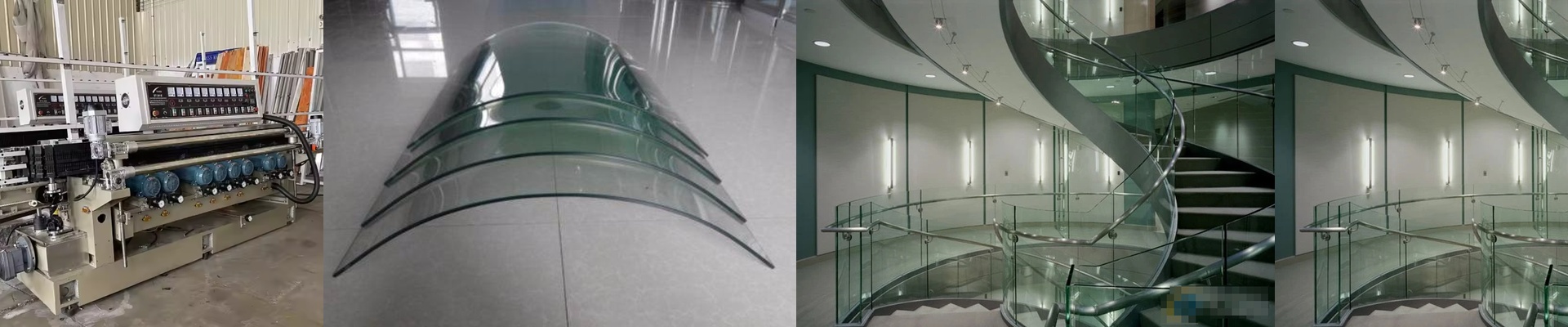

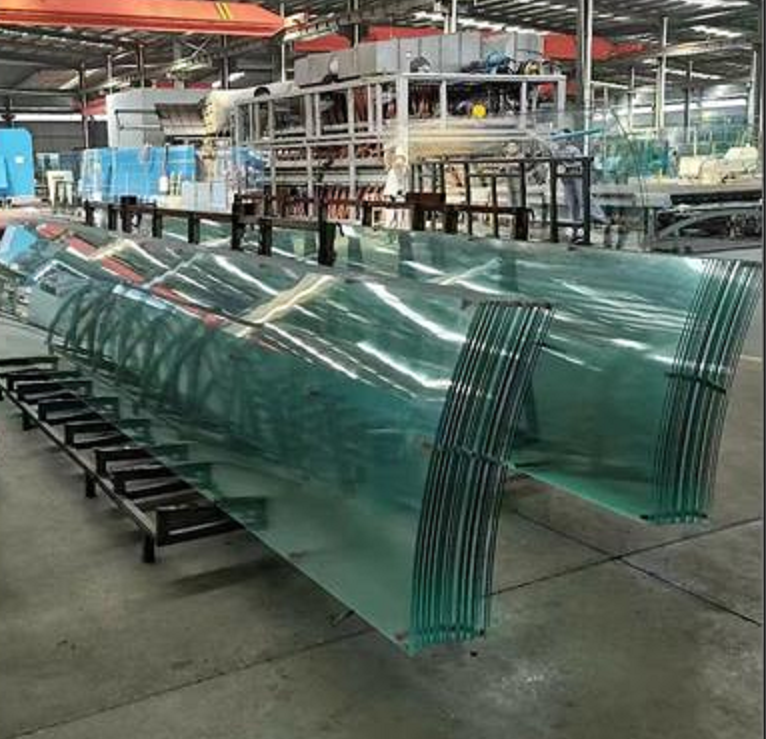
Anyone can sell you a replacement heater. That’s the easy part. The hard part? Making sure your glass actually bends without warping or snapping into a million pieces. Most shops just treat it like a lightbulb change—they swap a burnt-out lamp for another one with the same wattage and call it a day. We don’t work like that. We want to know why that lamp died in the first place and if your heat settings are actually playing nice with the thickness of your glass. The nitty-gritty of the heat To bend glass, you need a very specific temperature gradient. You have to hit that softening point perfectly without scorching the surface. We lean on quartz-halogen tech because it packs a ton of heat into a tiny space. But it’s not just about “hot or cold.” It’s about the spectrum. Shortwave IR punches through the glass quickly, while medium-wave is what you need to really soak the heat into those thicker slabs. And a quick heads-up: if you’re running high-wattage tubes, your reflectors have to be spotless. Seriously. Even a 10% drop in efficiency can create cold spots, and that’s usually when the glass cracks right in the middle of a bend. Why we actually show up in person A datasheet is just a piece of paper. It doesn’t tell us how your machine is behaving on a Tuesday afternoon in a humid shop. That’s why we come on-site. We map out where the heat is actually going and check for voltage drops in those long cable runs that might be starving your elements. More often than not, a “standard” part isn’t the answer. You might need a coated quartz tube to shift the heat, or maybe a heavy-duty connector to stop the terminals from oxidizing and frying under the pressure. The trade-off Here’s the deal: high-intensity heaters will slash your cycle times. You’ll get more done, faster. But there’s a catch. Your lamps won’t last as long, and your cooling fans are going to work overtime. If you want that speed, you just have to be okay with changing your lamps more often. We’ll help you find that sweet spot where you’re moving fast, but you aren’t spending all your time on maintenance.