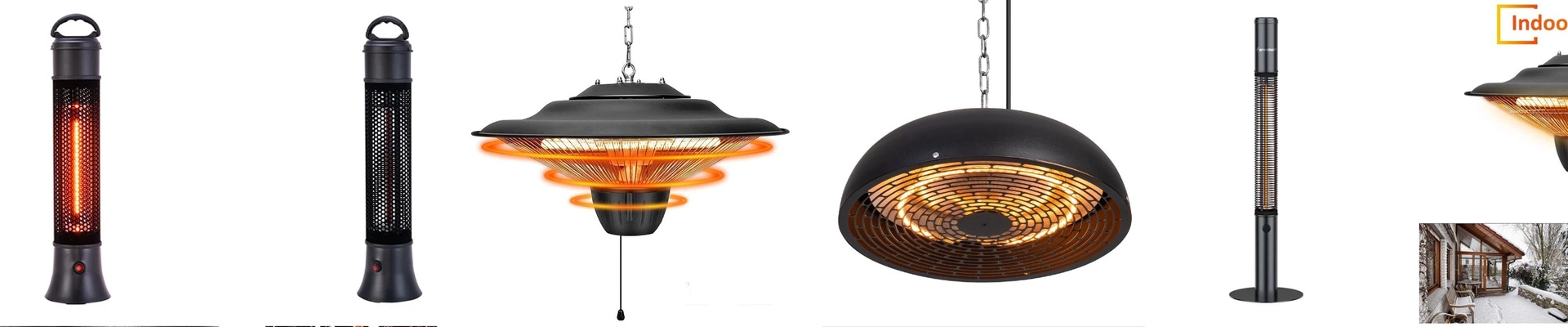
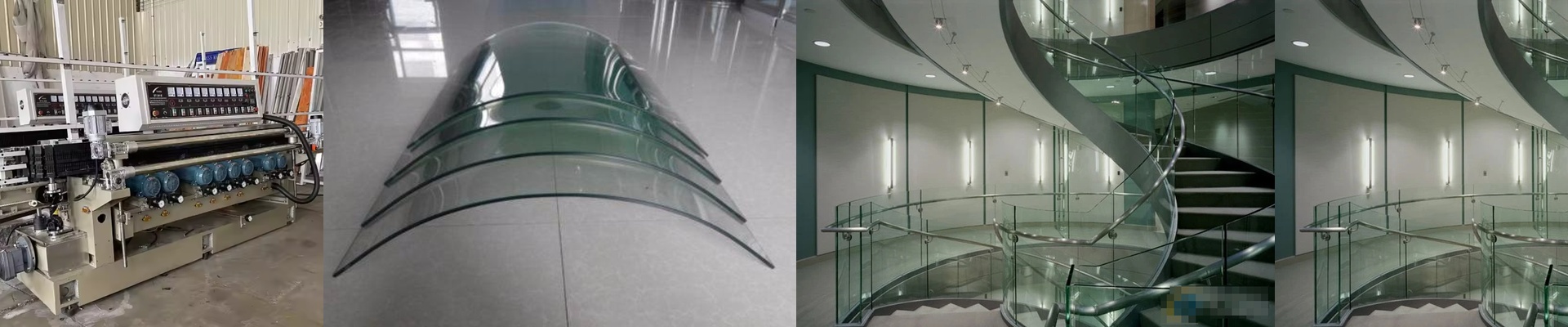
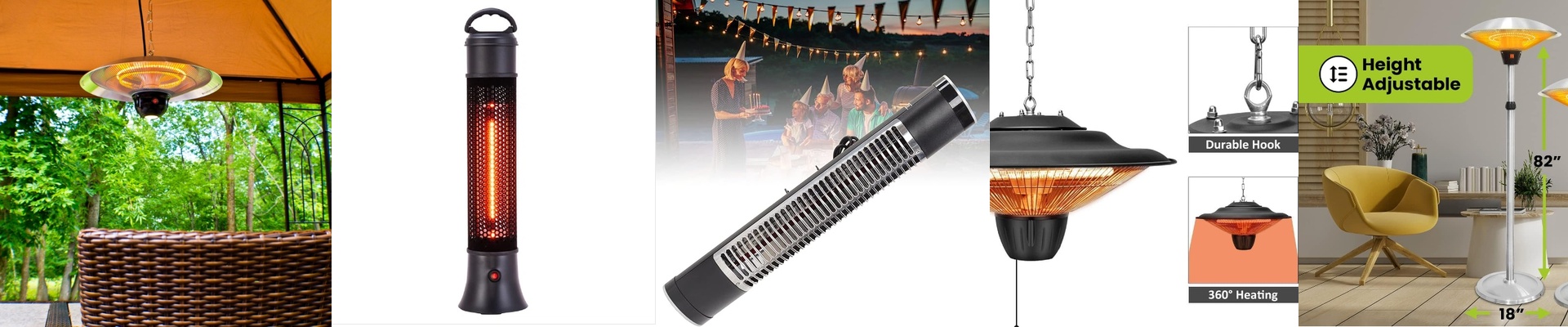

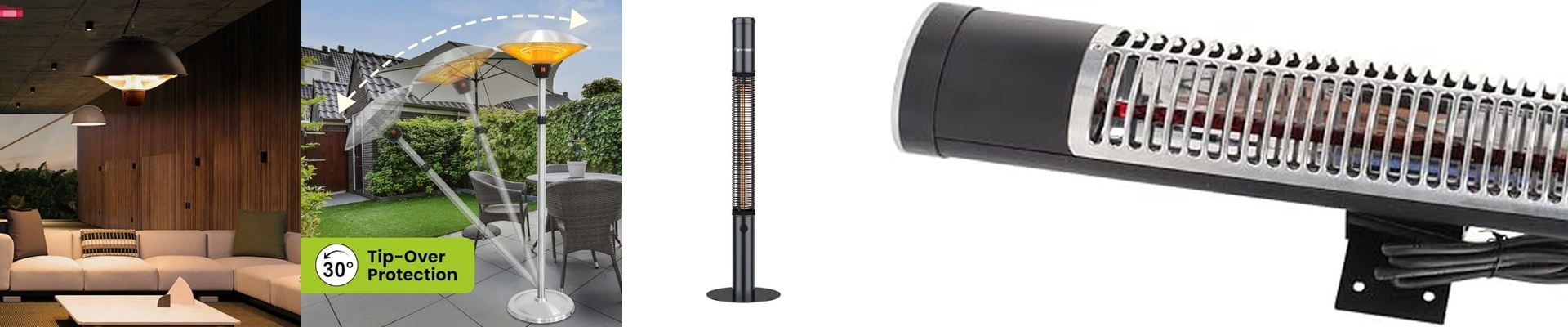
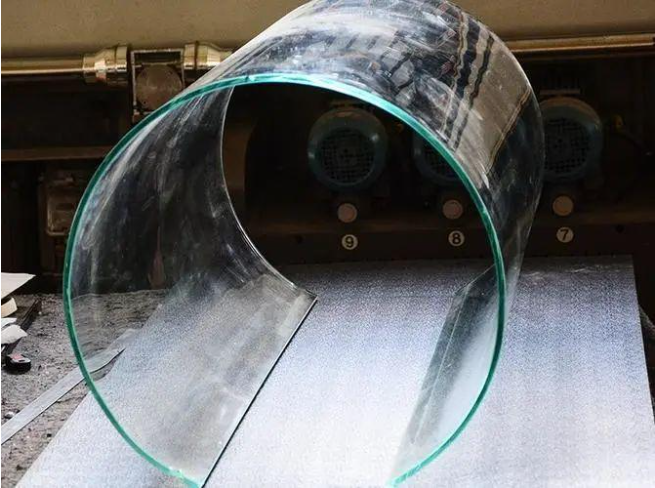
Cutting through ultra-thick glass is basically a fight. You’re fighting the rigidity of the material, and usually, the glass wins. If you just drag a cutting wheel across a cold, thick slab, you can feel the stress on the blade. It’s brutal. Your tools wear out way too fast, and you never quite know when the glass is going to crack in a way you didn’t intend. That’s why we use high-penetration infrared (IR) lamps. Instead of fighting the glass, we soften it up right where the cut needs to happen. It makes the whole process feel a lot smoother. Here is the trick: standard heaters just warm the surface, which doesn’t do much for a thick piece of glass. We use shortwave IR because those waves actually sink deep into the material. By heating up the cutting path, the glass becomes just a bit more forgiving. Instead of the wheel grinding and fighting for every millimeter, it just glides. And your tools will thank you. When the glass is pre-heated, there’s way less friction. Your cutting wheels aren’t taking a beating from that hard crystalline structure anymore. We’ve noticed that the deeper the IR penetrates, the longer the wheels last. You aren’t just hacking away at glass; you’re basically prepping the material so your hardware doesn’t get trashed. But you can’t just crank the heat and walk away. These lamps put out a ton of energy. If the intensity is too high or you leave it on too long, you’ll hit the glass with thermal shock. Then, the whole thing shatters before the blade even touches it. It’s a balancing act. You have to tweak the lamp distance and the power to match exactly how thick your glass is. Plus, you need good ventilation. If you don’t keep the air moving, the housing will overheat and fry your electronics. Simple, but it’s the kind of thing that can ruin your day if you forget it.