
Getting Your Glass Annealing Lamps to Actually Fit
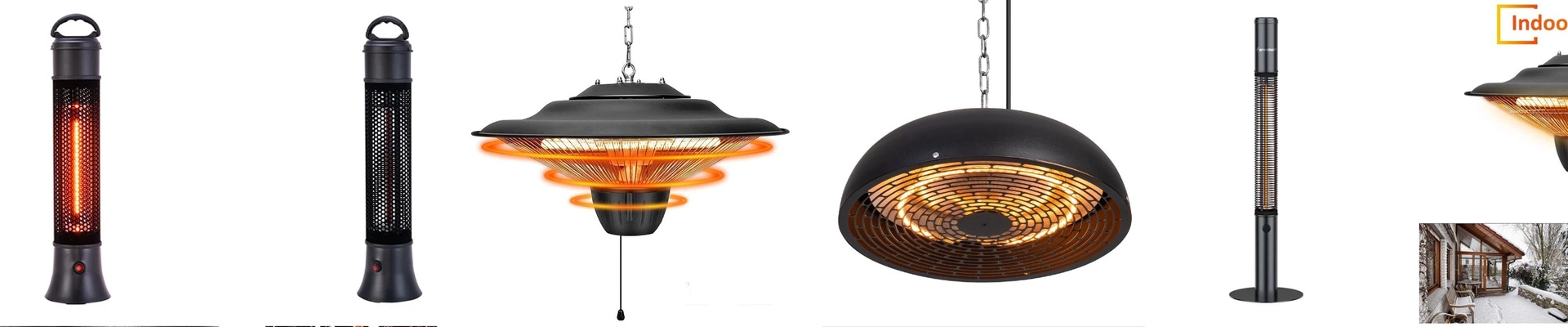
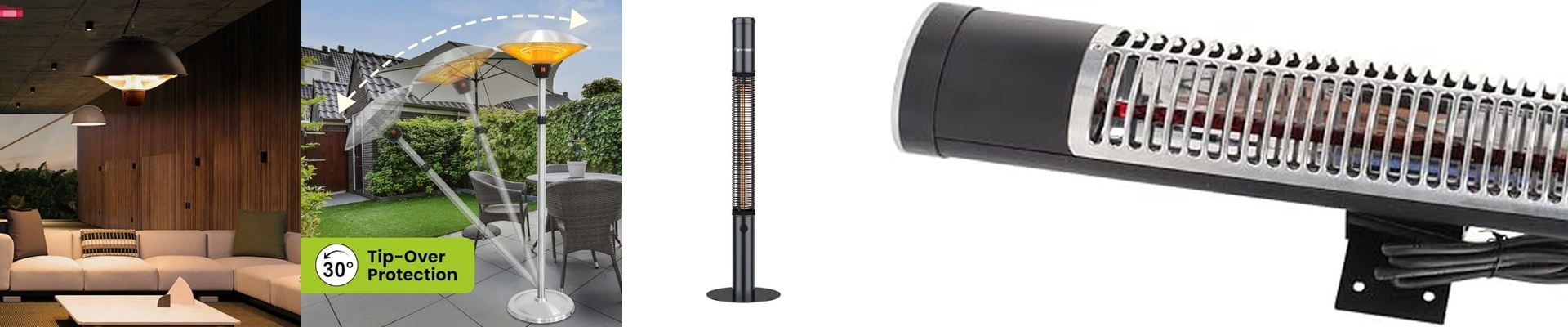
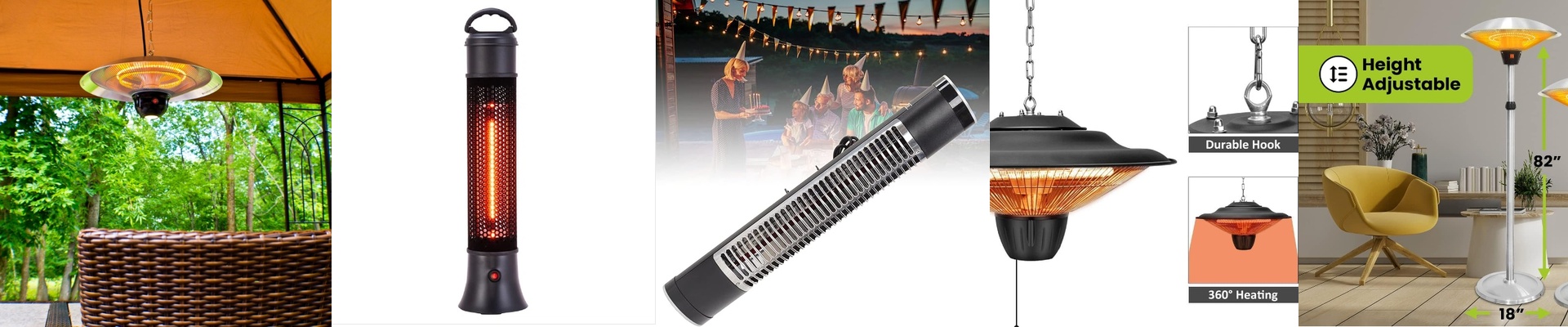
Anyone who’s worked with glass knows the drill. You need those thermal gradients to be spot on, or you’re looking at internal stress and a lot of wasted material. But when a lamp burns out or you decide it’s time for an upgrade, the real nightmare isn’t the power—it’s the fit. The struggle with the “fit” Most lab ovens are a mess of spiral heads and weird, proprietary mounts. If the lamp doesn’t sit exactly right, you’re in trouble. You’ll get hot spots, cold spots, or—even worse—electrical arcing at the contacts. Nobody wants to deal with that. That’s why we built our current lamp series the way we did. We went with a universal design so they just… work. Whether you’ve got the old-school screw-ins or some strange custom mount, these should slide right in. No hacking, no filing, no headaches. No tools required (mostly) We wanted to get rid of the “weekend project” aspect of upgrading. You shouldn’t have to drill new holes or weld custom brackets just to get a heater working. You just wire them up, slot them into the housing, and you’re back in business. It keeps your machine’s footprint the same and, more importantly, it keeps your downtime to a minimum. A quick word on the heat Now, high-density quartz lamps are great because they ramp up fast. But that extra punch of heat puts a lot of pressure on your housing. If you use our interfaces to jump up to a higher wattage, just take a second to check your insulation and cooling fans. If the chassis gets too hot, your wiring is going to fry a lot sooner than it should. Just a heads-up. Making life easier in the shop If you’re managing a fleet of different ovens, you know the pain of keeping a parts closet full of five different lamp types for five different machines. It’s a waste of space and money. Switching to a standardized interface means you only need to stock one spec. One lamp, every machine. It’s just simpler.