Stop Wrestling With Individual Lamps
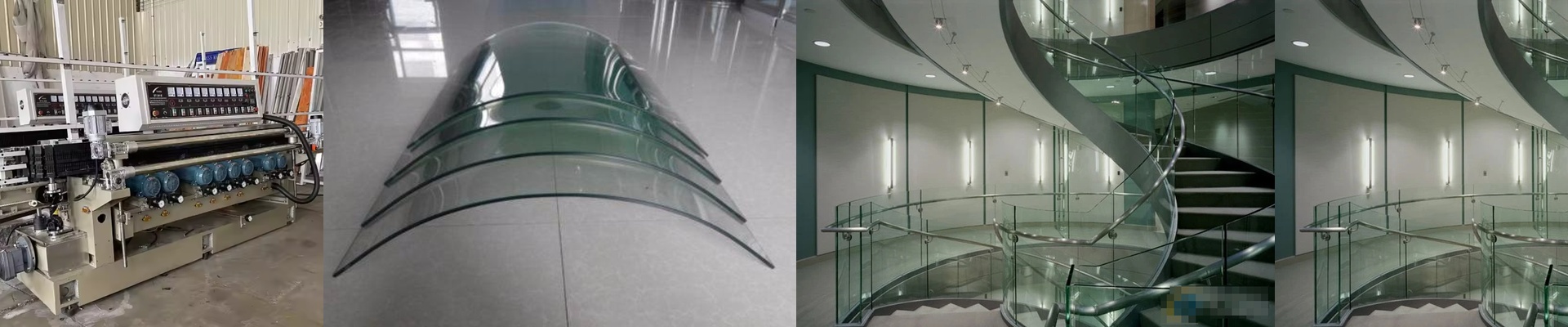
Buying a single infrared lamp is the easy part. The real headache starts when you try to actually fit that lamp into a curved glass annealing line. I’ve seen plenty of engineers get stuck in that gap between holding a raw quartz tube in their hand and actually getting a heating zone to work. When you’re dealing with spectacle glass, the physics are picky. If your thermal uniformity is off by even a little, you’re looking at stress fractures. And that’s a lot of wasted glass.
Why we stopped just selling parts
Usually, if you buy standard lamps, you’re on your own. You have to build the reflectors, wire the circuits, and spend hours manually aligning the tubes. It’s a slog. It eats up your team’s time, and you often end up with inconsistent heat gaps that keep you up at night. We decided to change that. Instead of just shipping you components, we send you a finished module. Since we handle the geometry and the assembly, you get a piece that just drops right into your machine’s existing footprint. No more guessing. No more “move it a millimeter to the left” for three hours. It just fits.
The tricky part: Heat Density
Here is the thing about high-wattage shortwave lamps: they’re great for the rapid ramp-up you need for glass bending. But they come with a catch. When you pack those lamps into a tight, curved space, the air around your wiring and connectors gets incredibly hot. If your cooling fans or shielding aren’t spot on, your connectors will fry. It’s as simple as that. To fix this, we build the wiring and mounting brackets directly into the module. It keeps the lamps at the exact focal distance they need to be, which keeps the heat steady across the entire curve without melting your hardware.
Getting your time back
At the end of the day, a turnkey module is really about saving your sanity on the shop floor. Instead of spending days wiring individual lamps and praying the circuits hold, your team just plugs the module in and tweaks the controller. It turns a complex engineering project into a simple mechanical swap. You stop worrying about snapping a fragile tube during installation and can actually get back to focusing on the annealing cycle. It’s just easier.