
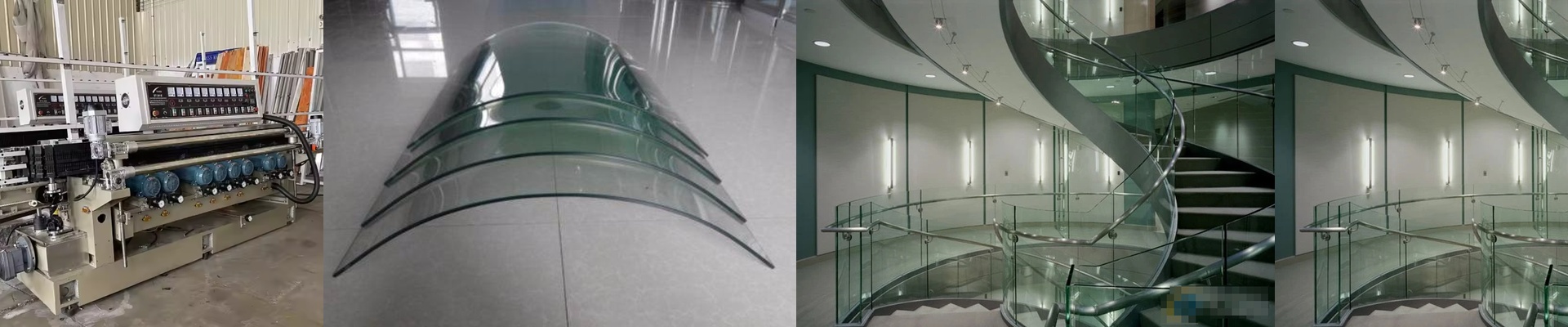
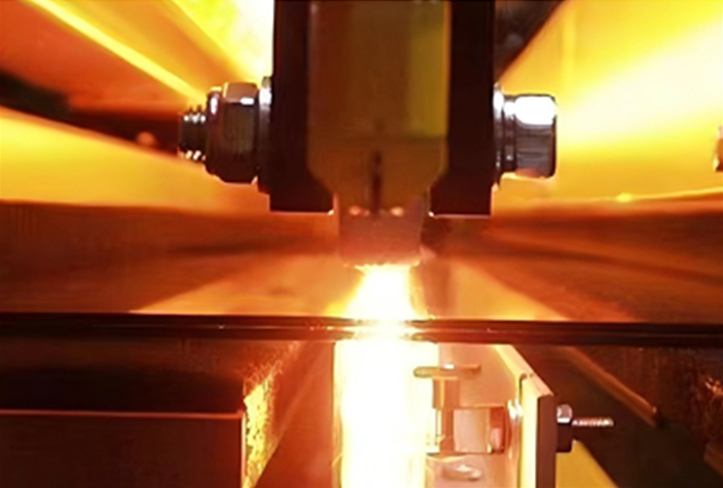
Cutting through ultra-thick glass is a brutal process. If you’ve ever tried to score a cold, heavy slab, you know the feeling—the cutting wheel is basically fighting a war against the material. It creates this massive amount of friction and stress that just wears everything down. To fix this, we use shortwave infrared (IR) lamps. Instead of fighting the glass, we soften it. Here is the trick: most heaters just bake the surface, which doesn’t really help when you’re dealing with a thick plate. But shortwave IR actually sinks deep into the glass. By hitting the cutting line directly, we lower the viscosity of the material. It’s not about melting the glass into a puddle. It’s more like making the material “give” a little more. The wheel just glides through. It feels smoother, and the whole process becomes way less of a struggle. And your tools will thank you. When the glass is pre-softened, the wheel isn’t slamming into a brick wall. It stops the chipping and keeps the edge sharp for much longer. We’ve noticed that wheels can cover a lot more ground before they need to be swapped out. Basically, we’re letting the heat do the heavy lifting so the hardware doesn’t have to. Now, you can’t just slap these lamps into a rig and call it a day. These things pull a lot of power to get that heat deep into the slab. If you go with a high-density setup, you’ve got to make sure your cooling is on point. If the housings get too hot, you’ll fry your connectors. Plus, keep an eye on your voltage. If it flickers, the softening becomes uneven, and that’s how you end up with jagged, ugly breaks. Keep the airflow moving and the power steady, and you’re golden.