
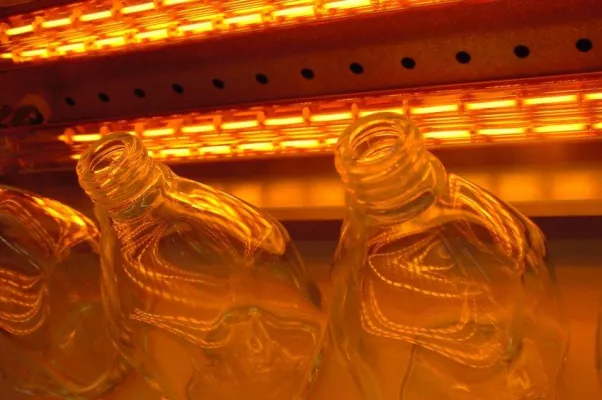
Why Your Glass Quality Depends on Your IR Heaters Being Identical
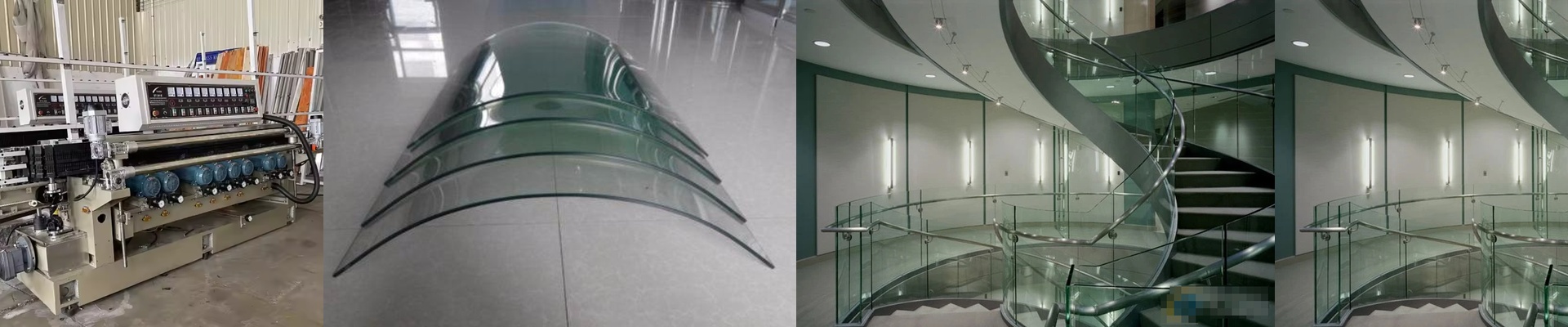
Ever wonder why one batch of glass comes out perfect and the next has those annoying internal stresses? Usually, it’s because your heat isn’t hitting the glass evenly. If your infrared lamps are off by even 5% or 10% in wattage, you’re basically baking your glass with hot spots and cold zones. It messes with the refractive index and leaves you with a product that just isn’t consistent. The real struggle with heat Here’s the thing: IR heating is all about radiative flux. When you’ve got a whole bank of quartz heaters wired up, the entire system is only as reliable as the weakest lamp in the bunch. If your resistance and wattage are tight and matched, every single square centimeter of that glass gets the exact same amount of energy. It means you can stop over-processing your batches just to make up for a few lazy lamps. It’s a huge relief. The nitty-gritty on quartz and filaments We use high-purity quartz because it can take the heat without warping. We also play around with the filament winding density to get the heat profile just right. Since shortwave IR sinks into the glass surface fast, it’s great for those quick annealing cycles. But you have to be careful. If you run a lamp even slightly over its spec, you’ll kill the lifespan of the bulb and shift the emission spectrum. It’s a delicate balance. What actually happens on the shop floor You can’t just grab any random lamp and toss it into your machine. The connectors have to be rock solid, or you’ll deal with arcing once things get hot. And a quick heads-up: high-wattage density lamps are great for speeding things up, but they’re brutal on your cooling fans. If your fans aren’t up to the task, the ends of your lamps are going to burn out way too soon. It’s a lot easier to just get your lamps matched from the start. Once they’re consistent, you can stop chasing your tail with constant temperature tweaks and actually trust your quality.