
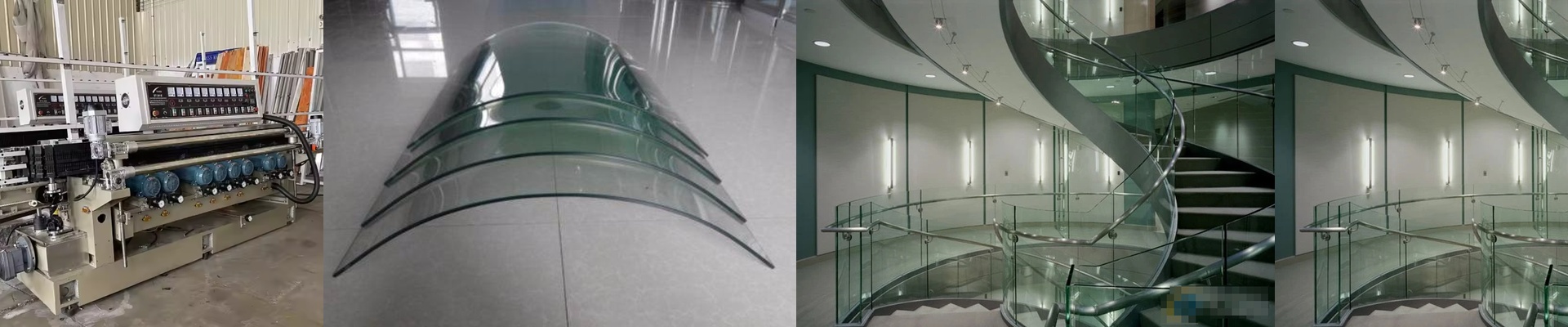
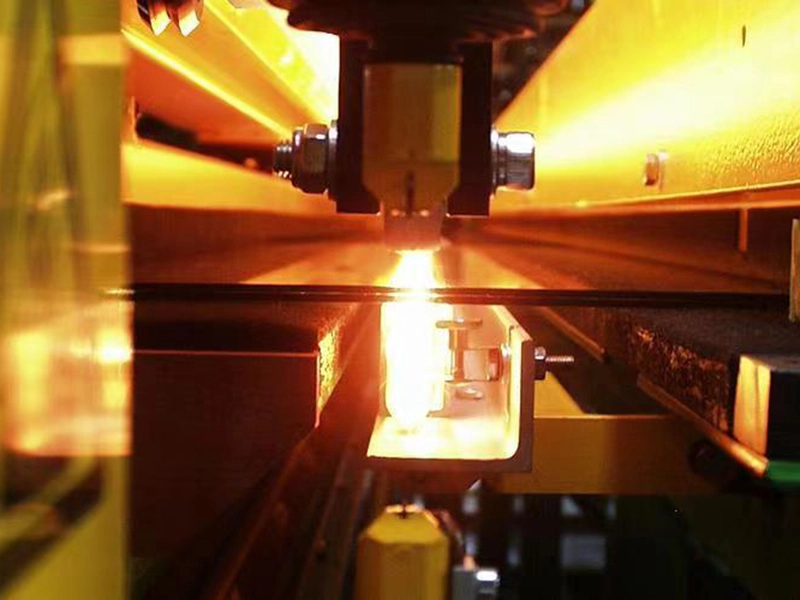
On a glass line, heat is only useful when it’s under control. Push one zone too hot or ramp too fast, and you’ll pay for it—thermal stress fractures in tempering, sag in bending, or weak adhesion in lamination. That’s scrap, lost yield, and downtime. We build industrial quartz heaters for lines where the heat profile has to repeat, shift after shift. What matters under the hood These are short-wave infrared heaters—fast response, tight spectral focus. The elements run on standard industrial voltages and are packaged compact, so they drop into existing oven zones or retrofit lines without a redesign. Emissivity stays stable through repeated thermal cycling, and power density is matched to line speed so the heat hits the glass surface where it’s needed—without cooking fixtures or stirring up convection drift. We size wattage, length, and mounting to your machine geometry so the thermal field stays even across the full glass width. Why this approach fits the work In tempering, uniform heating keeps edge compression consistent and holds optical distortion down. In bending, controlled ramp rates prevent localized thinning and shape drift. In EVA/SGP/PVB lamination, stable surface temperature shortens the cycle and gives you void-free bonding more consistently. In coating drying, the right infrared profile cures without pinholes or haze. The payoff is fewer rejects, predictable cycle times, and lower energy use per square meter because the heat goes straight to the glass, only when it’s needed. Here are the field realities Quartz infrared works best with direct line-of-sight and clean reflectors, so keep the heater face clear of dust and oxide buildup. Output can drift a bit as the element ages, so schedule periodic calibration checks against a verified pyrometer. If your line swaps glass thickness often, plan for zone tuning—or auto-tuning logic—to hold the target profile. We supply drop-in replacement assemblies for common OEM zones, but confirm mounting and electrical connections before installation so you don’t buy downtime.