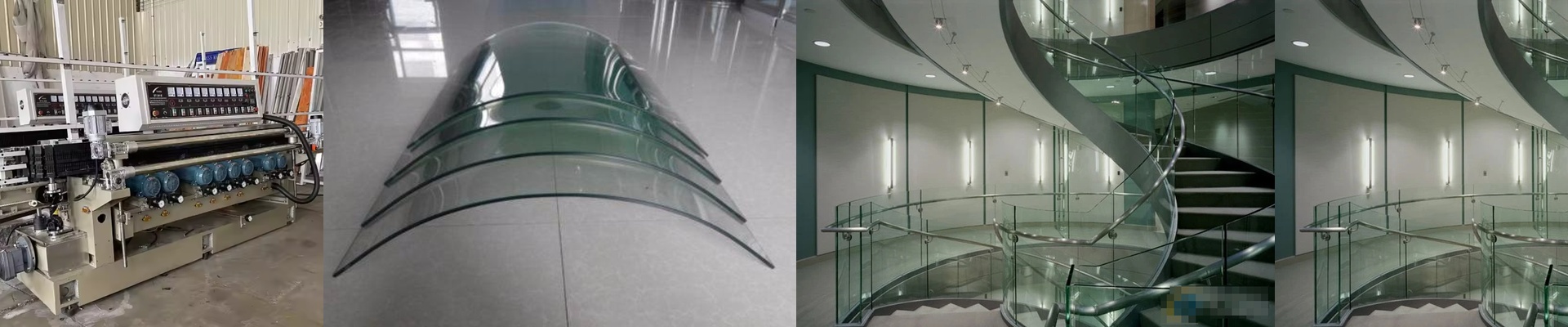
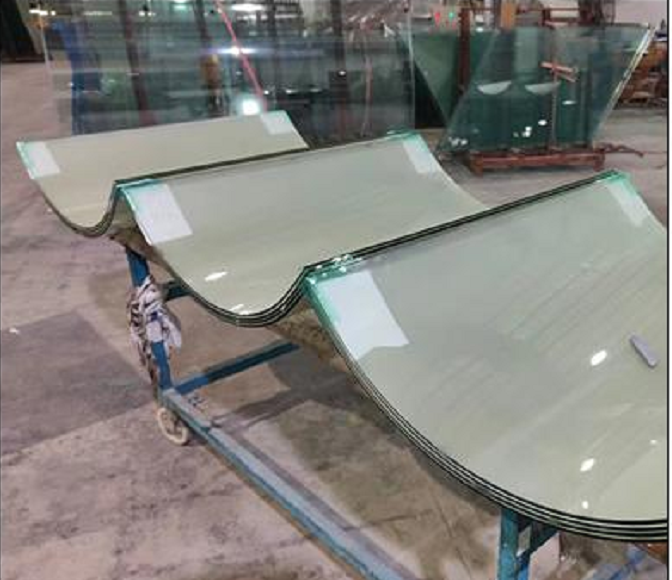
On the line, a heating failure doesn’t just slow you down—it turns a whole batch into scrap and blows your schedule. When the tempering furnace or the lamination press loses heat, the whole line stops with it. Quartz infrared lamps are what keep the glass moving, delivering the fast, stable heat you need. And how long those lamps last? That’s the difference between uptime and downtime. The meat of it is the quartz envelope and the short-wave infrared output. These lamps hit high power density with fast response, so the glass heats quickly and evenly. Keep the spectral output stable and the emissivity consistent, and the thermal profile stays repeatable cycle after cycle. We size them for actual equipment: standard voltages, compact geometry, and terminations that survive thermal cycling and the vibration inside presses and ovens. The goal is stable output over thousands of hours, so your heating stays predictable shift after shift. Heat control is glass control. In tempering, uniform heating keeps thermal stress fractures out and keeps bow and warp within tolerance. In lamination, fast, even heat drives adhesion without bubbles or haze. For coating and drying, infrared targets the surface, cutting down on convection and shrinking the process window. The payoff is fewer rejects, higher throughput, and lower energy per part because the lamp heats on demand instead of running full time. A few practical notes. Quartz infrared lamps are finicky—they’re sensitive to handling and how you run them. Install with the right clearance and alignment to avoid hot spots and uneven wear. Keep the reflectors clean, and keep an eye on terminal temperatures; hot spots there will kill lamp life. They’ll work with most OEM fixtures, but before you swap anything in, confirm voltage, dimensions, and mounting. Expect stable performance over 5,000+ hours under controlled conditions, but when you replace existing modules, always verify your process window.