


Why your second-level surface drying needs some serious muscle
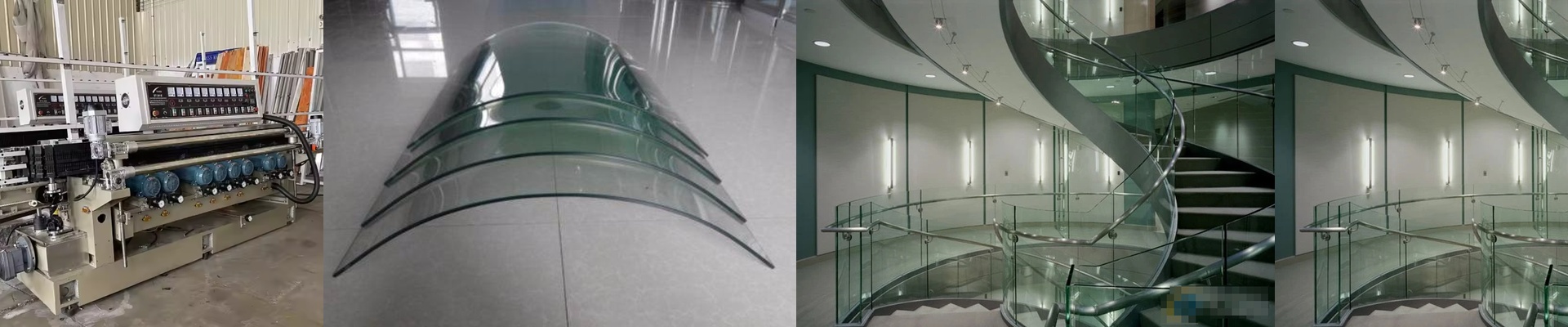
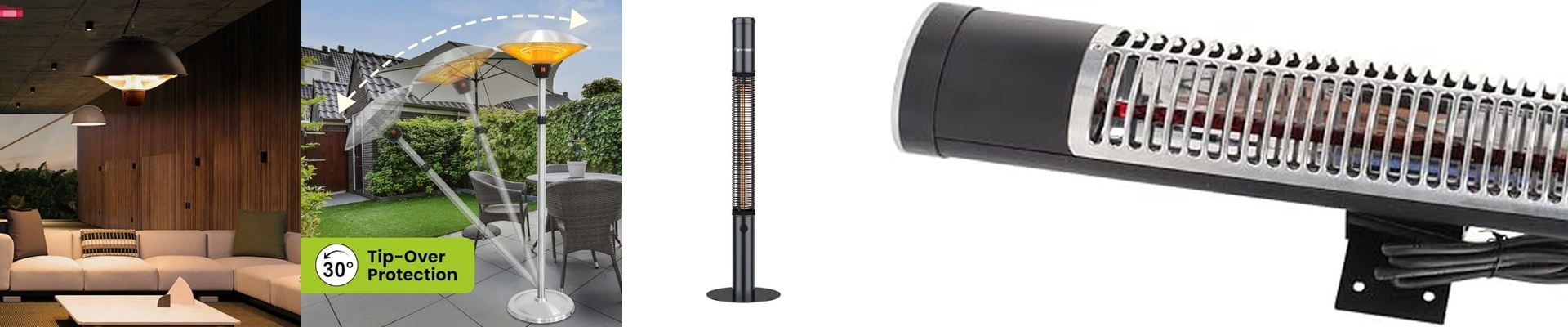
Let’s talk about drying ink on glass. It sounds simple, but it’s one of those things that’s only simple when you have the right tool. We built our infrared heating lamps for exactly this moment—when you need to dry the printed ink on a second-level surface, fast. Here’s the idea: you’ve got to blast the solvents with enough heat to evaporate them, but without scorching the glass underneath. Our halogen infrared heaters do that by packing a lot of power into a small footprint. They run at high wattage, so the energy hits hard and fast. And the 400V spec? That was a deliberate choice. It lets us push that high power through the tube while keeping the current manageable for the control panels you already have in your plant. It’s about getting the performance you need without asking you to rewire everything.
The guts: halogen, quartz, and a connector that actually earns its keep
Inside, it’s all about a halogen-filled quartz tube. The halogen gas does a quiet, steady job—protecting the filament, keeping the heat output stable, and stretching the life of the tube compared to standard infrared. The quartz envelope is the other hero. It lets shortwave infrared get through cleanly, so the heat goes where it matters: right onto the ink layer. Not wasted on the air around it. And the R7s connector isn’t just a “nice-to-have.” It’s built for real work—two solid contact points that handle high current and resist arcing when things heat up and cool down. That means you can drop this right into your existing print-line fixtures, wire it up, and get running without re-engineering the whole machine.
What it feels like on the line—and what to keep an eye on
When you’re curing ink on glass, the lamp has to deliver heat instantly, with control. You need the ink surface dry within seconds, otherwise wet ink transfers when sheets stack, and that’s where you start seeing blocking and scuffing defects. The high heat density is what makes that speed possible. But it also means you need to plan for the heat. The reflector and nearby components have to be rated for the temperature profile, and the system needs enough cooling to keep ambient heat build-up in check. Get the spec right, and the drying step stops being a guessing game. It keeps pace with your line speed, cuts scrap, and keeps throughput steady—quietly doing its job while everything else moves.