Engineering Gold-Coated Infrared Emitters for 3-Meter+ Low-E Glass Preheating
We build infrared heating units for one specific mission: preheating wide Low-E glass—without hot spots, without energy leaking away, and without the temperature drama that slows you down. To make that happen, we lean on a gold-coated emitter housed in a custom-length quartz tube. It’s not flashy. It’s just engineered to do the job, day after day.
Power, voltage, and size—matched to your line
A 3-meter-plus heating zone isn’t just “a longer lamp.” It’s about getting the power density and voltage strategy right so the whole span heats evenly. We size the emitter length to match your conveyor width and your thermal needs, then dial in the wattage so output stays consistent across the full run. We often run these at higher voltage—around 400V—because that keeps the current lower for the same power. Lower current means smaller wiring, less voltage drop over long runs, and less heat building up at the terminals. The trade-off is real: you get a cleaner electrical setup, but your control panel and cooling have to be ready for the extra heat and the warmer air around the lamp ends.
Why the gold coating matters (and why the connectors do too)
That gold coating isn’t for looks. It reflects a big chunk of infrared energy back toward the glass, so more of the heat goes where you need it. The payoff? Higher radiant efficiency, less wasted heat into the surroundings, and fewer headaches about components getting baked by stray radiation. The quartz tube handles the shock of repeated on/off cycling during production—because uptime depends on parts that don’t crack under thermal stress. For termination, we use R7s-style connectors. They give solid contact and quick mounting, so the lamp drops in clean and stays put. You wire it up and get back to work.
What this solves in real life: wide-format Low-E preheating
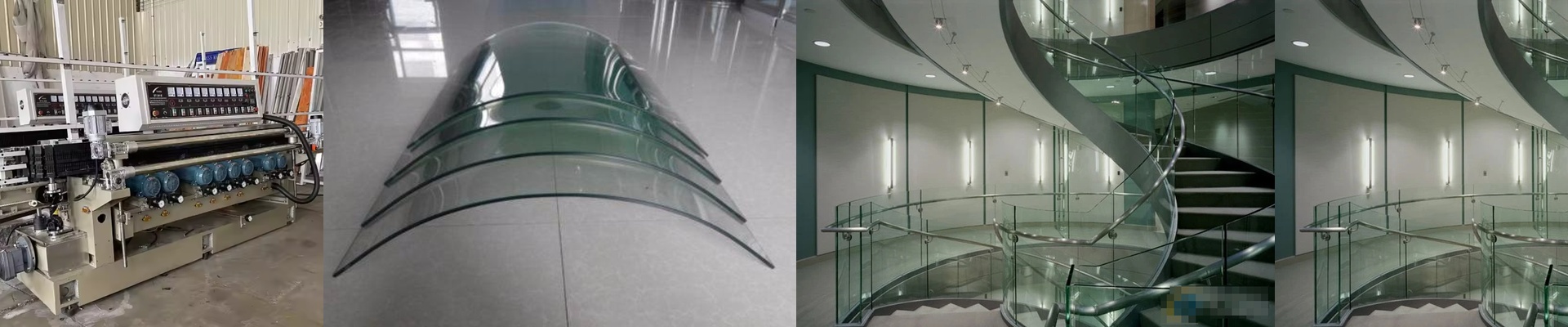
On a Low-E glass line, preheat has to be fast, even, and repeatable—because the next step depends on hitting a controlled temperature. A custom-length, gold-coated infrared unit matches your line width and focuses the heat right where it needs to be: on the surface. The result you’ll feel? Faster ramp-up, stable zone control, and fewer rejects caused by uneven heating. And because the design keeps heat focused on the glass, it also reduces the heat load on the conveyor and shielding—which can mean less maintenance. Just plan for airflow and thermal clearance. This is high-density heating, and the equipment around it needs room to breathe. If you run wide-format Low-E lines, we size the emitter to your exact width, tune the power and voltage to your plant, and build it to survive the daily grind.