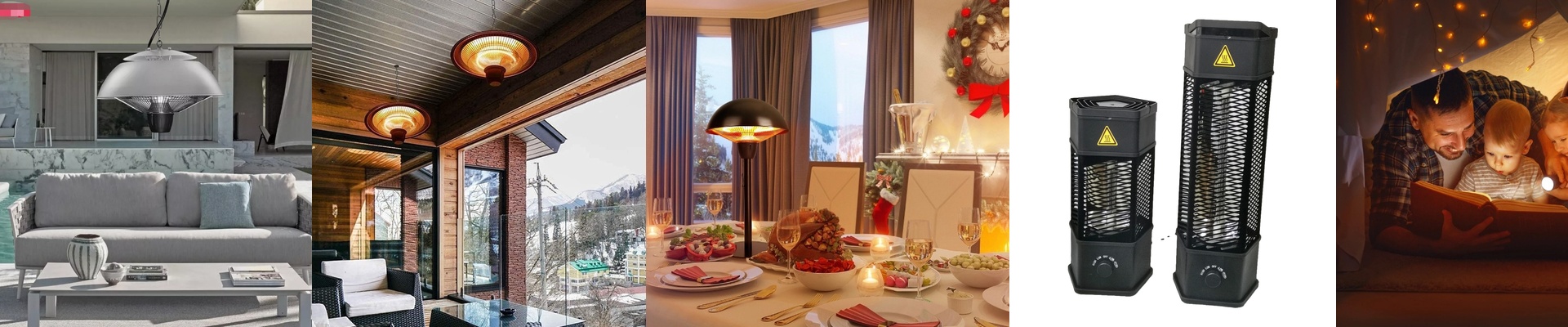
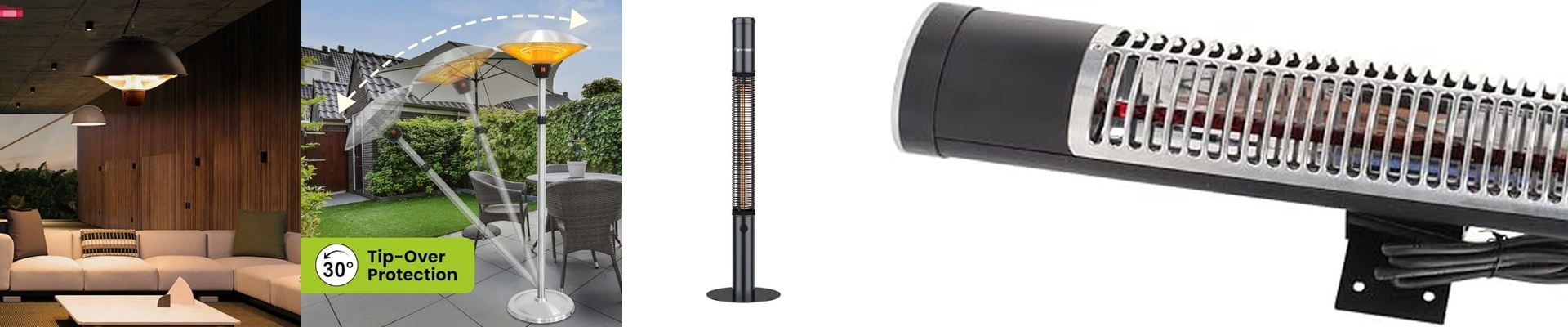
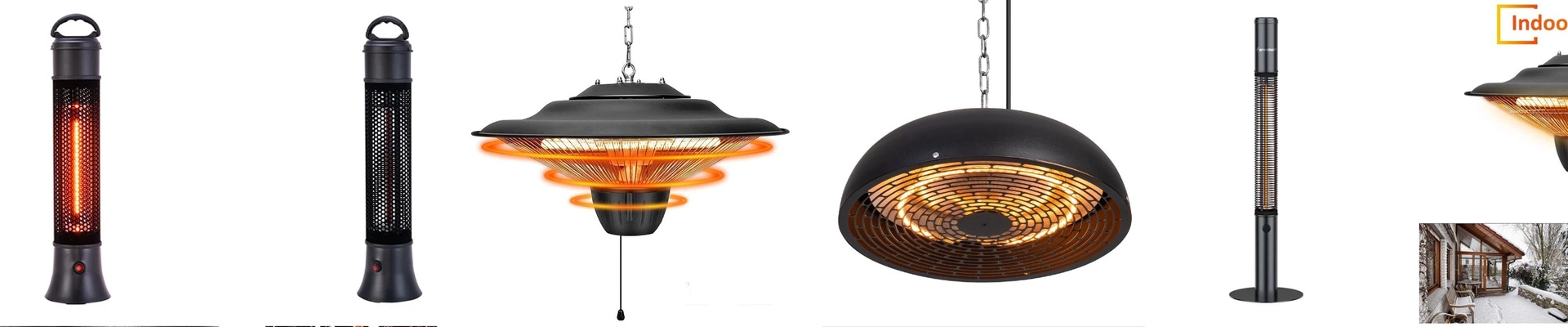
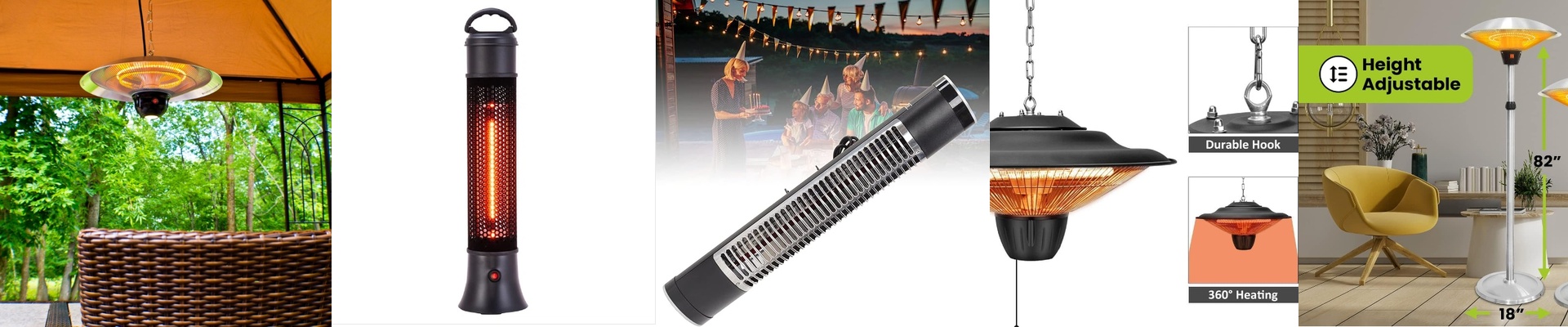
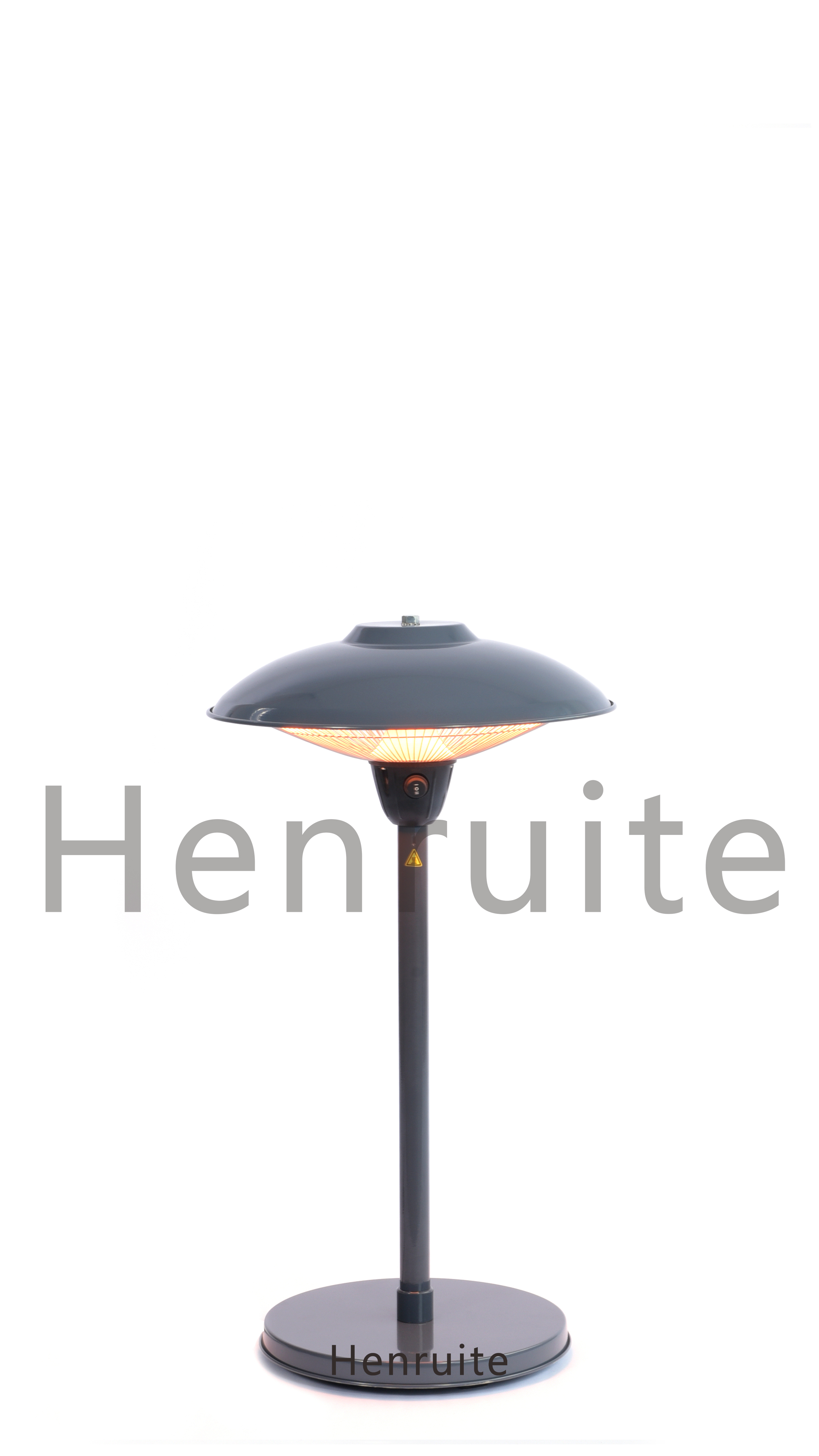
When the air turns thin and the chill settles in, a room heater for an elderly space has to earn its keep. It can’t just switch on—it needs to deliver steady, soothing warmth that feels dependable. That’s exactly what infrared heaters do. They warm people and surfaces directly, instead of chasing the air around the room.
What’s actually going on under the hood
Inside these units, a carbon fiber element sits in a sealed quartz tube, producing radiant heat that travels straight to occupants and furnishings. You get immediate comfort—no loud fan, no dry blast of forced air. The heater runs on 120V household outlets, with a standard 3-prong plug. It also has a built-in thermostat to hold a consistent room temperature, plus safety measures like tip-over protection and overheat protection. Infrared warmth is efficient because it targets heat where it’s needed—chairs, floors, skin—rather than trying to heat the entire volume of air.
Why this matters in an elderly room
The real advantage here is how the warmth lingers. When the heater cycles off, the objects in the room—chairs, walls, floors—retain the absorbed infrared energy and gently release it back into the space. That passive heat retention keeps the room feeling warmer longer, smoothing out temperature swings and cutting down how often the heater has to run. For seniors, that steady feel supports better comfort, easier relaxation, and a more predictable environment the moment they sit down.
Setup and placement—what I’d do
Infrared heat is directional, so position the unit so the radiant beam covers the primary seating area. For best results, keep it about 6–8 feet from the chair and keep the line of sight clear of obstructions. This heater is designed for indoor use. If you need coverage in a drafty room or an enclosed porch, pick a model rated for those conditions. Keep a 3-foot clearance on all sides, and always plug into a grounded outlet on a dedicated circuit.