
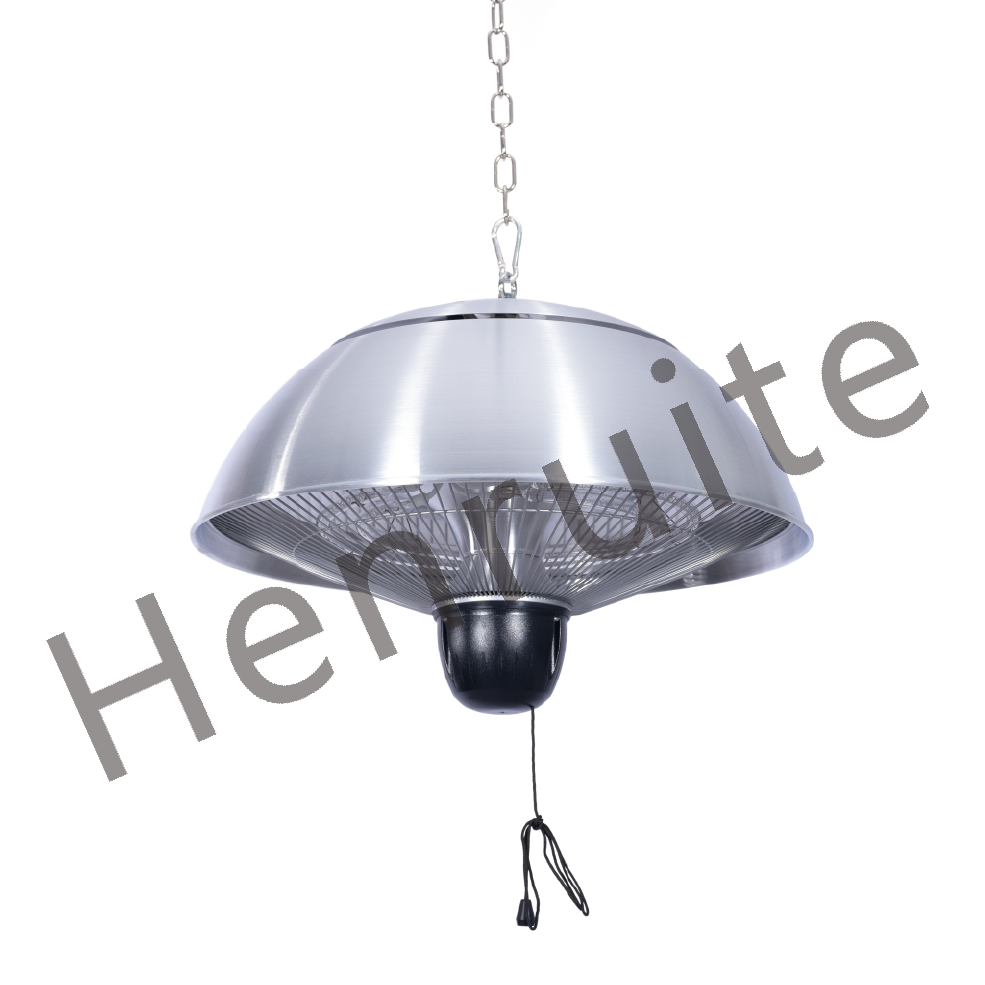
Why we’re ditching old bathroom heaters for high-IP infrared
If you’ve looked at high-end bathroom designs lately, you’ll notice those old-school “light-warmers” are disappearing. They’re just not cutting it anymore. Instead, everyone is moving toward waterproof infrared heaters. Why? Because they actually handle the steam and humidity of a bathroom without throwing a tantrum—or shorting out.
The difference you actually feel
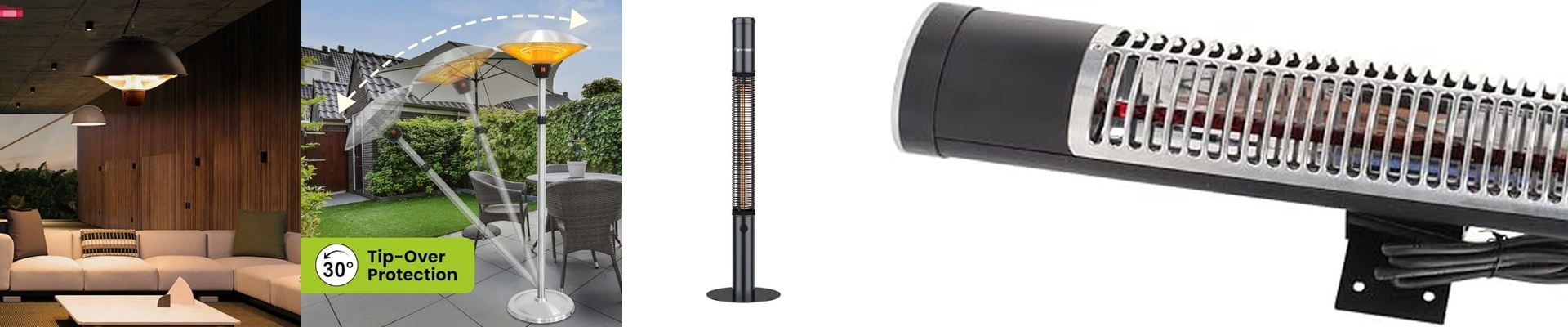
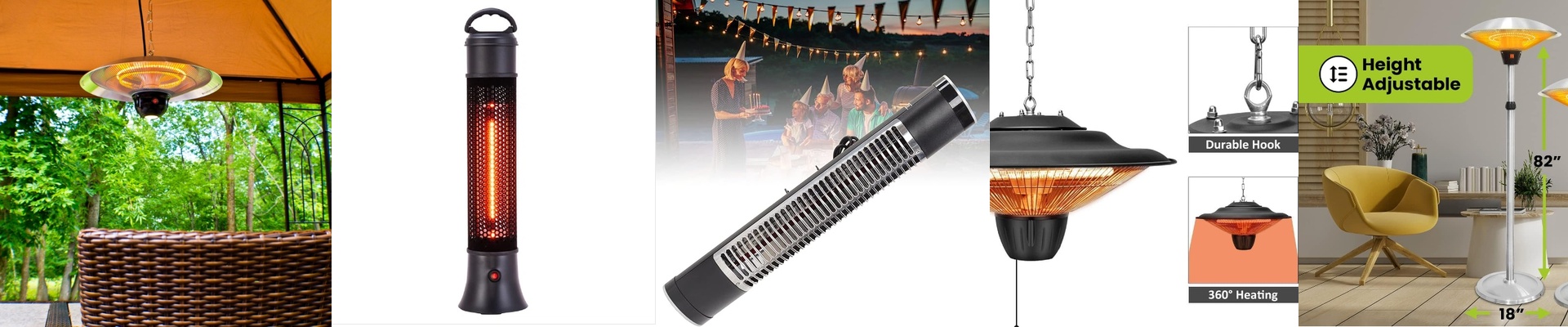
Here is the thing about standard lamps: they try to heat the air. But air is slippery; it moves. You’re left waiting for the whole room to warm up while you’re still shivering. Infrared is different. It doesn’t care about the air. It sends heat straight to you—your skin, the floor, the towel rack. It’s immediate. You flip the switch and you feel it instantly. That’s why they’re becoming the go-to for modern renos.
Dealing with the wet stuff
In a shower, steam is one thing, but a direct splash? That’s where things get dicey. That’s where the “IP rating” comes in. Basically, it just means the heater is sealed tight. We use heavy-duty gaskets and sealed housings to keep moisture far away from the live electrical parts. Because if that seal fails, your GFCI is going to trip, or worse, the unit just burns out. Just a heads-up: make sure your wiring is rated for damp spots. There’s no point in having a waterproof heater if the wires behind the wall aren’t up to the task.
The practical side of things
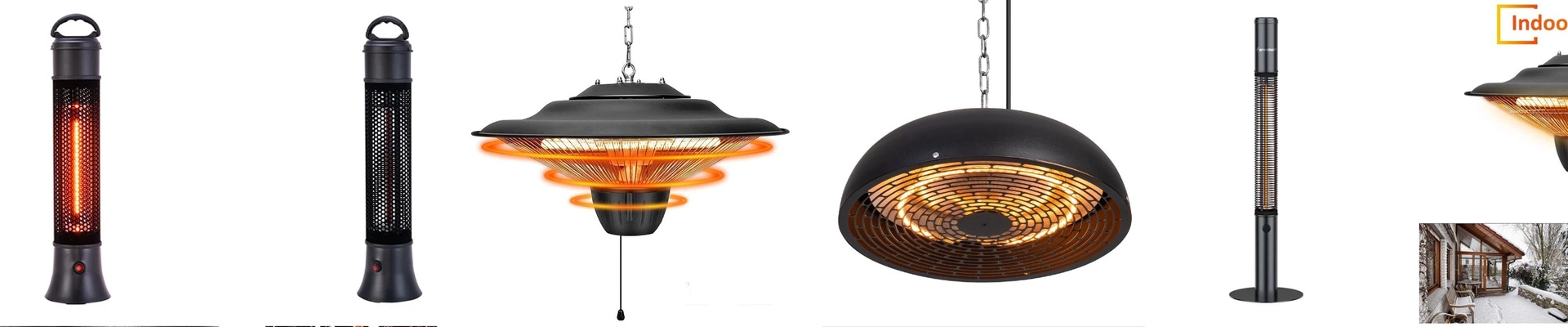
These units are great because they don’t take up much space. They slide into existing ceiling grids way easier than those bulky convection heaters. But a word of caution. Infrared puts out a lot of concentrated heat. If you mount one too close to cheap PVC trim or some flimsy plastic, you’re going to have a melting problem. Always double-check your clearance distances before you screw them in. We build these to last, but nothing is forever. Over five or ten years, those seals can start to wear down—especially if you’re scrubbing them with harsh chemicals. Every now and then, just take a peek at the housing seals to make sure everything is still tight. It only takes a second and saves you a huge headache later.