
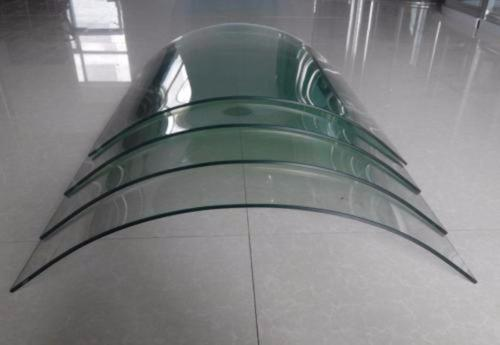
On the glass line, thick sheets—12 mm, 19 mm, and heavier—don’t forgive uneven heat. Step up to the cutting table and you see it right away: micro-cracks that show up after scoring, or chips that snowball when the brittle zone is too cold. A conventional heater gives you hot spots and lag, and you end up either slowing the line or paying for it in scrap.
What matters under the hood
We built the thick-glass cutting preheater around short-wave infrared quartz emitters. The reason is simple: fast response and high power density, without leaning on heavy convection. The module runs on 380–480 V three-phase, pulls 24–36 kW depending on beam width, and lays down a uniform thermal field across the glass width—±3% temperature spread. Closed-loop control keeps the setpoint within ±5°C, so the surface hits the preheat target quickly and consistently. The emitters are rated to 5,000+ hours with controlled lumen decay, and the reflector geometry keeps the energy on the sheet, not bleeding off into the surroundings.
Why this approach fits thick glass
Thick glass needs heat that penetrates fast and distributes evenly before the cutter head gets there. This preheater brings the surface up to temperature in minutes, not tens of minutes, so your cutting cycle stays tight. That uniform profile cuts down thermal stress at the scoring line, which means fewer edge chips and micro-fractures—less rework, fewer rejects, and more predictable throughput. Energy use comes down because the emitters heat on demand. No long warm-up of a big chamber, and the control holds temperature without chasing it and overshooting. Maintenance stays reasonable, too: the modular emitter array is set up for quick replacement, so you’re back online in minutes, not hours.
What to watch for on the floor
This is direct-radiant, so it needs a clean line of sight to the glass and a clean, reflective path to perform. Keep the emitter-to-glass distance within the specified range; step outside of it and you’ll lose uniformity and slow response. It integrates cleanly into most cutting stations, but before you install, confirm the mounting pattern on your machine and that you’ve got the right power circuit available. If your shop runs high-emissivity coatings, start conservative on the temperature profile—easy to dial up if needed, and you avoid local overheating.