Stop the Cracking: How to Handle Glass Tempering Without the Stress
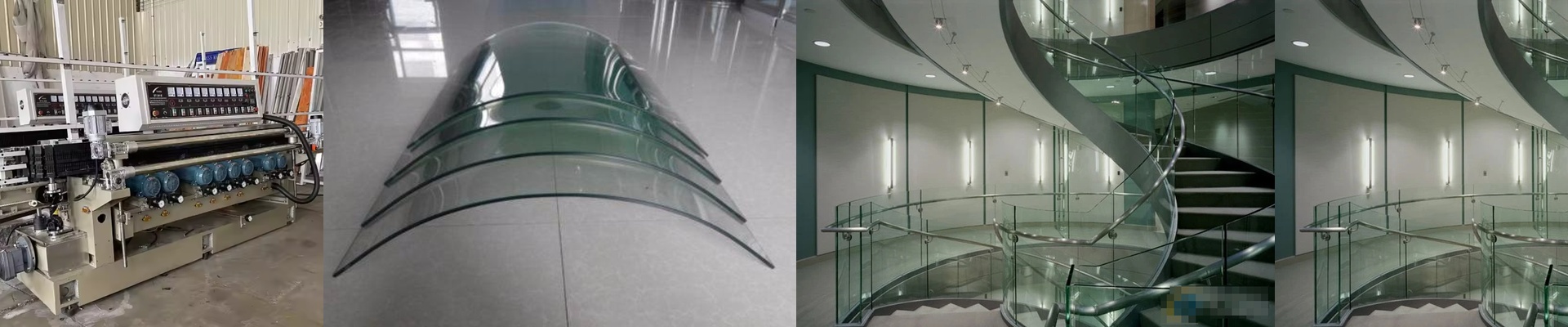
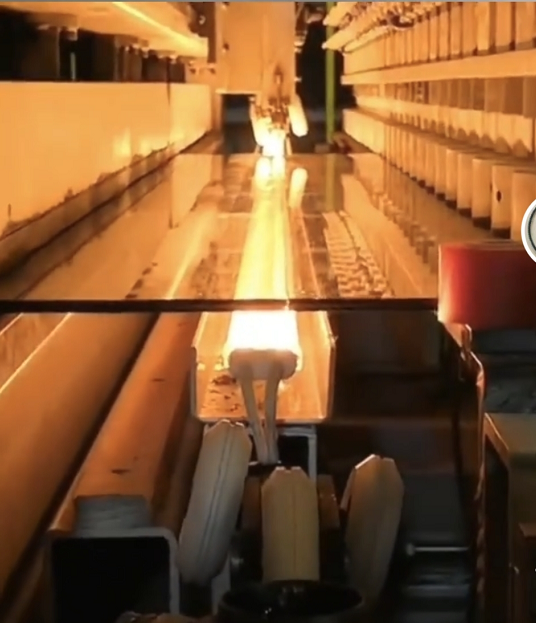
Working with glass is a nerve-wracking game of timing. You need those heat spikes to be exact. If you push the temperature too fast, or let it linger a second too long, you’ll hear that dreaded snap. That’s why we rely on long-life infrared heating tubes. They give us the kind of instant power control you need to keep the glass intact.
Getting the heat right (without the shock)
The trick to tempering is hitting a precise surface temperature without letting the heat soak all the way into the core. It has to happen in seconds. We use tubes with high power density to make that happen. But the real secret is the SCR power controllers. They let you dial the wattage up or down on a dime. It stops that “thermal shock” from happening—you know, that moment when the difference between the hot surface and the cool interior gets too extreme and the whole piece just gives up.
Why the build actually matters
We stick with high-purity quartz and halogen gas fills for a reason. In a normal tube, the tungsten filament evaporates and clouds up the walls. Not these. The halogen cycle keeps the tube crystal clear, so your heat output stays steady for thousands of hours. If you go with the cheap stuff, your output drops off fast. Suddenly, your timing is off, and you’re staring at a pile of scrap.
The trade-off
Here’s the thing: these tubes put out an intense amount of radiant heat. It’s great for speed, but it’s tough on your gear. You can’t just stick these in a sealed box and hope for the best. You need active airflow and solid cooling fans, otherwise, the ends of the tubes will just burn out. The best way to run this is with a fast-acting PID controller. It gives you the agility to protect your glass while keeping the line moving. It’s really just a balance of raw power and millisecond-level control.