Keeping Outdoor Changing Areas Warm (Without the Headache)
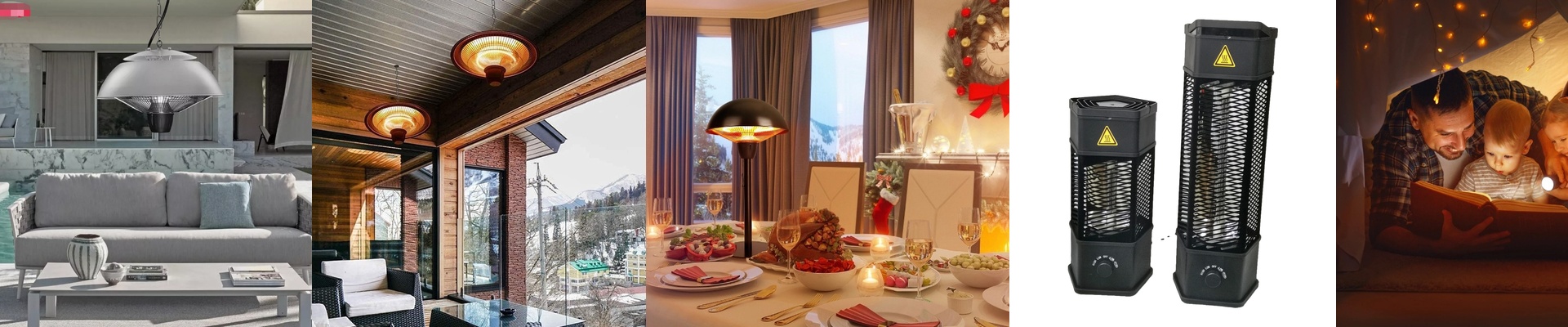
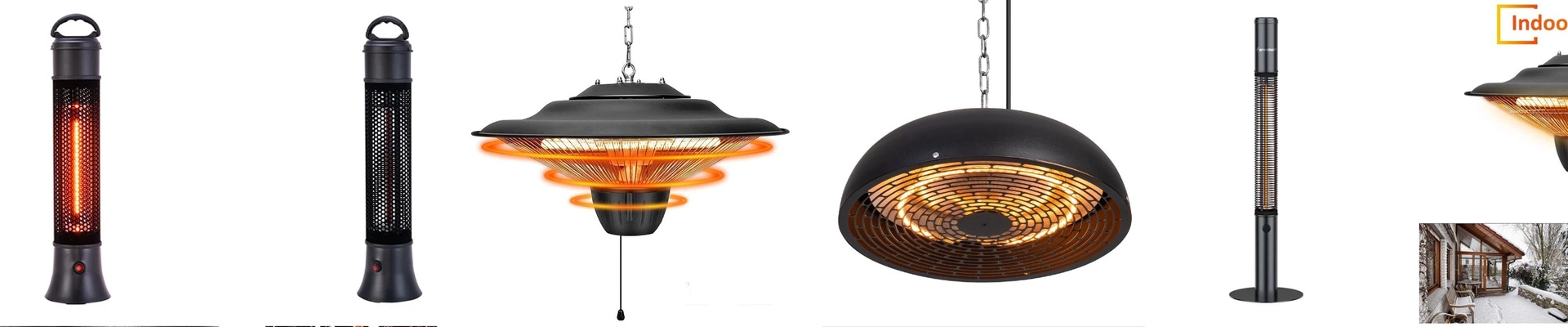
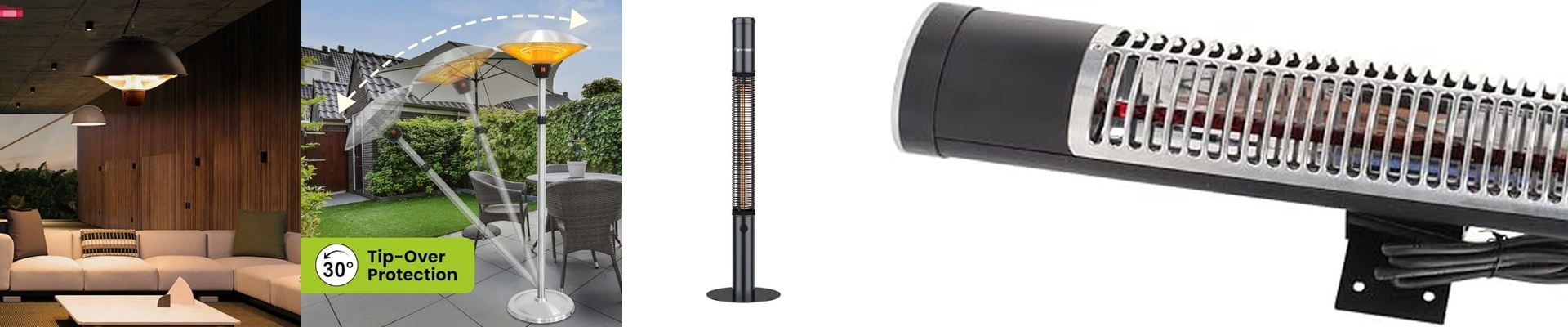
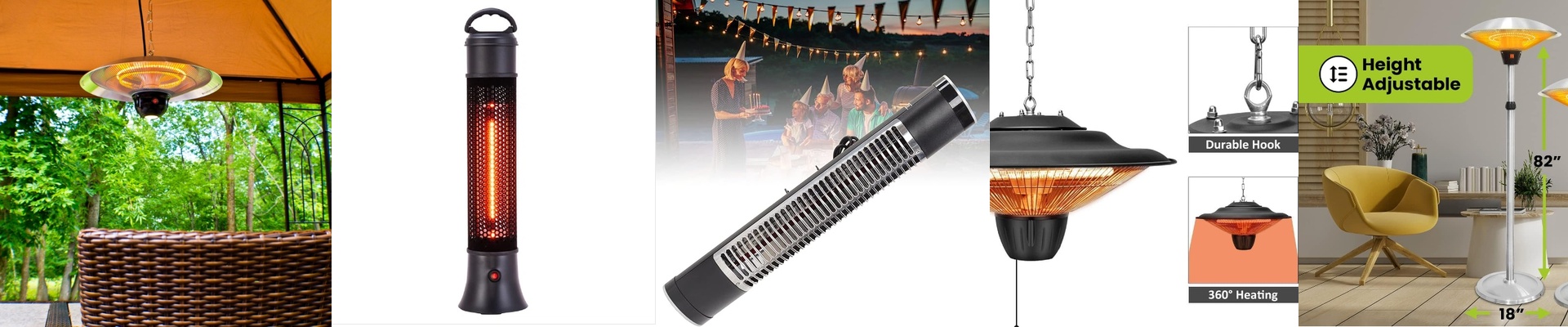
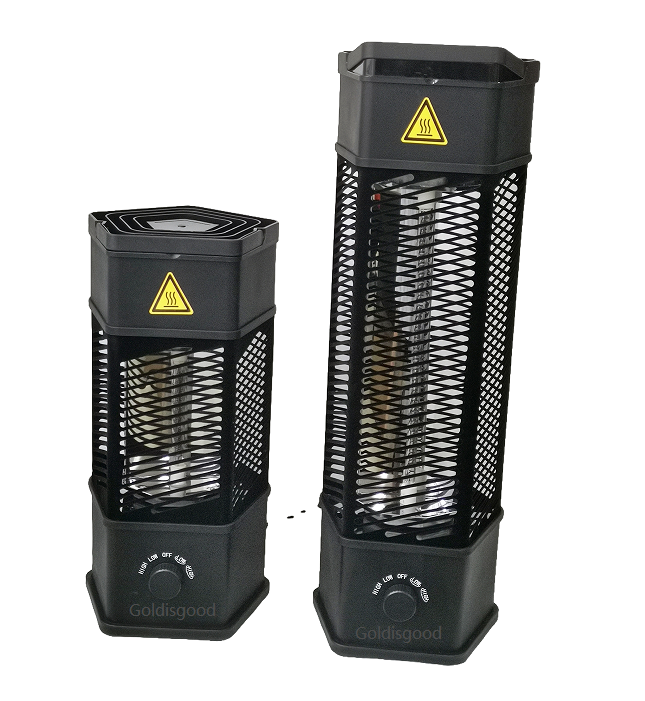
Ever tried changing your clothes in a freezing outdoor area? It’s miserable. You need heat, and you need it right now. That’s why we rely on shortwave infrared. Most heaters try to warm up the air, but in an open-air space, the wind just carries that warmth away before you even feel it. Infrared is different. It beams heat directly onto you and the surfaces around you. It’s like stepping into a patch of sunlight on a winter day. Dealing with the wet stuff When you’re dealing with pool decks or steam-filled changing rooms, water is always trying to find a way into your electronics. That’s why we build our units to an IP66 standard. In plain English? It means the housing is totally dust-tight and can handle high-pressure water jets hitting it from any angle. We use heavy-duty gaskets and sealed cable entries to keep steam and spray far away from the electrical terminals. If a seal fails, the heating element oxidizes and burns out. No one wants to be replacing heaters every few months. Instant warmth We use shortwave emitters because they’re fast. Really fast. The second you flip the switch, they hit peak temperature. There’s no “warm-up period” where you’re standing around shivering while the machine gets going. The heat is concentrated and cuts right through the cold air to warm your skin immediately. It’s that luxury, five-star feeling, instantly. A few tips on installation Here is the thing: these units pull a lot of power. You’ll want to make sure your wiring and breakers can handle that initial surge so you aren’t tripping the power every time someone wants to get warm. Also, keep in mind that while the insides are protected from water, the outside chassis gets hot. We suggest mounting them at least 2.5 meters up. This keeps people from accidentally touching them and helps the heat spread more evenly across the floor. Placement is everything. Put them too high, and you lose that punchy intensity. Put them too low, and you’ve just created a few scorching hot spots. Get the wiring right, put them in the right spot, and you’ve got a heater that just works—even when it’s pouring rain.