
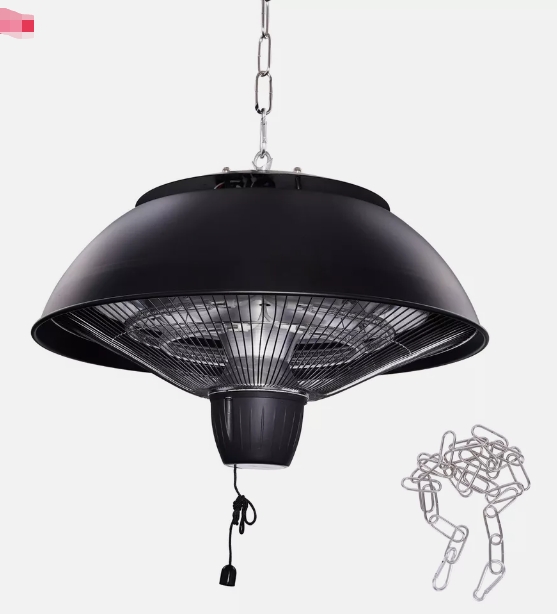
Keeping Your Bathroom Infrared Heaters Safe (and Your Toes Dry)
Putting an infrared heater in a bathroom is a bit of a battle against steam. It’s a brutal environment for electronics. One tiny leak in the insulation and you’ve got a short circuit or a ground fault on your hands. To keep things safe, we focus on two big things: making sure the connection points are airtight and ensuring the lamp housing can actually handle the stress.
Getting the Insulation Right
Here’s the thing about water vapor—it gets into everything. Standard housings just aren’t enough. We use IP-rated sealed enclosures to keep the live parts completely separate from the chassis. We also lean on high-temp silicone gaskets and epoxy potting for the wiring. Why? Because it stops “tracking.” That’s when moisture creates a little bridge for electricity to travel where it shouldn’t, which is usually what trips your breakers and leaves you shivering in a cold bathroom. And the wires matter too. We don’t use cheap plastic. We go with fluoropolymer or silicone-jacketed cables. They don’t crack or peel, even when they’re being blasted by heat one minute and soaked in steam the next.
The Tug-of-War Between Heat and Moisture
Shortwave lamps are great because they heat up instantly. But that heat is intense. It can actually bake cheap seals until they shrink and leak. To stop that, we use Viton or high-grade silicone. These materials stay put and keep their seal even when things hit 200°C. But wait—you can’t just seal the unit airtight. If you do, the internal electronics will cook themselves. It’s a balancing act. We add pressure-equalizing vents that let the unit breathe but keep the liquid water out. Simple, but it works.
The Absolute Must-Dos for Installation
When it comes to wiring these up, the grounding path is everything. It’s your final safety net. Every single chassis has to be bonded to a verified earth ground. No shortcuts here. If a seal ever fails and the element shorts to the frame, that electricity needs a fast, easy path to the ground. That’s what triggers the breaker instantly and keeps you safe while you’re stepping out of the shower.