
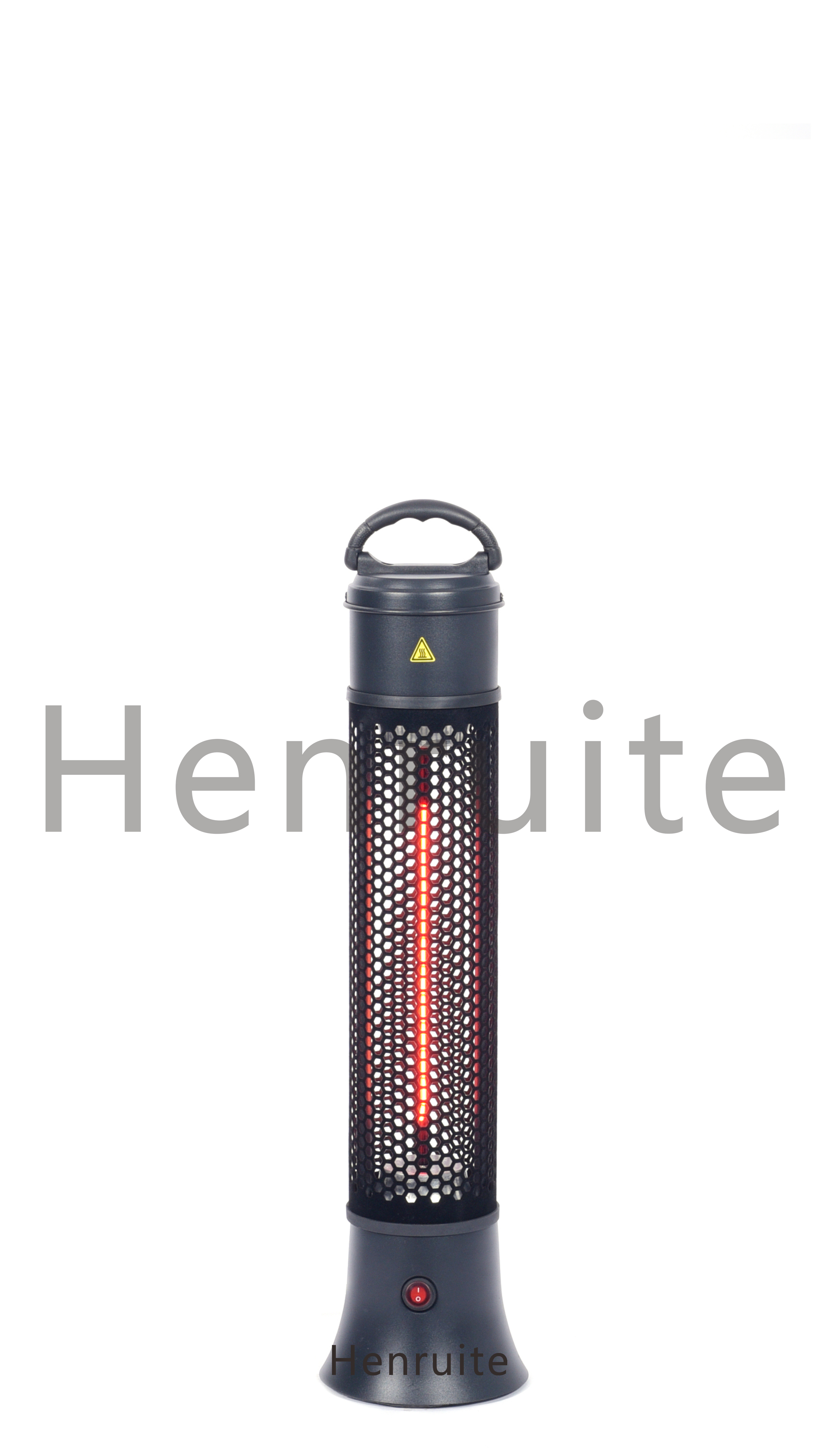
Let’s Talk About Bathroom Heat Lamps
Ever step into a chilly bathroom on a winter morning and wish you had some instant warmth? That’s where those infrared heaters come in. They use short-wave radiation to get you warm the second you flip the switch. But there’s a catch. When we’re designing these for homes, we have to think about safety. It’s not just about the heat; it’s about the light. This is especially true for babies, since their eyes are way more sensitive to certain light frequencies than ours are. Keeping Eyes Safe Standard halogen bulbs are basically light bombs—they throw out a ton of visible light and UV rays. That can be a lot for the eyes to handle. To fix this, we use spectral filtering. Think of it like a pair of high-tech sunglasses for the bulb. We use special quartz glass or thin coatings that block out the harsh “blue light” and UV rays. The result? You still get all that cozy heat, but without the blinding glare that makes you want to squint. The Tech Under the Hood We use high-purity quartz for the bulbs. Why? Because the filament needs to get incredibly hot, and regular glass would just melt. Here is the cool part: these lamps don’t actually heat up the air in the room. They warm your skin directly. That’s why it feels like a warm hug the moment you stand under it. One pro tip: make sure the housing reflects those waves back down toward you. Otherwise, you’re just wasting electricity heating up your ceiling. The Trade-off Now, nothing is perfect. When we filter out those harsh wavelengths to protect your eyes, we lose a bit of the brightness. You won’t get that stark, blinding white light. Instead, you get a softer, warmer glow. But it’s a bit of a balancing act. If we go too heavy on the filters, the lamp might actually feel less warm. We have to tweak the wattage just right so you stay toasted without compromising on safety. It’s all about finding that sweet spot.