Making Your Bathroom Heaters Actually Smart
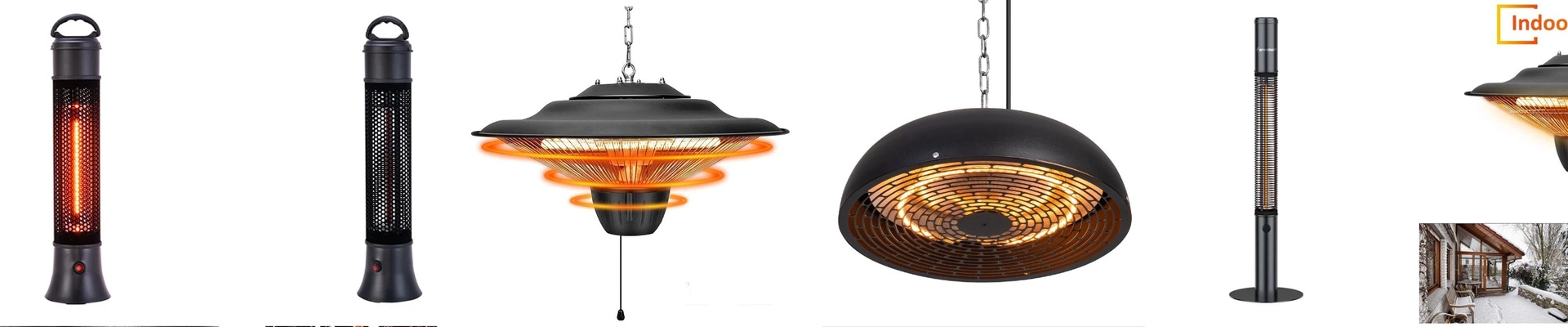
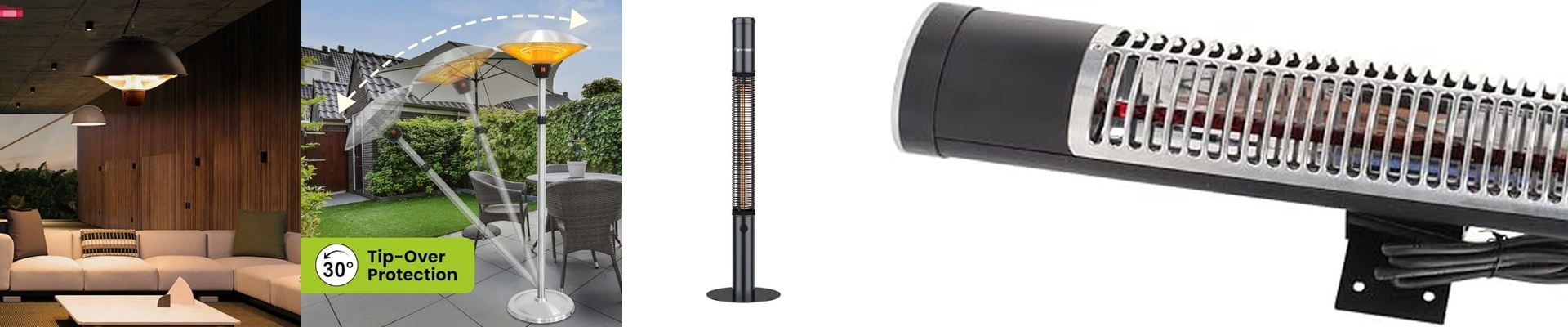
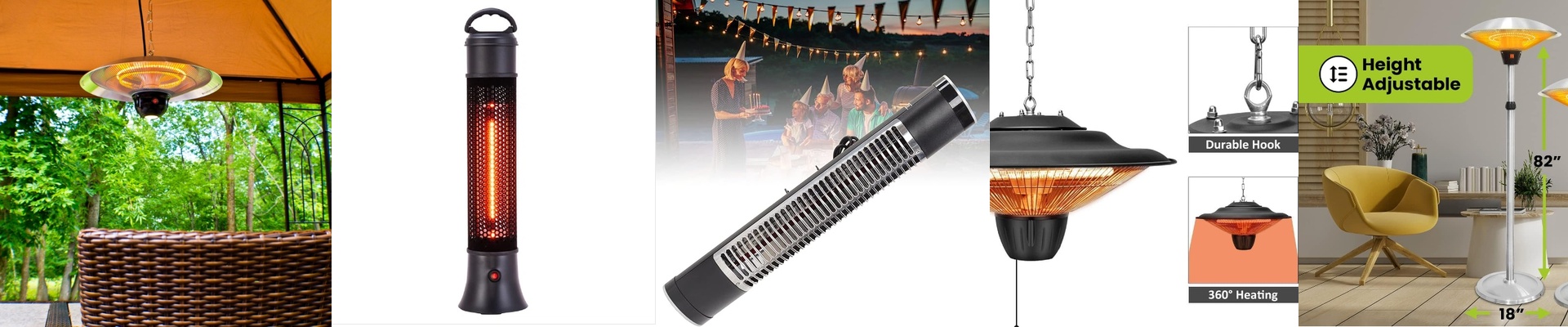
Let’s talk about that shivering walk from the bed to the shower on a freezing January morning. We’ve all been there. Most bathroom heaters just try to warm up the air, which takes forever and usually feels lukewarm by the time you actually need it. Infrared wall heaters are different. Instead of fighting the air, they send heat straight to you and the walls. It’s that immediate, cozy warmth you feel when you step into sunlight on a cold day. The magic of “instant” heat The best part about these things is that they don’t need to “warm up.” They’re basically on the second you flip the switch. But if you hook them up to a smart relay or something like Zigbee or Matter, you don’t even have to flip a switch. You can set your heater to kick in five minutes before your alarm goes off. By the time you walk into the room, the space is already toasted. No more waiting around in a bathrobe hoping the room catches up. The technical side (keep it simple) To get this working, you just need a smart gateway to act as the brain. But here is a heads-up: these heaters pull a decent amount of power—usually between 500W and 1500W. If you’re running a few of these off one hub, don’t cheap out on the relays. If the hardware is too small for the power load, you’re going to fry the contacts. It’s a simple chain: your app or a motion sensor tells the gateway, the gateway hits the relay, and the heater turns on. Easy. A few things to watch out for Now, smart switches can’t fix bad placement. Infrared heat travels in a straight line. If you tuck your heater behind a bulky towel rack or hide it in a weird corner, you’re just wasting electricity. You want a clear shot at the area where you actually stand. Also, bathrooms are wet. High-wattage gear and water don’t mix well unless your wiring is spot on. Make sure your GFCI breakers are up to code, or you’ll be tripping the power every time you take a shower. And one last tip: don’t overdo it. These things get hot fast, so make sure you’ve got a bit of ventilation so you don’t turn your bathroom into a sauna by accident.