Stop wasting money heating the air in your annealing ovens
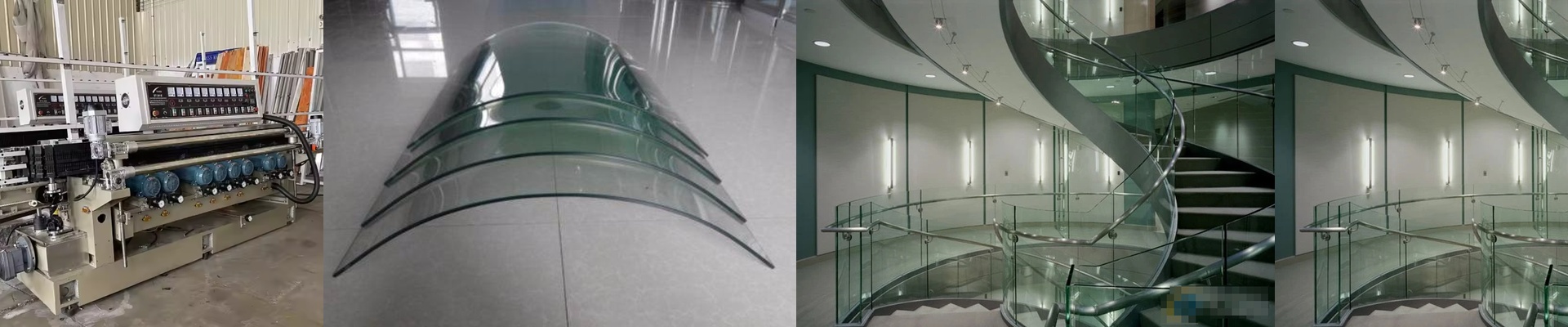
Let’s be honest: glassware annealing is usually an absolute energy hog. If you’re using traditional resistive ovens, you’re basically paying to heat up the oven walls and the air around the glass before the glass itself even feels a thing. It’s a waste. We’ve found a better way. Instead of heating the room, we use shortwave infrared (SWIR) lamps.
How it actually works
Here is the thing about SWIR: it doesn’t mess around with convection. The radiation goes straight through the surface of the glass and turns into heat right where you need it. It’s a completely different feeling. Your ramp-up time plummets. You get to that soak temperature way faster, and you have a much tighter grip on the cooling cycle. It’s just… efficient.
The gear you’ll need
For the heavy-duty lines, we usually go with high-wattage quartz halogen tubes. They’re tough. They can handle the constant stress of cycling on and off without giving up on you. If you’re dealing with a long tunnel, I’d suggest a high-voltage setup. It keeps the current draw down, which means you don’t have to run massive, chunky wiring across your entire floor. And don’t worry about a total teardown. We use standard R7s or SK15 connectors. You can just pop these into your existing rigs, tweak your PID settings, and you’re good to go. No need to rip out your control panel.
The catch (and how to fix it)
Now, there is one thing to watch out for. These lamps pack a massive punch of heat into a tiny space. Your energy bill will drop, but your cooling fans are going to have to work a lot harder. If your ventilation isn’t strong enough to pull that ambient heat away from the lamp ends, you’re going to fry your connectors. It’s a headache you don’t want. Always double-check your airflow before you crank everything up to full power. At the end of the day, this isn’t some miracle cure. It’s just common sense: stop heating the air and start heating the glass. That’s how you actually stop bleeding kWh every year.