

When winter settles in, the challenge isn’t just getting heat—it’s getting it fast, in the right spot, and on a circuit you already have. A plug-in wall heater should make life easier, not ask for a rewiring project.
What matters under the hood
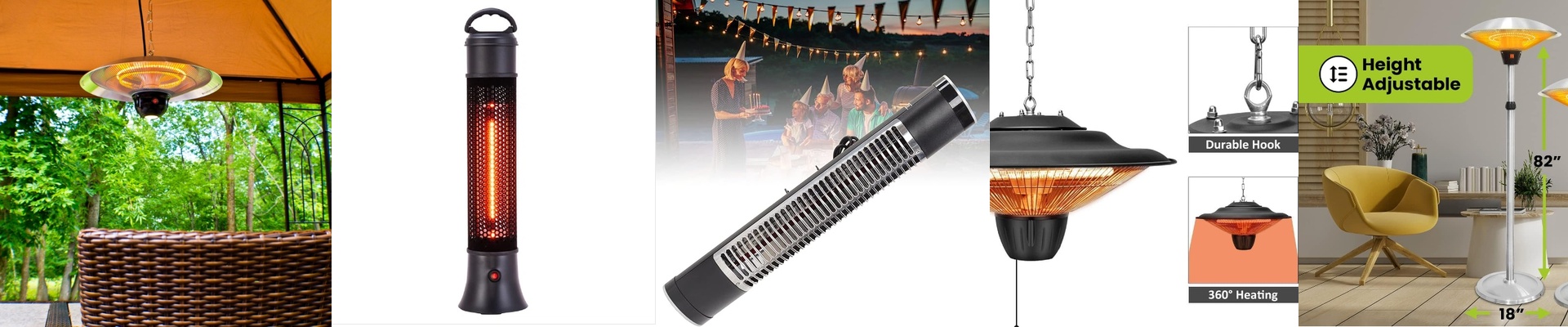
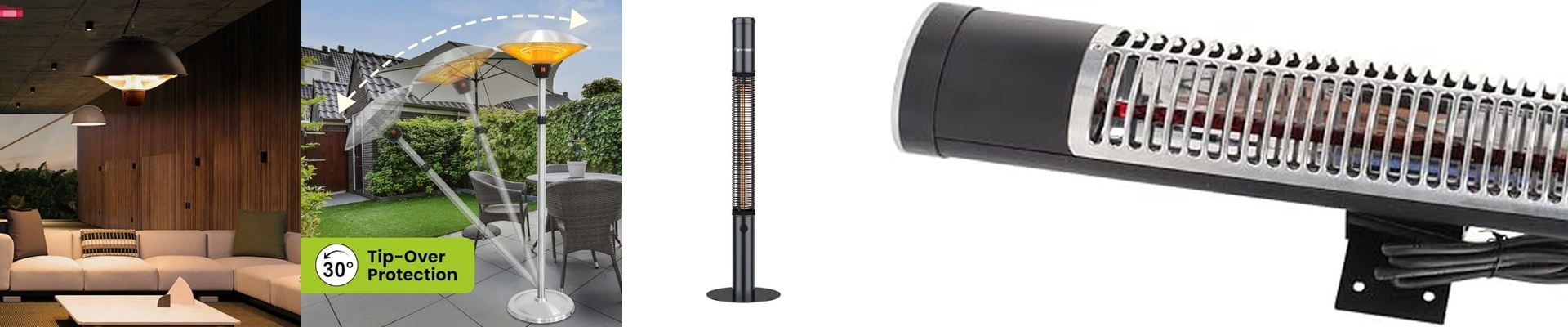
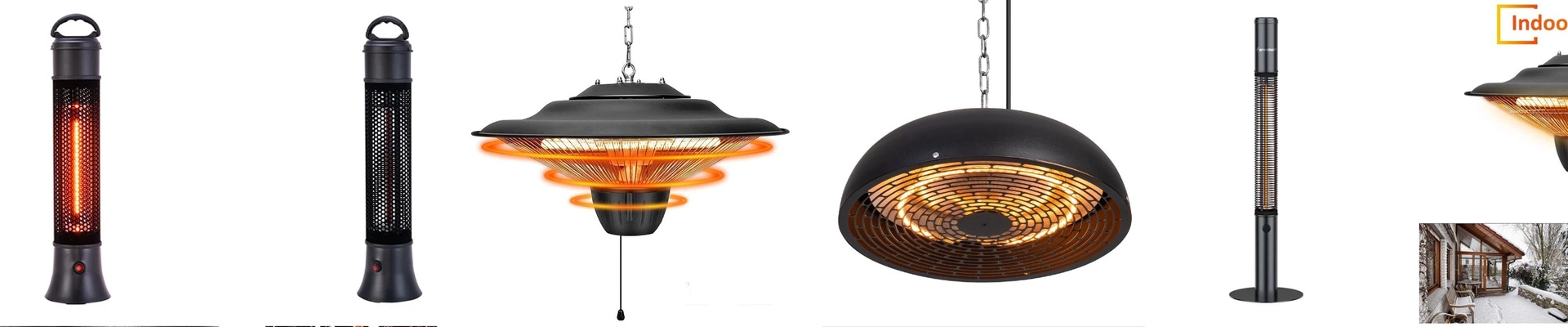
We build our infrared plug-in wall heaters around radiant warmth—heat that goes straight to people and objects, not the air around them. The core uses a quartz tube or a carbon fiber element to deliver that instant, directional punch. On the electrical side, we cover the full spread: 110–120V and 220–240V, so the unit matches the local circuitry. Wattage runs from 400W for tight spaces up to 2000W for larger rooms, giving you control over comfort and the load on the line. The back is set up for standard wall mounting, and the front stays compact so it doesn’t crowd furniture.
Why this fits the real world
Homes, rentals, and commercial spaces all run on different outlets and have different safety expectations. We offer global custom capability, so you can specify the voltage, plug type, and cord setup your market needs. Pick from common plug standards—NEMA, Schuko, UK 3-pin, and more—so installation is a matter of plugging in, not calling an electrician. That matters when you need heat in a workshop, a guest room, or a covered patio: the heater lands ready to match the local grid, and comfort starts the minute it’s up.
The practical details you can’t skip
A plug-in wall heater is convenient, but it still needs the right circuit. Match the wattage to a dedicated outlet when you can, and avoid long extension cords—voltage drop and overheating are real risks. Clearance matters, too. Keep combustible materials at a safe distance, and position the heater so airflow around the housing isn’t blocked. If the space is damp or outdoors, look for an IP rating that fits the exposure, and consider a model with tip-over protection and a built-in thermostat for steady, controlled warmth.