



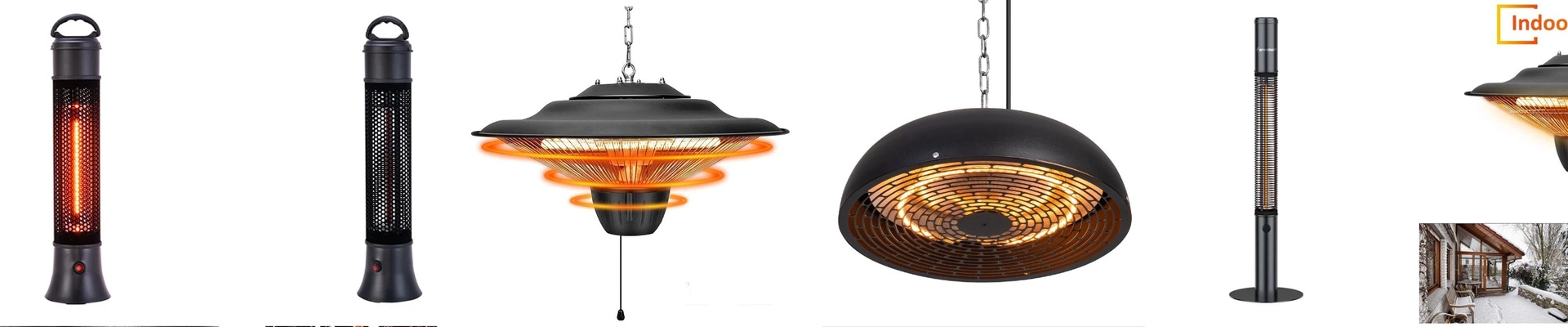

When it gets cold, your dog needs reliable warmth—no guesswork. A heater that stalls in the deep freeze leaves a dog shivering, and that sluggish startup usually points to an element that just can’t cut it when the mercury dips. The quickest way to size up an infrared dog house heater is to watch it fire up. A clean, near-instant glow tells you the element is pure and ready to work. What actually matters, technically Infrared dog house heaters lean on a radiant core to deliver warmth that feels like the sun, without moving air. A high-purity carbon fiber element lights almost immediately and hits operating temperature in seconds. Lower-grade blends or coil-based designs drag their feet, wasting time and energy. For a 120V electric heater, look for a quartz tube housing the element, a built-in thermostat to hold steady comfort, and safety features like tip-over protection. A tight IP rating keeps dust and moisture out—and that matters in an outdoor dog run. Why this approach works in a dog house The goal is stable, silent warmth that keeps joints comfortable and sleep undisturbed. Radiant heat warms surfaces and bodies directly, so your dog feels cozy even when the air is cold. Because the element lights fast and runs efficiently, you get consistent cycles, lower energy use, and fewer replacements. You also get peace of mind—no drafty pauses, no sudden cold snaps. A few practical notes Installation is straightforward, but space matters. Mount the heater where it’s protected from chewing and bedding, and leave clearance around the unit for airflow. Most models plug into a standard outlet, but match the wattage to your circuit so you don’t overload it. Keep the heater away from water sources, and follow the manual’s spacing guidance without cutting corners.