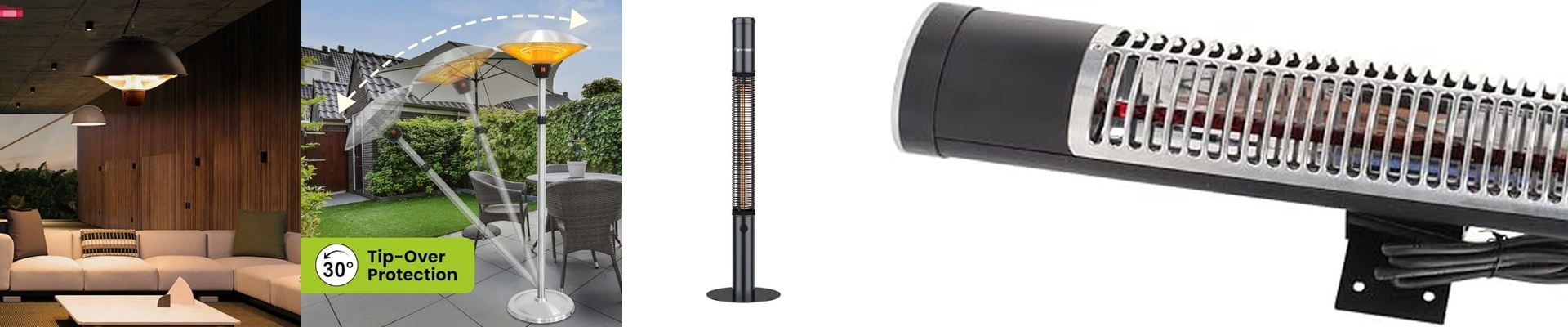
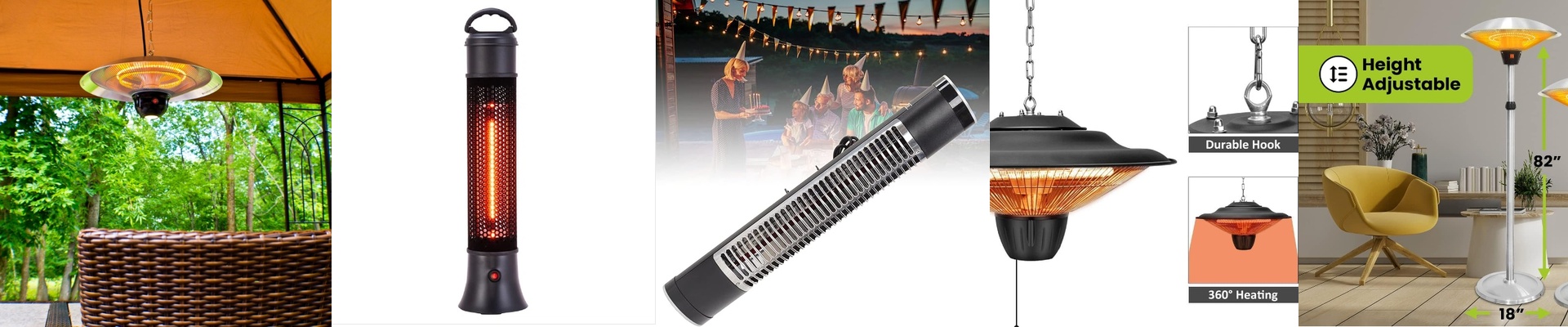
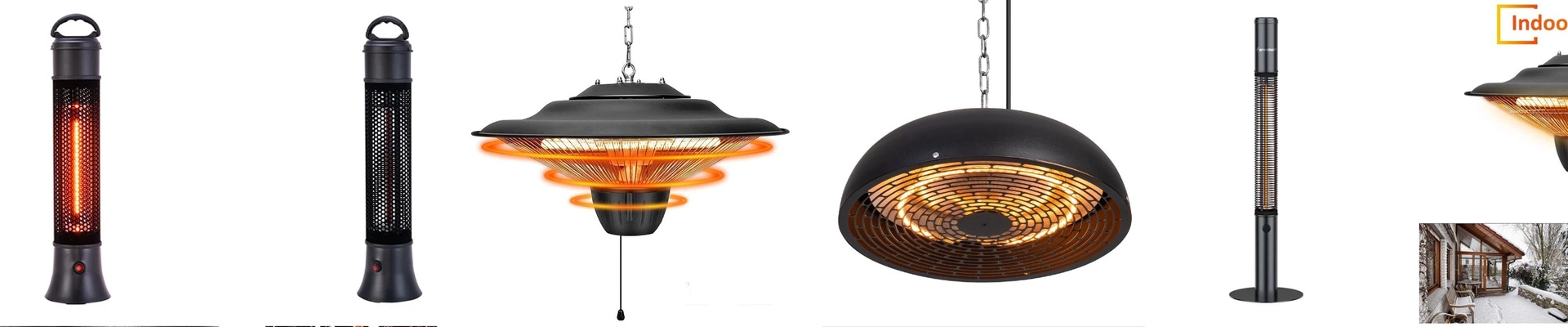
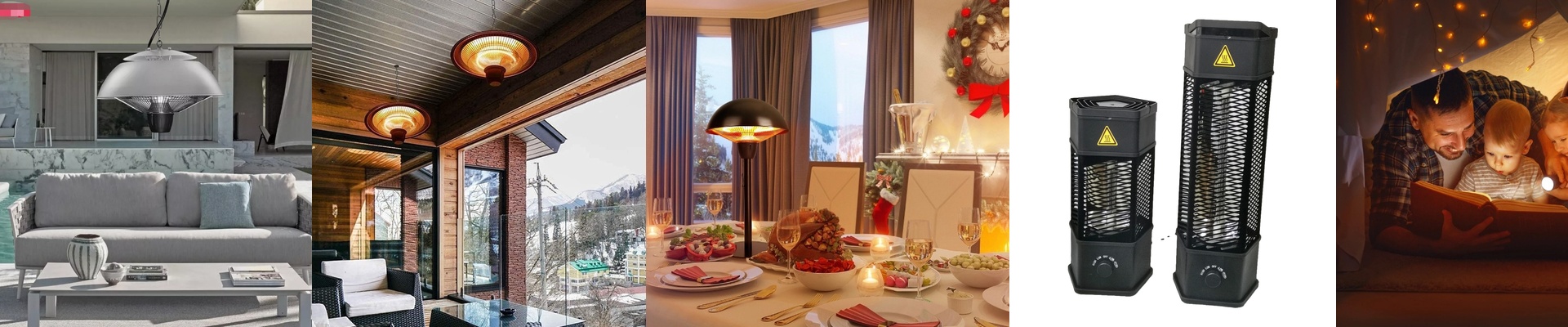


After walking through 2,000 European homes, one thing kept showing up: a sunroom is only as good as its heat. Glass and light look great, but comfort becomes a moving target—cold floors, drafty corners, and heaters that either roar or leave you sitting in a chill. We set out to build an infrared heater that makes the room feel steady, quiet, and honestly warm.
What matters under the hood
Sunroom comfort comes down to radiant heat, not just what the thermometer reads. We went with a carbon fiber element because it heats up fast and throws an even glow, then paired it with a short-wave infrared profile that delivers warmth where you feel it—on tables, chairs, and skin—without constantly reheating the air. The heater hits full output quickly, then settles into a consistent pattern. You notice warmth, not a blast of hot air. A built-in thermostat keeps the space from swinging between too hot and too cold, and the unit is built with safety in mind: tip-over protection and an IP rating that’s suitable for sheltered outdoor and sunroom use. In practice, that means you can put it where you actually live, not where the cord happens to reach.
Why this approach fits a sunroom
A sunroom sits between indoors and outdoors, and it’s always in motion. Traditional convection heaters chase air temperature, which brings noise, dust circulating, and that sudden chill when the sun drops behind the clouds. Infrared warmth stays consistent at the surface, so the room feels welcoming the moment you step in. You get more than comfort. Because the heat is directed where people sit, the energy goes farther instead of heating empty air. That means steadier comfort during shoulder seasons, fewer temperature swings, and a living area that stays usable earlier in spring and later into autumn.
What you need to know up front
Placement matters. For even coverage, give the heater a clear “line of sight” to the main seating area, and keep it well clear of curtains and furniture. Most homes can run this on a standard electrical circuit, but it draws significant current, so a dedicated outlet is the cleanest setup. The trade-off is straightforward: you get quiet, targeted warmth—and you plan for the power it needs.