

Stop Fighting Your Ceiling: A Smarter Way to Handle Infrared Heat
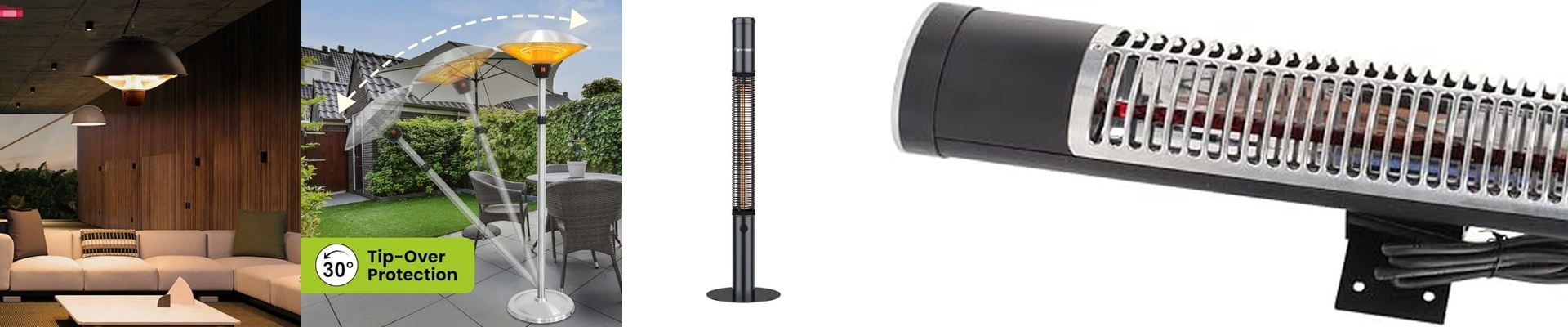
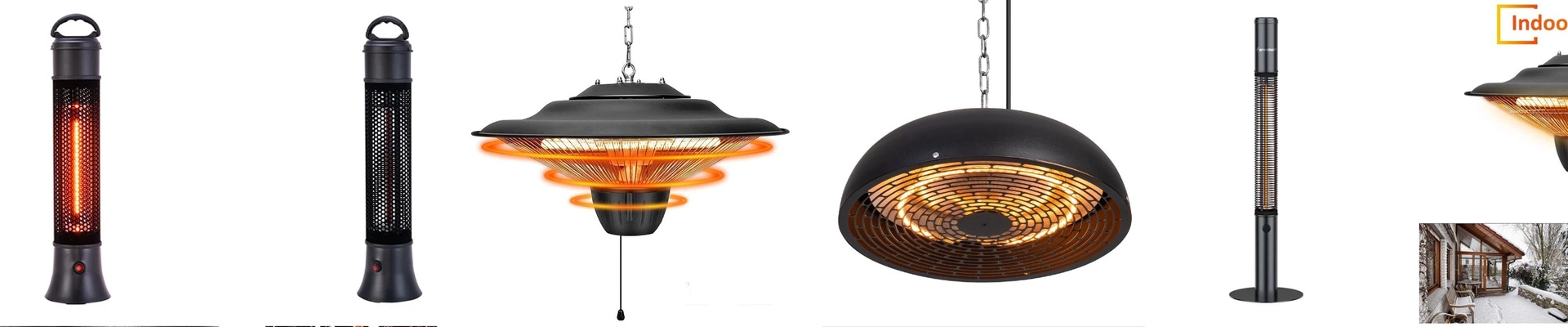
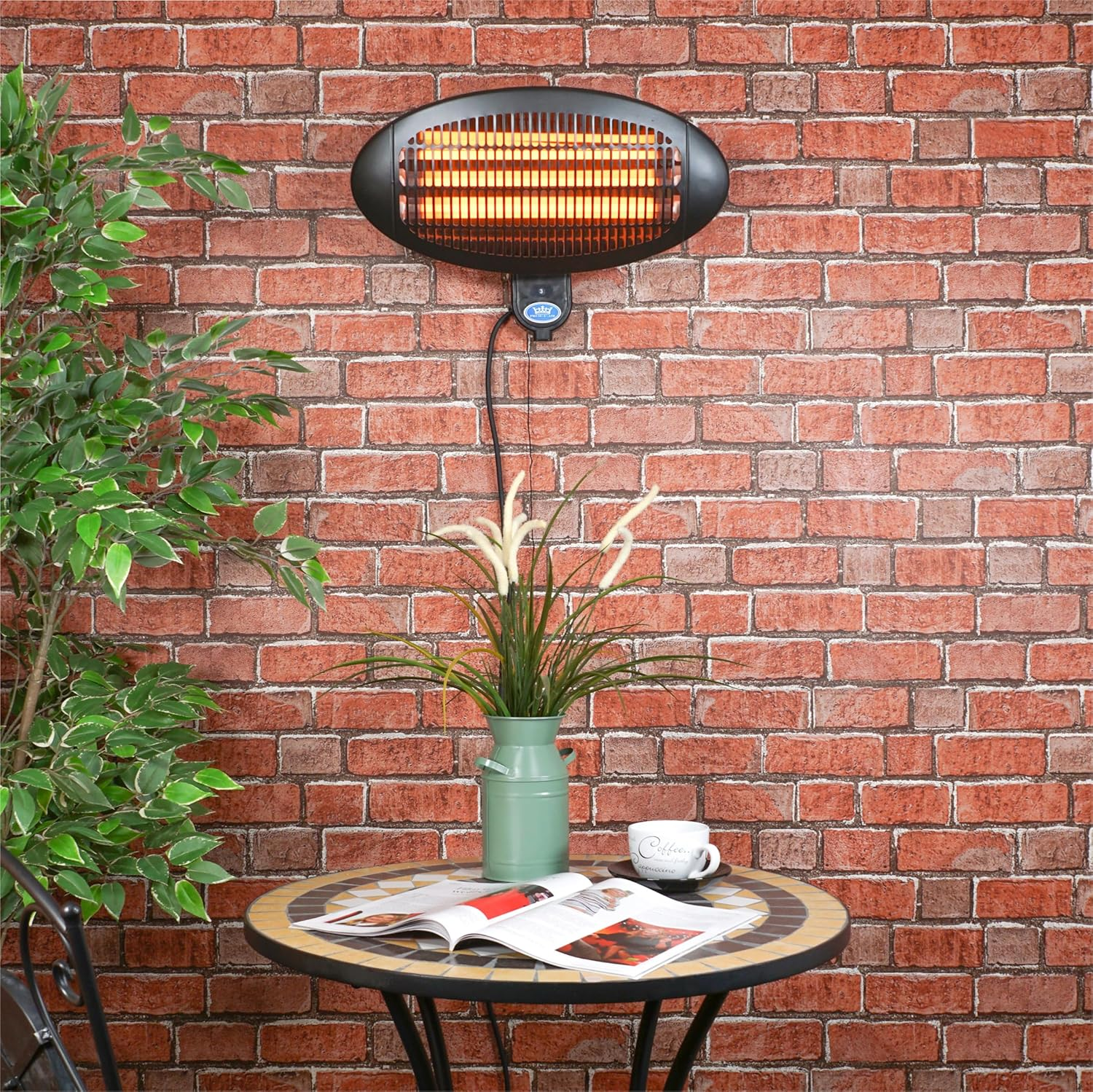
Let’s be honest: putting infrared heaters in a factory with 10-meter ceilings is a nightmare waiting to happen. Everything is great until a single heating element burns out. Then, suddenly, you’re scrambling for a scissor lift, blocking the warehouse floor, and stopping production just to swap out one tiny lamp. It’s a massive headache for a small fix. We got tired of that, so we changed how the hardware actually works. The “Pop and Swap” Method Most industrial heaters are built like one giant, solid block. If one tube goes, you’re often stuck pulling the whole chassis down. It’s clunky and slow. We did things differently. We moved to a modular setup where every heating element has its own slot and quick-disconnect terminals. If a tube dies five years from now, you don’t need to rewire the whole system. You just pop the dead module out and drop a new one in. It turns a four-hour ordeal into a fifteen-minute job.That’s a lot of saved time. Dealing with the Heat To actually get heat down to the floor in a drafty factory, you need serious power. We use high-wattage shortwave emitters to punch through the cold. But here’s the catch: that kind of intensity eats reflectors for breakfast. To stop them from dulling, we use gold-plated or high-polish aluminum. It keeps the heat moving in the right direction. And because these modules get incredibly hot where they connect, we don’t use cheap wiring. We spec everything with high-temperature silicone insulation. It keeps the jackets from melting or getting brittle and cracking over the years. Real-World Grit Factories are dirty. It’s just a fact. Dust builds up on the quartz tubes, creates hot spots, and eventually kills the element. It happens. But since the design is modular, you can swap a degraded element without messing with the rest of the array. My advice? Keep a few spare modules on a shelf. When a sensor tells you the output is dropping, just swap it out and keep the line moving.Simple as that.