
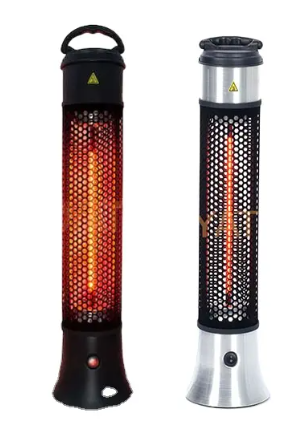
Making Your Outdoor Heaters Actually Smart
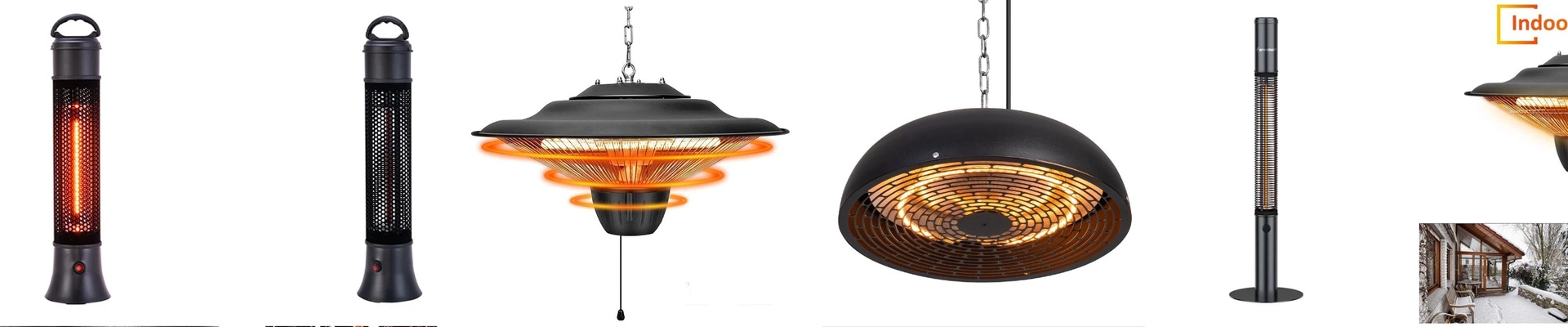
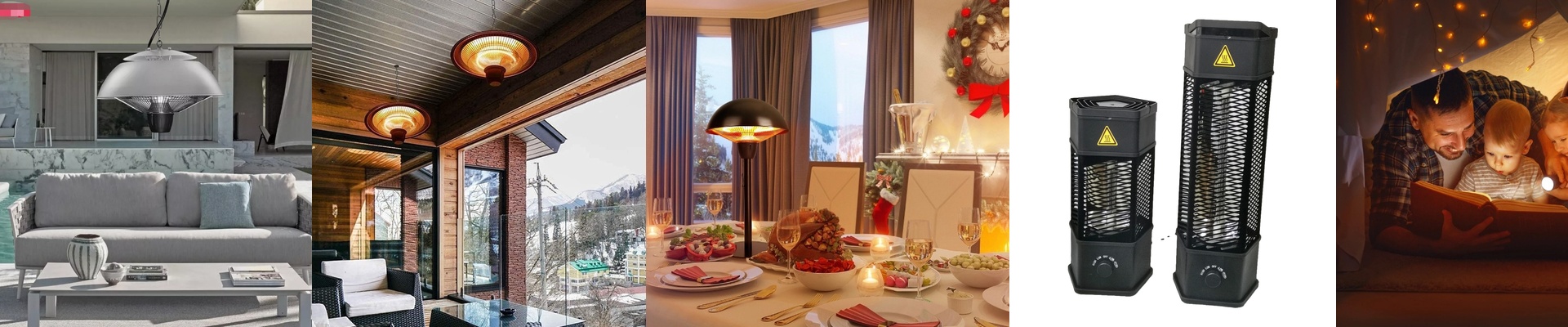
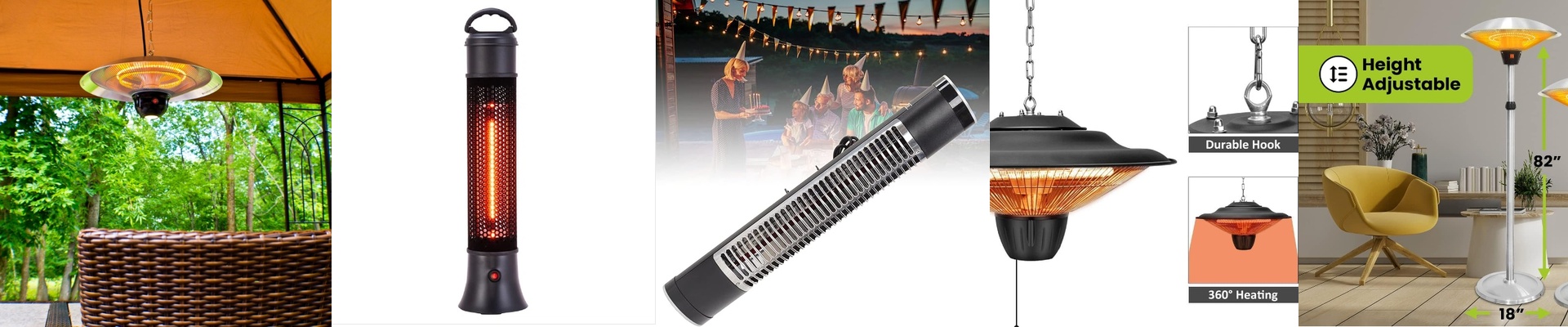
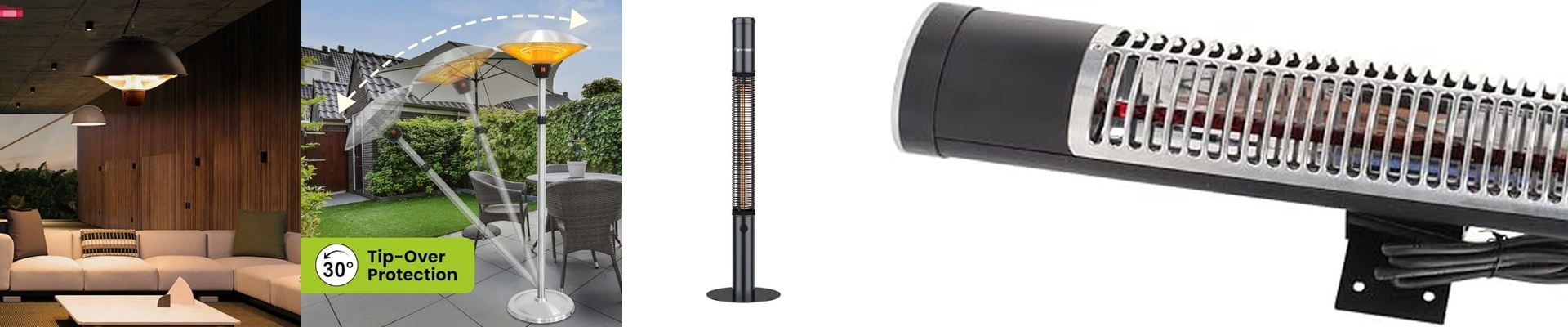
We build our infrared heaters to take a beating. That “IP55” label you see? All it really means is that dust and a bit of rain won’t kill the machine. It’s built for the outdoors, period. But the real magic happens when you hook these things up to a smart home system. You’re not just getting a fancy remote; you’re basically giving your patio a brain.
How it actually works
If you want that “one-click” warmth, you need a bridge. We usually put a smart relay or a Zigbee/Wi-Fi controller between the power source and the heater. It’s simple: you tap a button on your phone, the controller snaps a heavy-duty relay shut, and the heat kicks in. The best part is the physics. These aren’t like those old space heaters that try to warm up the whole room of air. Infrared goes straight for the target. It hits you and your guests directly. You feel the warmth the second the lamp glows. No waiting around for the breeze to stop or the air to shift.
A quick heads-up on the electrics
Here’s the thing: these heaters pull a lot of power. If you’re installing a few of them, don’t just plug them into any old outlet. You’ve got to make sure your wiring and circuit breakers can handle the load. We always suggest a dedicated circuit. Trust me, you don’t want your breakers tripping the moment you try to cozy up your backyard for a party.
The “What If” Factor
Automation is great, but electronics can be moody. If your Wi-Fi crashes or a cheap relay gives up the ghost, you’re left in the cold. That’s why we always tell people to install a physical override switch. It’s a simple backup. If the smart hub dies, you just flip a switch and you’re warm. And if you want to get really fancy, pair the system with an outdoor temperature sensor. You can set it to 10°C, and the heaters will fire up automatically. By the time you walk outside, the patio is already toasted.