Stop Losing Money Every Time the Temperature Drops
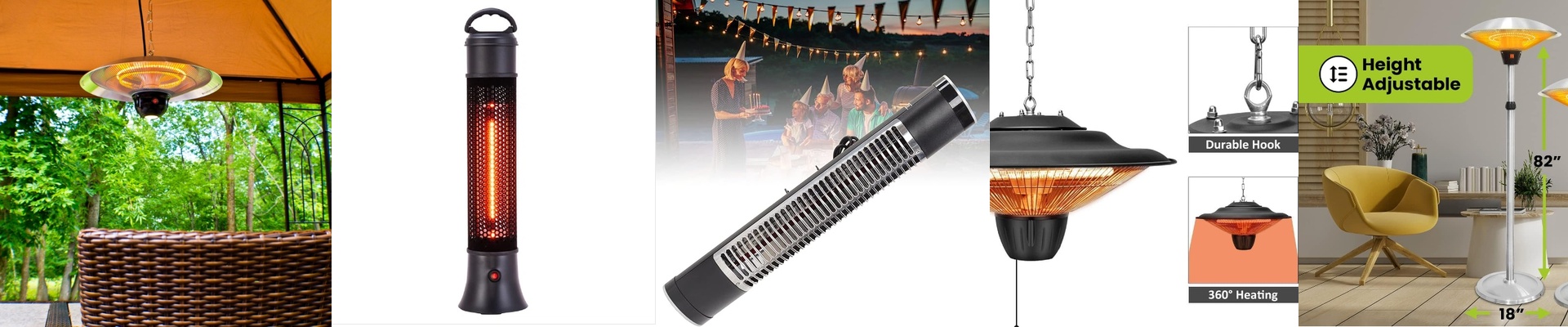
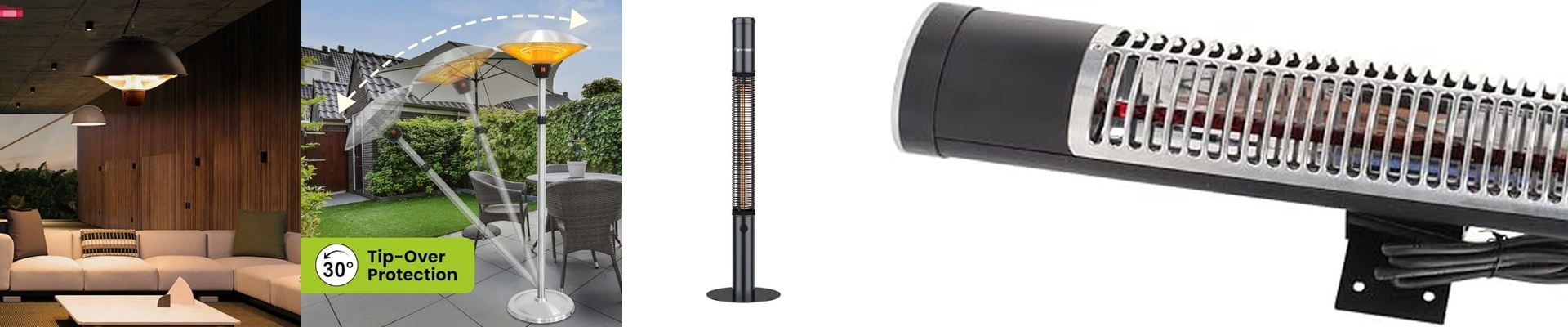
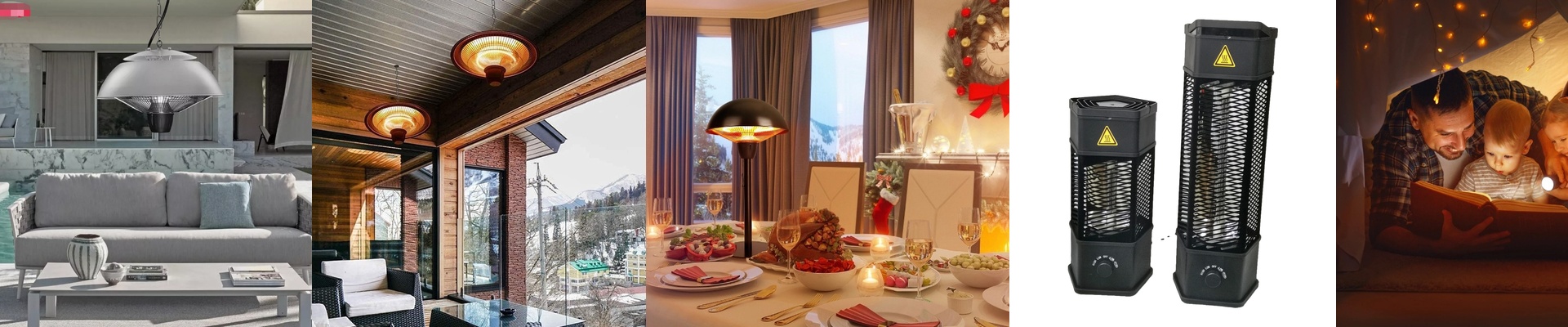
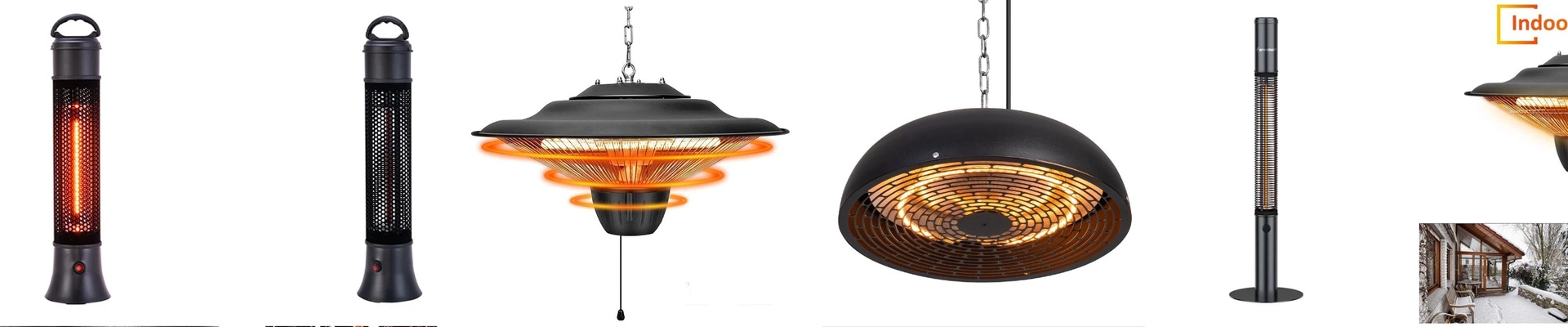
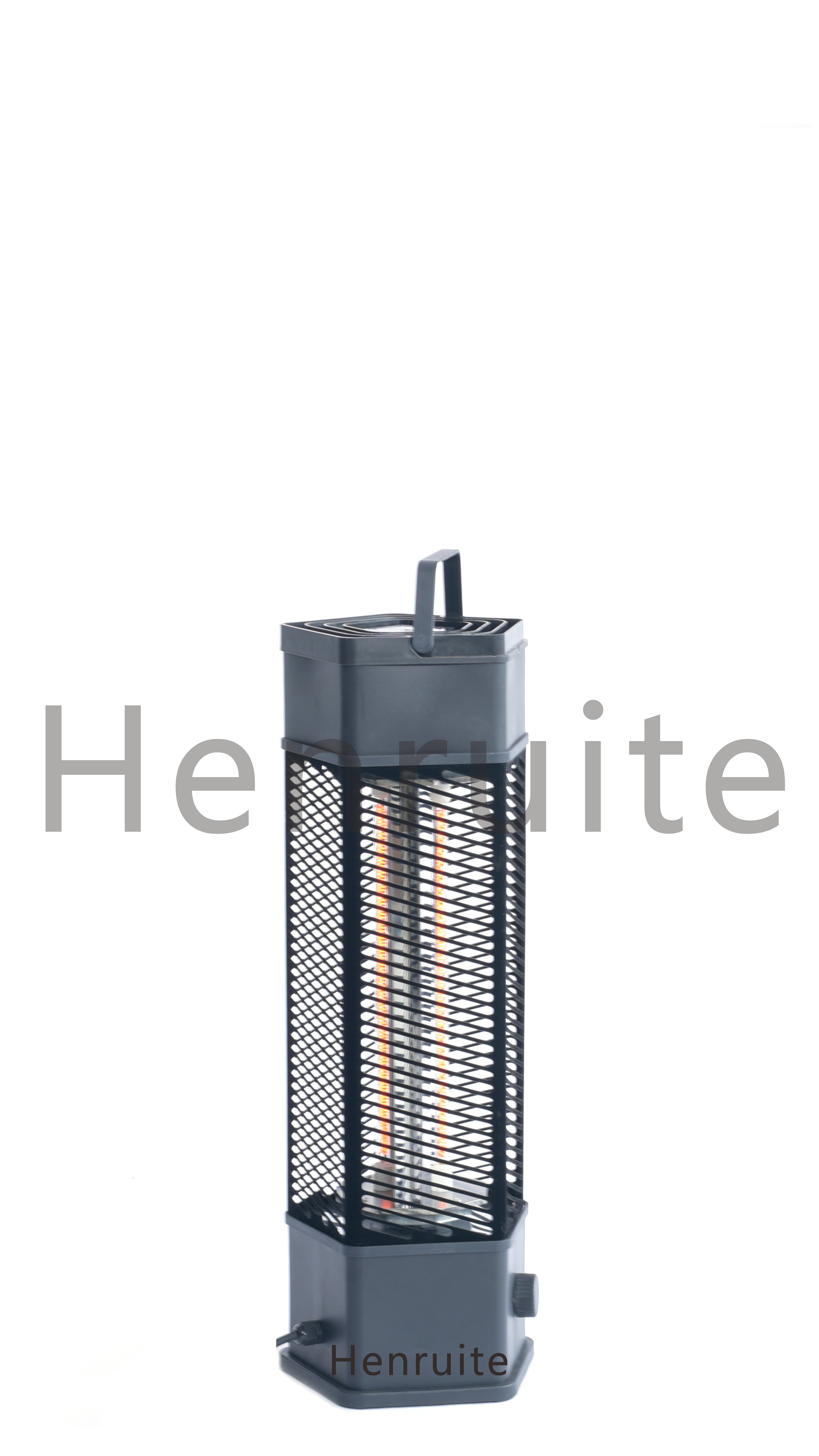
Let’s be honest: outdoor seating is a goldmine in July, but a ghost town in January. Most people try to fight the cold with those big forced-air heaters, but in an open space, that heat just floats away. It’s a waste of electricity and your guests are still shivering. That’s why we lean on ceiling-mounted infrared (IR) heaters. Here is the secret: they don’t bother trying to heat the air. Instead, they beam warmth directly onto your guests and their tables. It feels like sitting in a patch of sunlight on a crisp day. When people actually feel warm, they stay. The trick is all in the placement. If you hang these units too high, the warmth spreads out too thin and nobody notices. But if they’re too low? You get “hot spots.” Nobody wants to feel like they’re being grilled while eating their appetizer. We spend a lot of time figuring out the “sweet spot” for the mounting height so the warmth feels steady and natural across every single table. A quick heads-up on the technical side. Before you start bolting things to the ceiling, check your electrical panel. These heaters pull a lot of power. There is nothing worse than a packed Friday night dinner rush only for the breakers to trip because the wiring couldn’t handle the load. You’ll also see a choice between short-wave and medium-wave elements. Short-wave hits you instantly—perfect for a quick burst of warmth. Medium-wave sinks a bit deeper into your clothes. Depending on your climate, one might work better than the other. Why this actually matters for your bottom line. Cold customers leave. It’s that simple. They finish their main course and bolt for the door. But when the patio feels cozy, people linger. They order that second glass of wine. They actually look at the dessert menu. Plus, you’re getting use out of your entire footprint all year long without having to actually build a bigger restaurant. One last thing: since IR heaters don’t warm the air, a nasty wind can still strip that warmth away. If your patio is a wind tunnel, you’ll want to put up some windbreaks. Keep the breeze out, keep the heat in, and keep the tables full.