Infrared Cubicle Heaters: How Smart Sensors Keep Energy Use in Check in Semi-Open Commercial Corridors
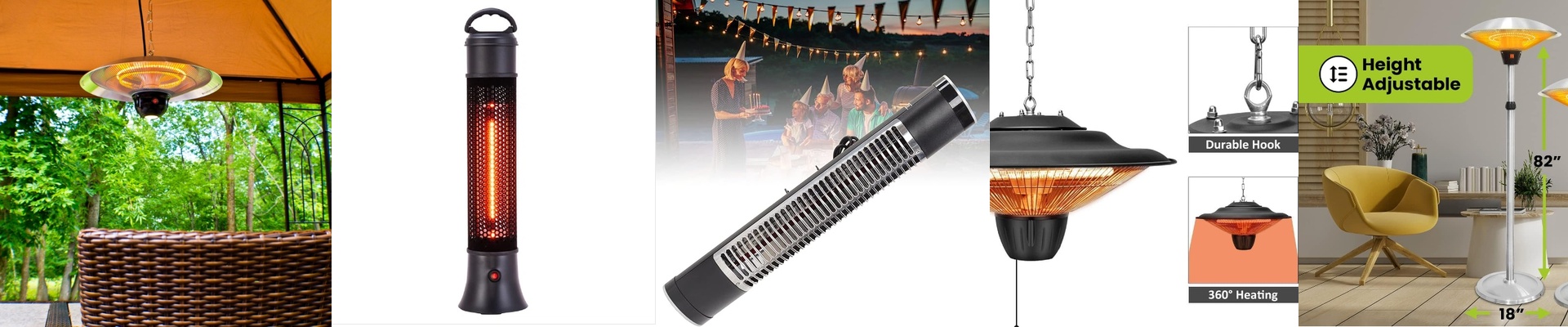
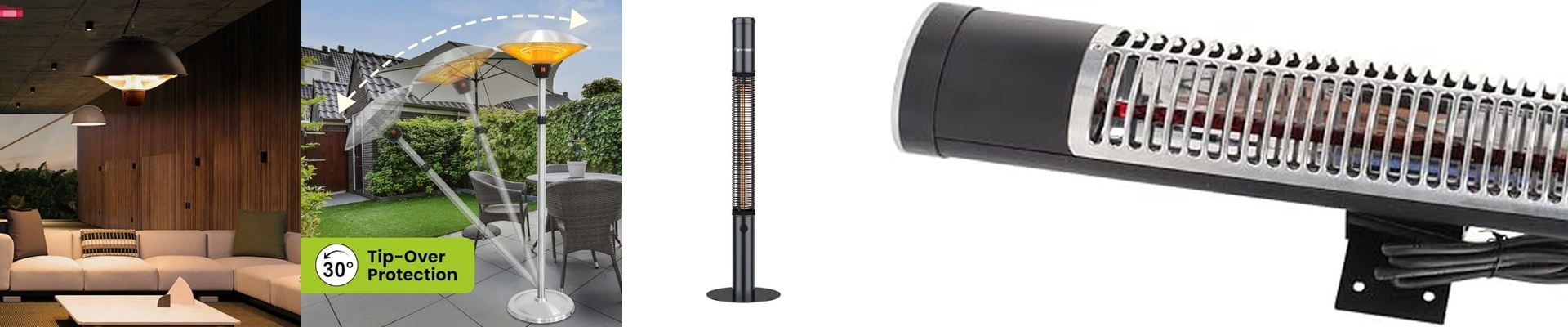
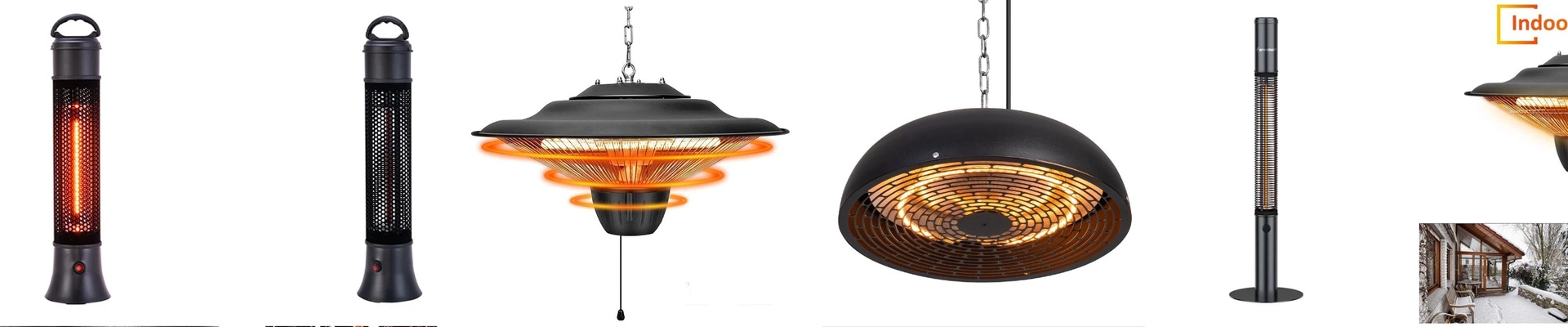
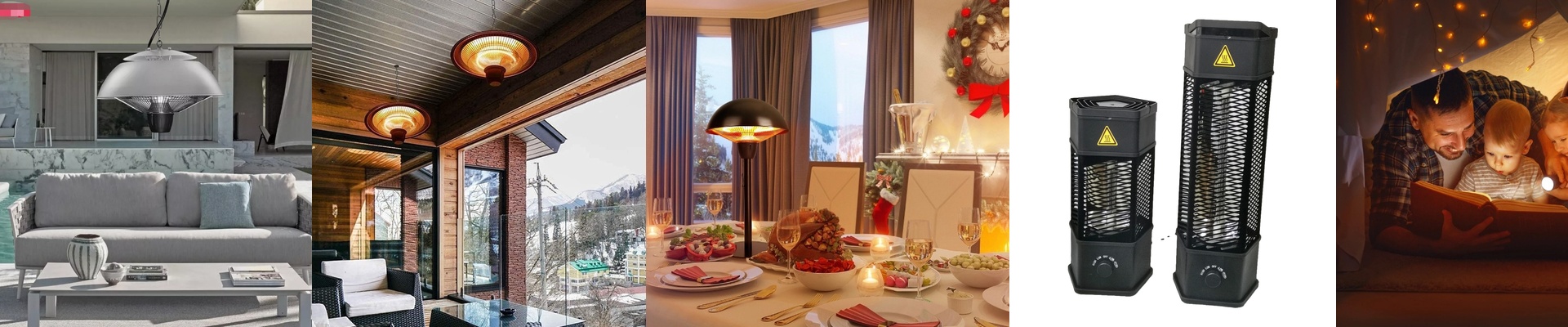
We designed these cubicle heaters for the tricky spots—those semi-open commercial corridors where drafts and foot traffic make heating feel like trying to hit a moving target. Our infrared heaters don’t waste energy warming empty air. They send direct radiant warmth straight to people and surfaces. So you get comfort exactly where you need it, without the energy drain.
Power, Voltage, and the Specs That Matter
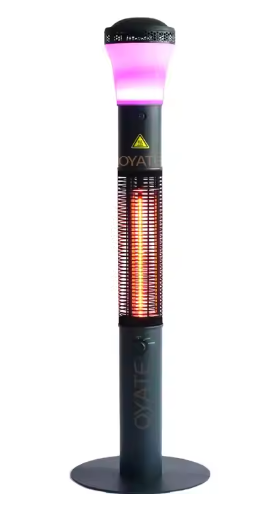
We built these to deliver just the right amount of heat for corridor life. Most units run on 220–240V or 380–400V, with power ranging from 1500W to 2500W. That voltage range keeps things steady across commercial power lines, and it eases the load on the circuit. And the footprint? Intentionally compact. The tubes are typically 300–600mm long, so you can mount them close to where warmth is needed without eating up walkway space. Short, focused, and easy to install.
Materials and Design: The Details That Hold Up
Inside, you’ve got a quartz tube housing a halogen element. Quartz handles quick temperature swings without cracking, and the halogen element keeps output steady over time. Then there’s the reflector coating. It redirects infrared energy forward, so you get more usable intensity and less wasted heat. For the electrical side, we use R7s or SK15 connectors. They give a solid connection and make replacement quick when a tube finally reaches the end of its run. Maintenance stays simple, not stressful.
Smart Sensors, Real Efficiency, and What to Keep in Mind
In semi-open corridors, the smart sensor is where the magic happens. It uses motion and occupancy detection to run the heater only when the area is in use. When traffic drops, power is reduced and the unit holds a standby state. No point fighting constant heat loss. You keep comfort high and cut the unnecessary runtime. Now, the trade-off: high heat density means you have to manage ambient heat buildup. Make sure the enclosure and nearby equipment get proper ventilation, or you’ll shorten component life. Good airflow keeps the electronics cool and keeps the quartz tube stable. For you, that translates into lower operating costs, fewer service calls, and a heater that can handle the daily grind. For us, it means a design that proves itself where it matters most—on the shop floor.