Making Steam Bakery Ovens Actually Stable
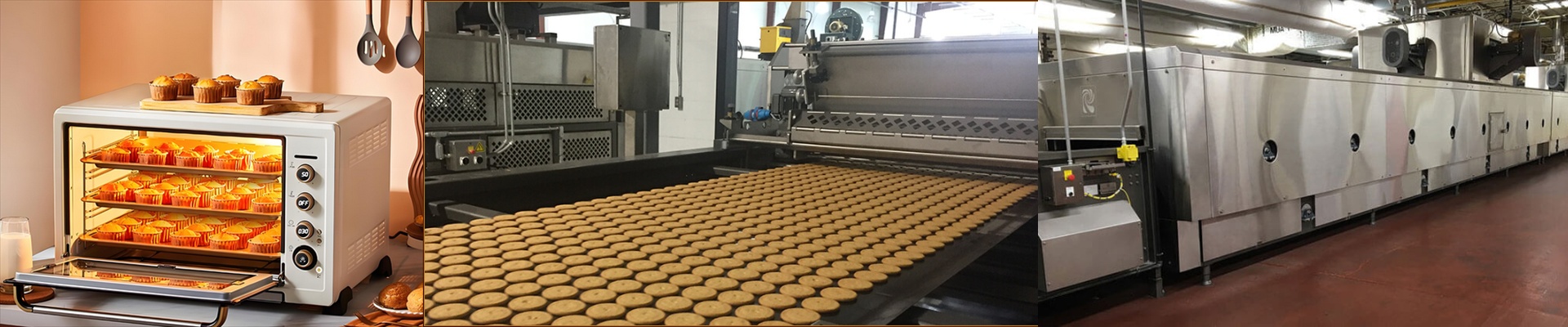
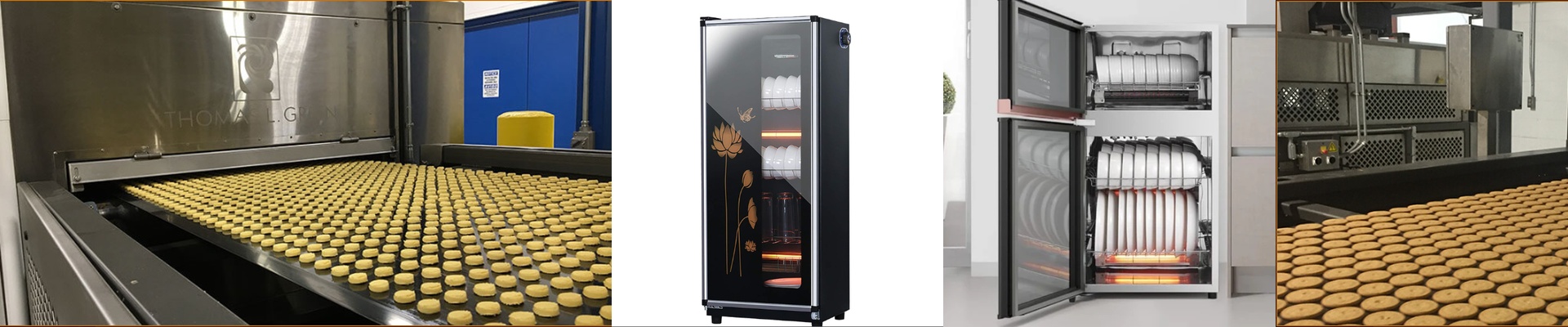
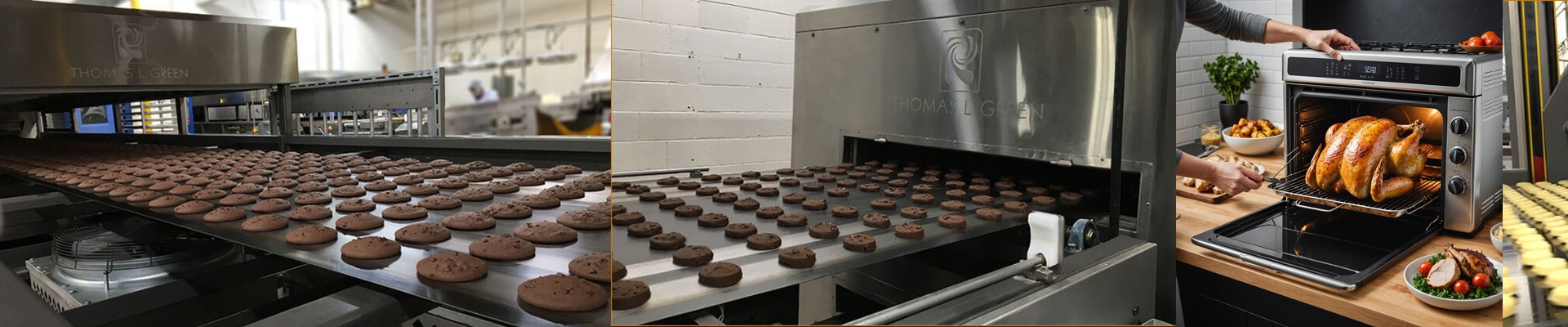
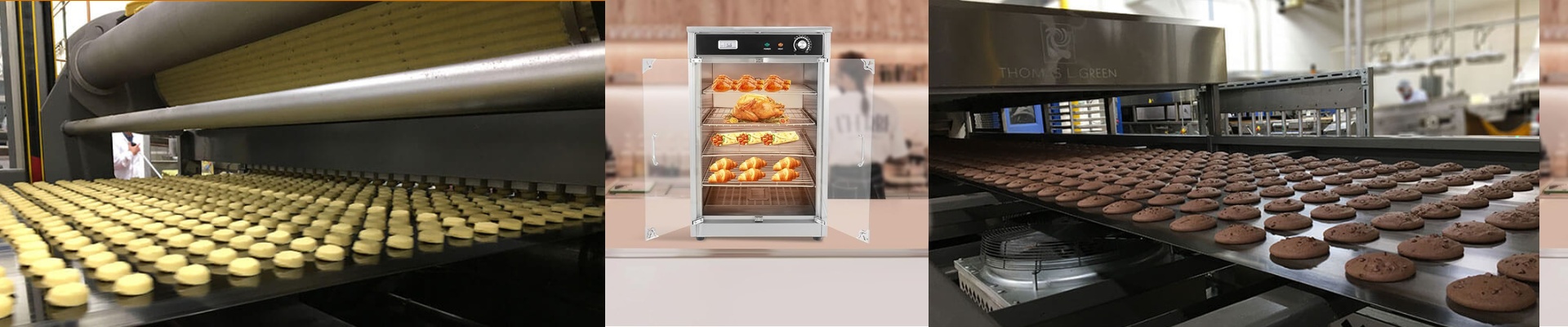
Let’s be honest: steam ovens are brutal on heating elements. You’ve got thick humidity and wild temperature swings fighting each other all day. Usually, that’s a recipe for elements that burn out way too early or heat that just won’t stay consistent. We stopped fighting the steam and started using infrared (IR) quartz lamps instead. Why? Because they blast radiant heat directly onto the product. They don’t care how dense the steam is or what the air is doing—they just work. Getting the heat right If you want a bakery oven that doesn’t act up, you need speed. IR lamps hit their target temperature almost instantly. It’s fast. Really fast. We figure out the wattage per centimeter based on the dough, making sure the heat gets deep inside without scorching the top. High-wattage tubes give you that punch for a perfect crust, but you’ve got to watch your PID controllers. If your sensors are sitting too far from the element, you’ll overshoot your temp and end up with burnt bread. Fighting the moisture Standard filaments just can’t handle steam. They quit. To fix this, we wrap the tungsten filament in high-purity quartz glass. It keeps the oxidation away and locks out the moisture. Here’s the tricky part: the end-cap seals. That’s where most lamps fail. We use specialized glass-to-metal seals to keep steam from leaking inside. Without those, the filament will just snap the moment the temperature cycles. Setting them up The good news is these lamps are basically drop-in replacements for most industrial oven footprints. You just wire them to a switching relay or a thyristor if you want to dim them for more control. But a heads-up: IR lamps create some intense, localized heat. It’s a bit of a trade-off. You need to double-check that your internal wiring and sockets can take the heat without melting into a puddle. Also, give your racks some breathing room. Proper spacing is the only way to make sure you don’t get those annoying hot spots on your bake.