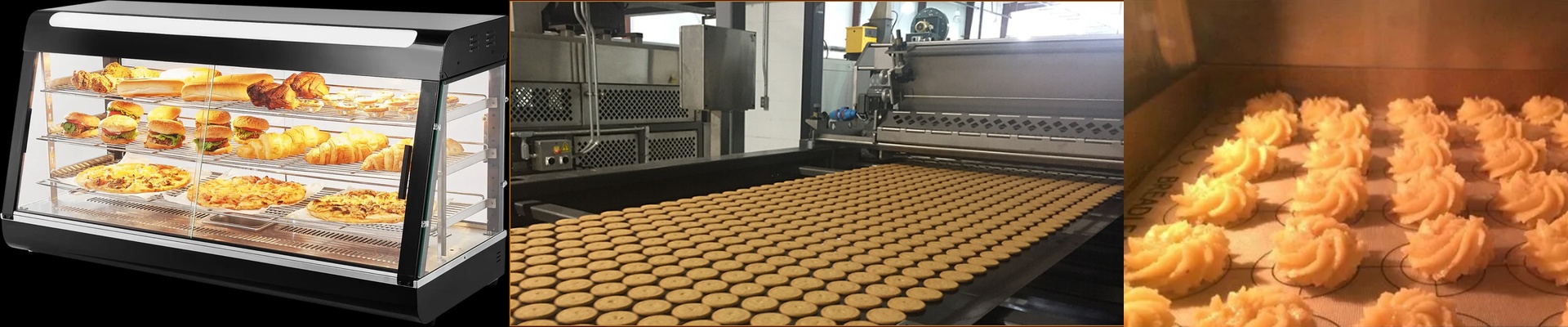
Stop the Bottleneck: Speeding Up Your Baking Line with Infrared
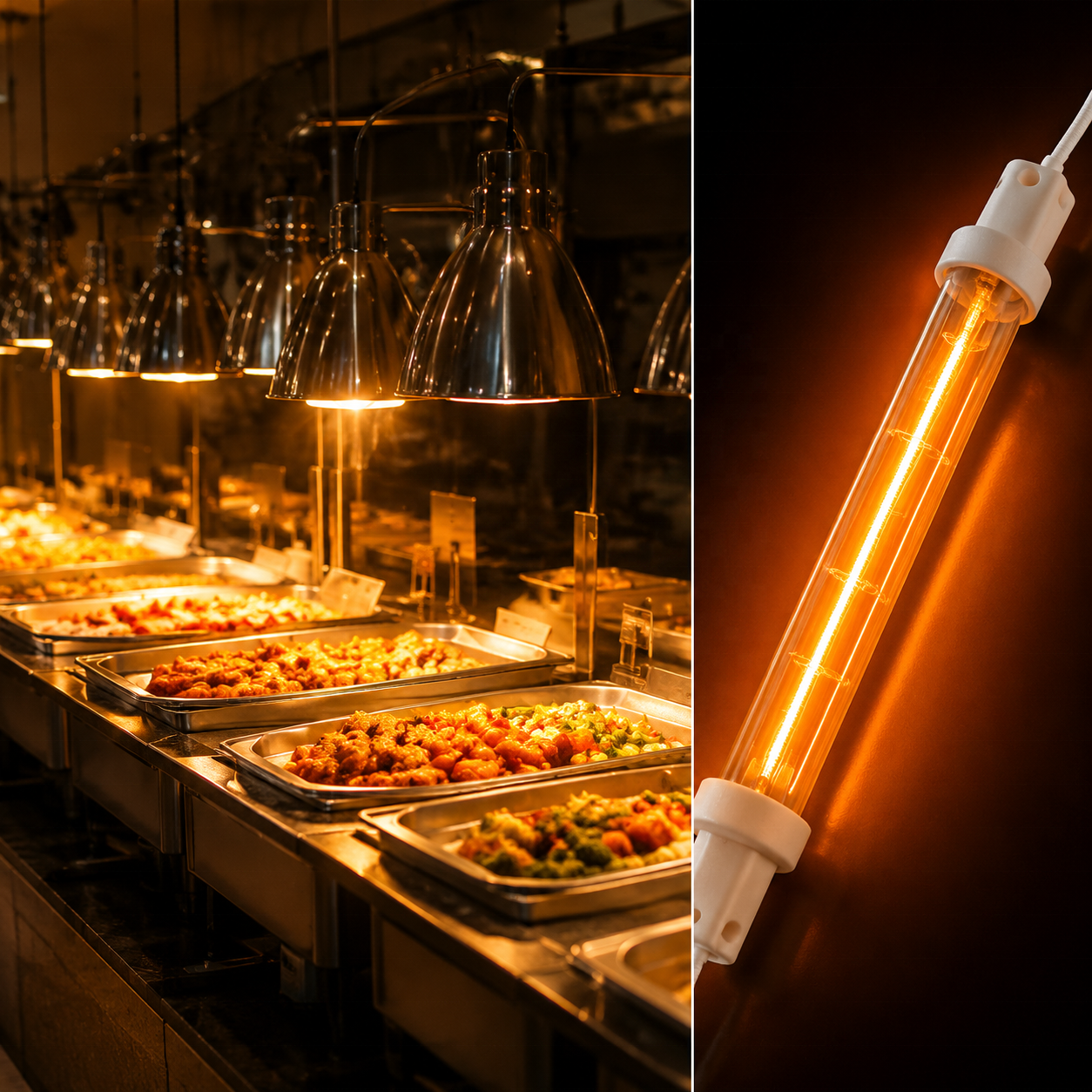
Ever feel like your heating bridge is the one thing holding your entire production line back? You want to push more parts per minute, but you don’t have the floor space to just keep adding conveyor belts. Standard resistive heating usually hits a wall here. That’s where short-wave infrared (SWIR) comes in. Instead of waiting for the air to heat up, these lamps blast energy straight onto the product surface. It’s instant. The power side of things To really crank up the speed, we lean on high-wattage quartz halogen tubes. We’re basically packing a massive amount of power into a tiny space. This means your product hits the target core temperature in seconds, not minutes. If you go with a high-voltage setup, you can push more wattage through the bridge without worrying about overloading your rails. But a word of caution: all that heat has to go somewhere. Make sure your housing is vented properly. If you don’t, you’ll end up frying your own wiring and killing your lamps way too early. The gear that actually lasts We use quartz glass for the envelopes because it can handle the shock of rapid heating and cooling without cracking. Inside, there’s halogen gas that stops the filament from evaporating. It keeps the heat steady for thousands of hours, so you aren’t swapping bulbs every other week. For the connections, we usually stick with R7s or Sk15. They’re easy to swap into most industrial sockets and they fit tight. That’s important because when the line starts vibrating, you don’t want your connections rattling loose and causing arcs. What this does for your speed The best part? You get rid of that annoying “warm-up” lag. The second the product hits the bridge, the heat is on. You don’t need those giant, oversized heating chambers anymore. Everything is tighter and faster. Now, there is one catch: because it’s so powerful, the window for perfection is smaller. You’ll want a fast PID controller to keep things dialed in, otherwise, you might scorch the surface while you’re ramping up the line speed.