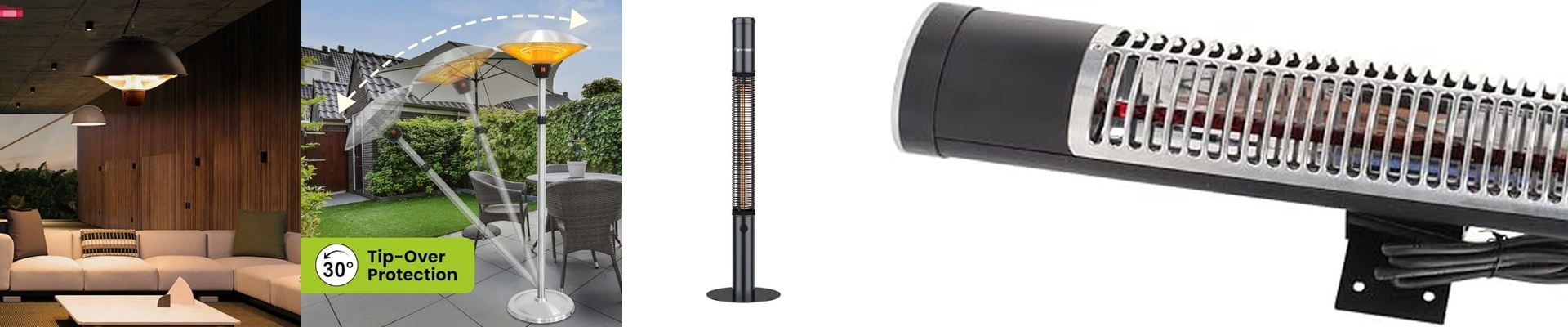
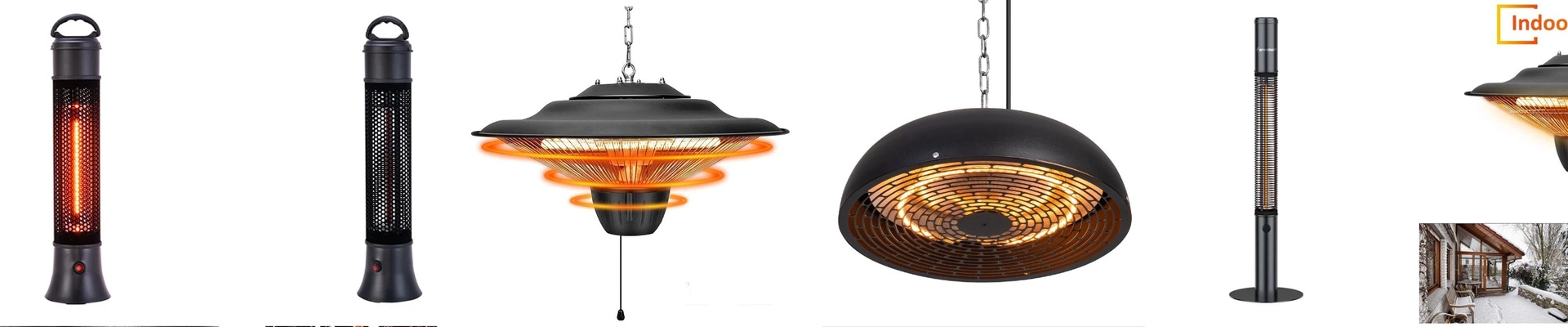


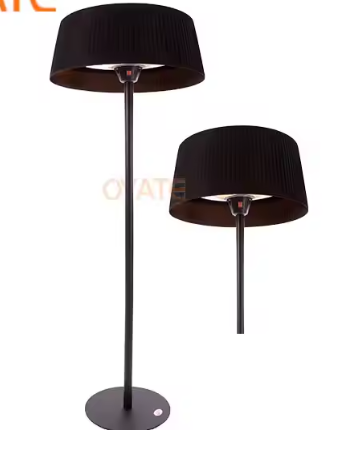
Why these infrared attic heaters are a smart move for commercial buildings
Here’s the thing about commercial attics: they need heat, but they don’t need to heat the whole empty space. That’s exactly why we built our high-efficiency infrared attic heaters. They put warmth right where you need it—on the surfaces that matter—using shortwave infrared that works like the sun warming the earth. Instant. Direct. No wasted energy.
The power, voltage, and practical details—plain and simple
How much heat you get comes down to electrical input and how the filament is designed. We built our heaters on a 400V platform because it pulls less current than lower-voltage options. Less current means smaller wiring runs, less voltage drop across longer distances, and lower losses in the system. The intensity of the heat is about wattage and the size of the heating element. We use a compact tube that focuses the energy into a tight beam, so you get serious heat where you point it. That’s a big win for attics—you can keep equipment from freezing or hit cold spots without trying to heat the entire volume. But with high heat density comes a little reality check: the mounting spot needs airflow and clearance, and the materials nearby should be able to handle the localized warmth. Plan for it, and it just works.
What’s inside: elements, coating, and connectors that earn their keep
Inside the tube, the halogen cycle does its job inside a quartz envelope. The halogen gas helps slow down filament evaporation, so output stays steady over time and the unit lasts longer. Quartz handles rapid heating and cooling without complaining and sends infrared efficiently. We also added a specialized coating on the tube. It helps control how the heat is emitted and protects against the gritty reality of attics—dust, humidity, and condensation that would otherwise wear an uncoated element down. For the connector, we chose an R7s because it gives you a secure, high-temperature connection with low contact resistance. It’s meant to be installed and removed again in tight spots, and it helps prevent hot spots at the terminal.
Installing and running them—engineer-level, but not a headache
Attic spaces are tight by nature. So we kept the design compact and mounting straightforward. You can wire it in without fighting structural supports or major ductwork. And the payoff is real. Targeted heating means your HVAC doesn’t have to run as much, which cuts kWh use and supports sustainability reporting. Less energy used helps with ESG and lowers operating costs. One thing to keep in mind: infrared heat travels in a straight line. Dust, shadows, and obstructions can get in the way, so placement matters. Treat it like any industrial heating setup—measure, aim, and confirm coverage.