


Why Gold Reflectors Actually Matter in Glass Furnaces
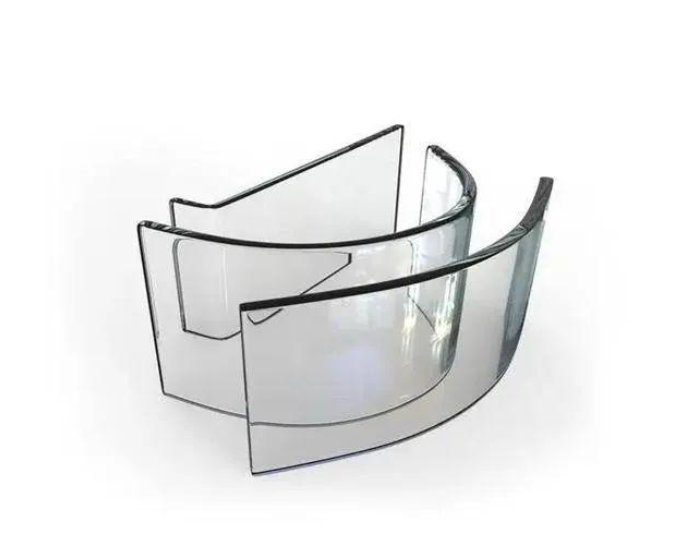
Most standard furnace reflectors are just wasting energy. They pump out wavelengths that the glass simply ignores, which is like trying to heat a room by shouting at it. If you’re working with specific additives, you need the infrared (IR) spectrum to hit the exact absorption peaks of those chemicals. That’s where gold reflector plates come in. The deal with gold It’s not about looking fancy. In the world of industrial heating, gold is the heavy lifter for near-infrared (NIR) reflection. Aluminum is fine for some things, but it starts to fail as wavelengths increase. Gold doesn’t. It keeps that reflectivity high and consistent, pushing the radiant energy straight back into the melt instead of letting it soak into the furnace walls. Hitting the sweet spot Here’s the thing: different dopants, like cerium or iron oxides, are picky. They only absorb energy at very specific micron levels. If your lamp isn’t tuned to those peaks, you’ll end up with a frustrating situation where the surface looks hot, but the core is still cold. We fix this by pairing specific filament temperatures with gold-plated shapes. It basically puts the energy exactly where the additives “want” it. The result? The heat penetrates deeper, and everything blends together much faster. The catch (because there’s always one) Gold is a powerhouse, but it’s delicate. It’s way softer than aluminum. One slip during installation, one accidental scratch, and you’ve got a “cold spot” where the energy just drops off. You’ve got to handle these plates with gloves. No exceptions. And please, put away the abrasive cleaners. Plus, you have to be careful with power density. When you pair high-wattage lamps with gold reflectors, the heat concentration is intense. If your cooling jacket isn’t up to the task, the reflector plate can actually warp. Once that happens, your focal point is gone, and your spectral alignment is shot.