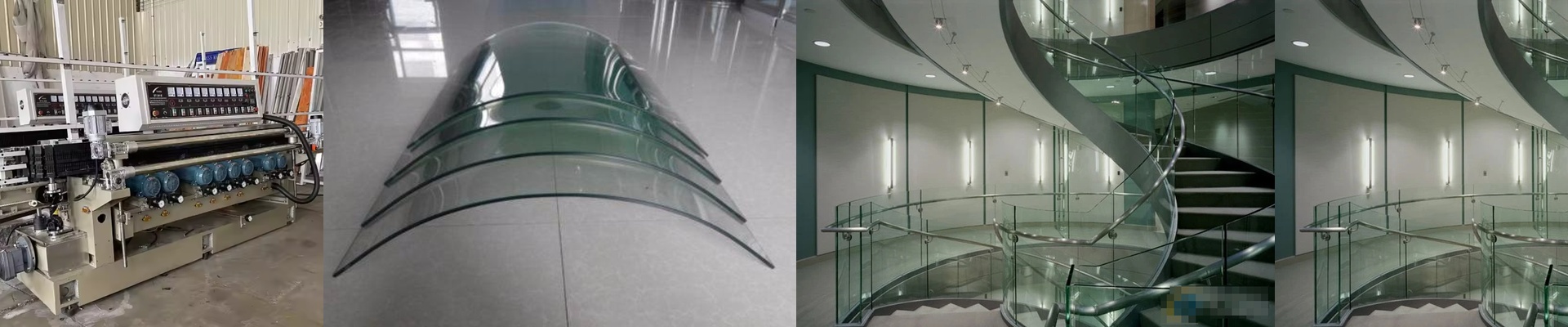
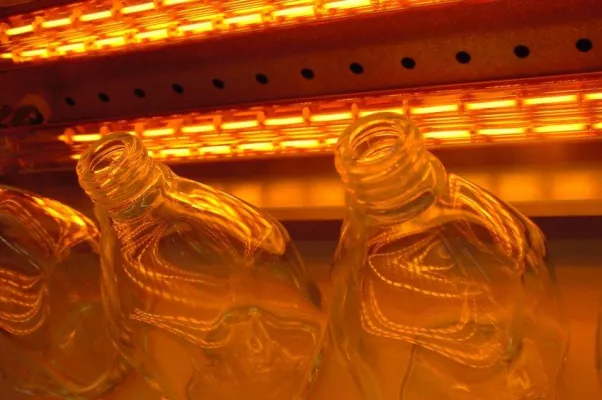
On the line, hydrophobic coatings only earn their keep when the drying step is disciplined. If the thermal field drifts, you end up with uneven cure, haze, or adhesion failure—and then tempering or lamination pays for it in scrap and rework. We built the hydrophobic coating dryer to take that guesswork out of the equation. What matters under the hood The dryer runs on short-wave infrared elements in a modular, quartz-based design, chosen to match the emissivity and thermal response of coated glass. Power density is tied to line speed, and the spectral profile is controlled so the heat penetrates the coating fast—without scorching the surface. Temperature repeatability stays tight across the full heating width, and the zones can be adjusted independently to compensate for edge losses and varying glass thickness. In other words, you get repeatable heating, not a roll of the dice. Why this matters in real glass processing In our world, yield and uptime come down to seconds. Tight thermal control cuts down on stress-induced micro-cracks that can show up later in bending or tempering. Rapid, uniform drying shortens the cycle, so coat-to-next-operation timing stays consistent and the line doesn’t stutter. Energy use drops because the heat is delivered on demand, not by hammering the line with broad convection. Practically speaking, that means fewer rejects, stable optical clarity, and a dryer that keeps up with high-throughput schedules. What to expect on install and in daily running Installation is straightforward, but the dryer performs best when the conveyor and reflector geometry are aligned to the beam profile. Plan on a short tuning period to set zone temperatures for your specific coating formulation and glass substrate. Also, the elements are built for long life, but high-humidity environments can speed up terminal oxidation—keep the supply air dry and the connections clean, and you’ll get stable output shift after shift.
บนสายการผลิต การเคลือบแบบกันน้ำมันจะเห็นผลเมื่อขั้นตอนการอบแห้งถูกควบคุมอย่างเคร่งครัด หากสนามความร้อนเกิดการเบี่ยงเบน จะส่งผลให้เกิดการบ่มที่ไม่สม่ำเสมอ ความขุ่น หรือการยึดเกาะล้มเหลว และในที่สุดกระบวนการเทมเปอร์หรือการลามิเนตก็ต้องรับผิดชอบกับของเสียและงานแก้ไข เราจึงพัฒนาตู้อบแห้งสำหรับเคลือบแบบกันน้ำมันเพื่อขจัดความไม่แน่นอนในกระบวนการนี้
สิ่งที่สำคัญภายในเครื่อง
ตู้อบใช้แหล่งกำเนิดรังสีอินฟราเรดคลื่นสั้นในรูปแบบโมดูลาร์ที่ฐานเป็นควอตซ์ ซึ่งเลือกให้สอดคล้องกับการแผ่รังสีและการตอบสนองความร้อนของกระจกที่เคลือบ ความหนาแน่นพลังงานสัมพันธ์กับความเร็วสายการผลิต และควบคุมโปรไฟล์สเปกตรัมเพื่อให้ความร้อนซึมผ่านชั้นเคลือบได้อย่างรวดเร็วโดยไม่ทำให้พื้นผิวไหม้ ความสามารถในการทำซ้ำของอุณหภูมิยังคงอยู่ในระดับที่แม่นยำตลอดความกว้างของพื้นที่ให้ความร้อน และแต่ละโซนสามารถปรับแยกกันได้เพื่อชดเชยการสูญเสียขอบและความหนาของกระจกที่แตกต่างกัน กล่าวคือจะได้การให้ความร้อนที่ทำซ้ำได้ ไม่ใช่การเสี่ยงโชค
เหตุผลที่สำคัญในกระบวนการผลิตกระจกจริง
ในงานของเรา ผลผลิตและเวลาทำงานขึ้นอยู่กับวินาที การควบคุมความร้อนที่เข้มงวดช่วยลดการเกิดรอยแตกร้าวขนาดเล็กจากความเครียดซึ่งอาจปรากฏในขั้นตอนการดัดหรือเทมเปอร์ในภายหลัง การอบแห้งที่รวดเร็วและสม่ำเสมอช่วยลดระยะเวลาของรอบงาน ทำให้เวลาระหว่างการเคลือบกับการดำเนินงานถัดไปคงที่และสายการผลิตไม่สะดุด การใช้พลังงานลดลงเนื่องจากความร้อนถูกส่งตามความต้องการ ไม่ใช่การใช้ความร้อนแบบลมร้อนทั่วทั้งสายผลิต ในทางปฏิบัติหมายถึงของเสียลดลง ความชัดเจนทางแสงคงที่ และตู้อบแห้งที่รองรับตารางการผลิตที่มีความเร็วสูง
สิ่งที่คาดหวังเมื่อการติดตั้งและการใช้งานประจำวัน
การติดตั้งทำได้ไม่ซับซ้อน แต่ตู้อบจะทำงานได้ดีเมื่อรูปทรงของสายพานลำเลียงและตัวสะท้อนแสงถูกจัดให้ตรงกับโปรไฟล์ของลำแสง ควรวางแผนระยะเวลาปรับตั้งสั้นๆ เพื่อกำหนดอุณหภูมิในแต่ละโซนให้เหมาะสมกับสูตรเคลือบและวัสดุฐานกระจกของคุณ นอกจากนี้ แหล่งกำเนิดรังสีถูกออกแบบให้มีอายุการใช้งานยาวนาน แต่สภาพแวดล้อมที่มีความชื้นสูงอาจเร่งการเกิดออกซิเดชันที่ปลายอุปกรณ์—ควรรักษาอากาศที่นำเข้ามาให้แห้งและทำความสะอาดจุดเชื่อมต่ออย่างสม่ำเสมอ เพื่อให้ผลลัพธ์การผลิตมีความเสถียรในแต่ละกะงาน