Under-Tile Heating: Warmth That Actually Makes Sense
You know that bone-deep chill you get from cold floors in winter? We set out to fix that. Forget the noisy, drafty, bone-dry forced-air systems. Under-tile heating is about a different kind of comfort—the kind that settles into the room quietly and stays. It comes down to a specific kind of infrared heater. It sends out radiation in the 2–15 micron range, which slips right past the air and warms the floor, the tiles, and you—directly. No fuss. Just radiant heat that feels natural.
Power with a Purpose
These heaters are built to be workhorses. We match the voltage and wattage to deliver serious heat in a small footprint, so you get high output without overloading the circuit. It’s simple physics: more wattage in a compact form means more heat flux. That translates to a fast warm-up and steady temperatures. But it also means the surrounding materials feel the heat. Plan for proper thermal insulation and balance the load. Do that, and the system performs the way it should—consistently.
Built to Take It
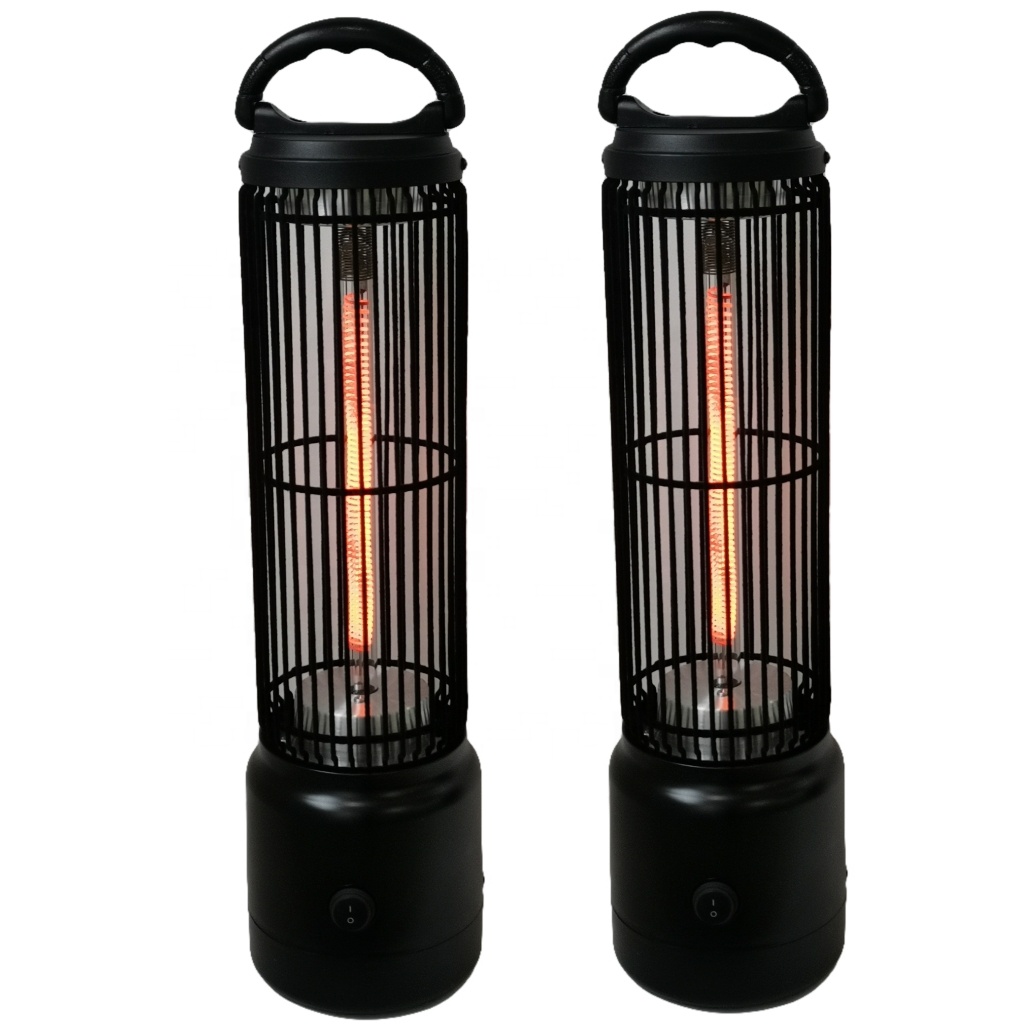
Inside, you’ve got a halogen element sealed in a quartz tube. That combo lets the element run hot enough to produce that ideal infrared band, while the quartz handles the thermal shock without blinking. The R7s connector isn’t there by accident. It’s a standard for a reason: a secure, high-temp connection that’s easy to wire and holds steady through the natural movement and expansion of a floor. This is a component you can drop in and trust to take a beating.
How It Feels in Real Life
For installers and engineers, this setup means heat you can control. The floor becomes a thermal battery—soaking up warmth and releasing it evenly. Cold spots disappear, and you don’t have to pour energy into keeping the temperature steady. The payoff is a space that feels genuinely warm, without drafts. It’s clean, reliable, and simple to integrate. You get precise control without complexity.
The Trade-Offs You Should Know
Let’s be upfront: this is a high-intensity heater. It warms fast, and that means you have to respect clearances and thermal management. Make sure the subfloor and nearby materials can handle sustained heat. And don’t skimp on insulation. It’s not optional. Good insulation protects the structure and keeps the system efficient. Treat it with respect, and it treats you right.
The Health Side of Warmth
Because the heat goes straight to objects—not the air—there’s less air movement. Less movement means less dust swirling around and better humidity stability. The result is a quieter, cleaner warmth that feels better to breathe.
Installation and the Long Haul
We built this for straightforward installs. The R7s connection is standard, so wiring is clean and simple—whether it’s a new build or a replacement. The halogen-quartz assembly is tough, handling repeated cycles without losing output. It’s the kind of component you set and forget, because it’s made to keep working under the floor, year after year.
What You’re Getting
A compact, high-density infrared heater designed specifically for under-tile use. It delivers focused radiant heat, responds quickly, and holds steady. The design is simple, the performance is proven, and the install is direct. It turns a cold floor into a source of comfort—one you can rely on.
The Bottom Line, Straight Up
Specific-band infrared under-tile heaters are a practical, health-minded way to warm a space. They deliver direct warmth, cut down on air movement, and slip cleanly into floor systems. The science is solid, the build is tough, and the results are real. For winter comfort that feels natural, this is the kind of heat that makes sense.