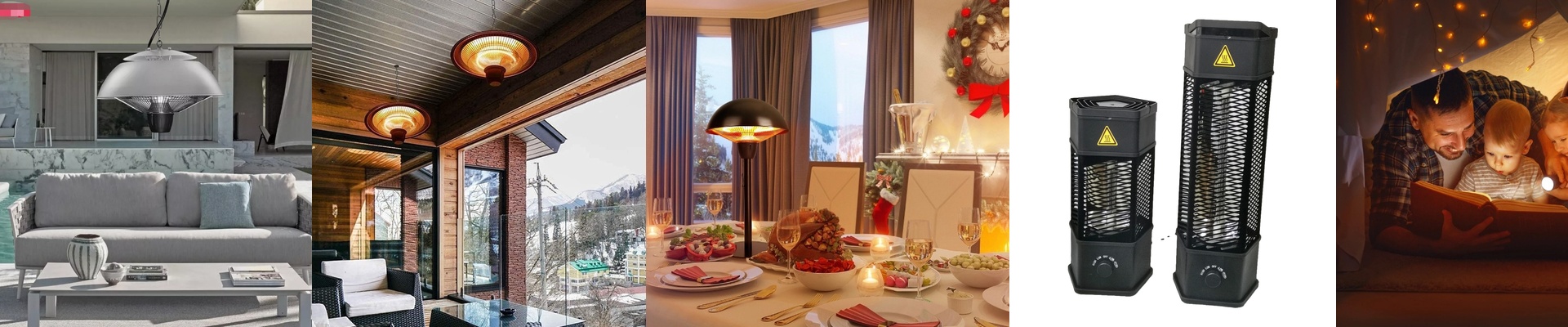
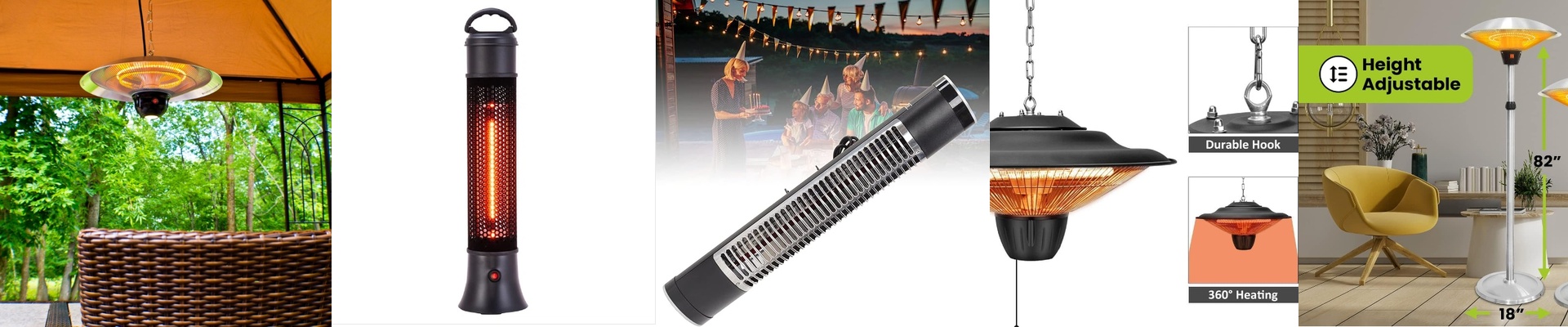
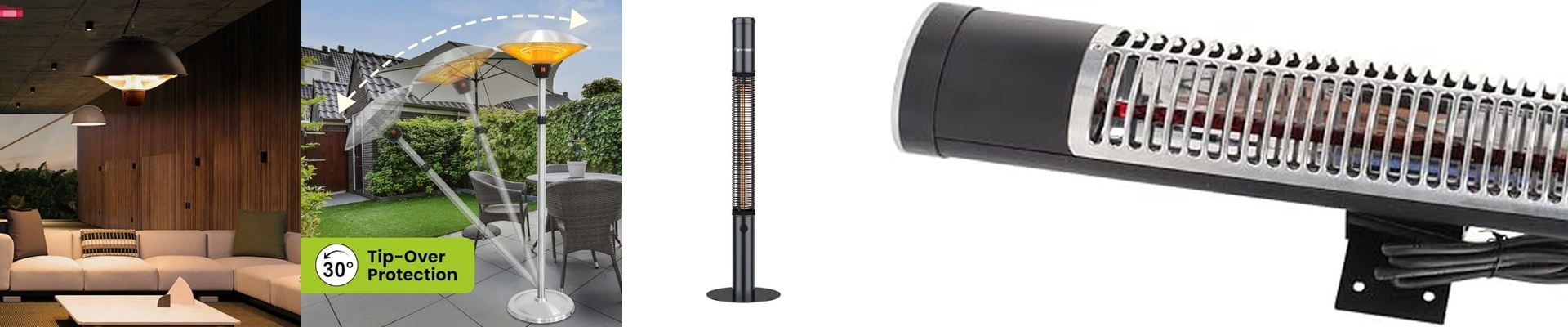
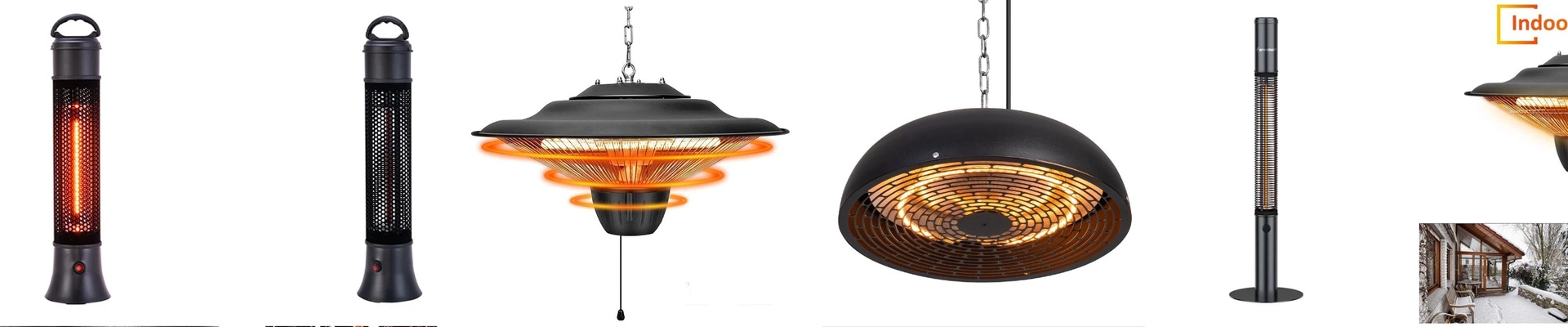

Step into a bathroom after a long day and the air hits you. You flip on the infrared heating lamp, hoping for that immediate radiant warmth on your skin—not flicker, not failure, and certainly not a chill that hangs around. In damp, steamy rooms, heat isn’t a perk. It’s comfort you need to trust. We built our bathroom infrared heaters to deliver that reliability, and that means proving it in the exact conditions that chew up lesser units.
What matters, technically
Our decorative infrared heaters run on quartz-tube elements that emit short-wave radiant heat. That warms people and surfaces directly, instead of wasting time heating the air. The payoff is speed—comfort in seconds—without stirring up drafts. Each lamp is engineered for 120V operation, with sealed housings and internal wiring rated for humid environments. We put every unit through accelerated damp-heat aging, cycling heat, steam, and condensation to mimic years of bathroom exposure. The upshot is stable output and dependable ignition, even after repeated thermal shock.
Why it holds up in a bathroom
Bathrooms don’t forgive. Steam condenses, seals fatigue, and connections corrode. By aging each heater in controlled, humid chambers, we catch weak points early—gaskets that might start to weep, terminals that can oxidize, reflectors that can haze. That testing is why you get consistent infrared warmth the second you switch the lamp on. It also means fewer replacements, less downtime, and steady comfort when you need it most: morning routines, evening soaks, or a quick refresh.
Things to keep straight
Radiant heat warms you directly, so the room air can still feel cooler than your skin—that’s normal. For the best results, aim the heater so it bathes the target area and keep obstructions out of the way. Installation needs a dedicated circuit and should be handled by a qualified electrician. Keep the heater away from direct water streams and respect the specified clearances. The aging process improves long-term reliability, but no electric heater is meant for submersion or fully enclosed showers unless it has the proper IP-rated protection.