
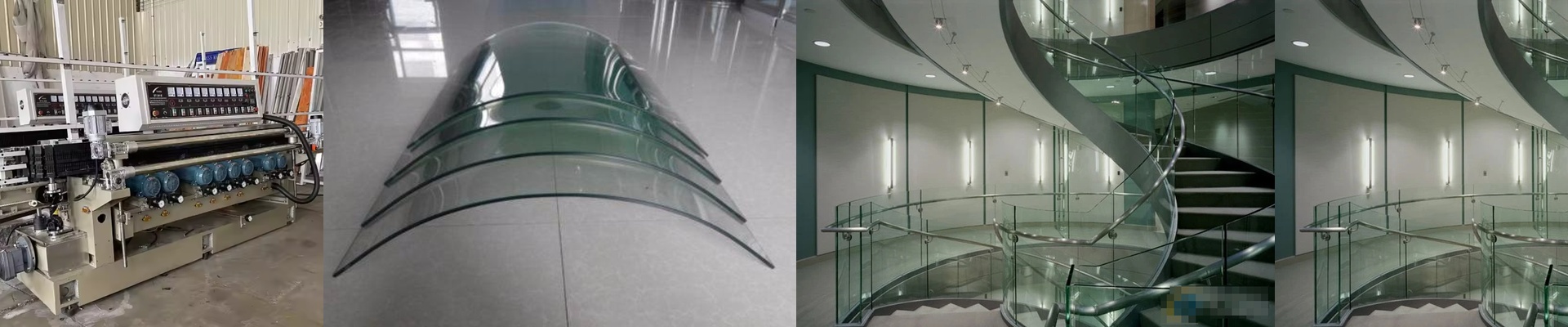
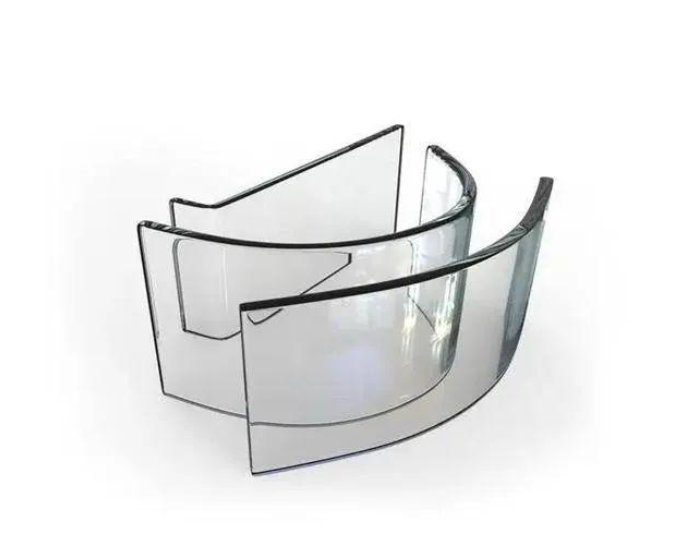
On the line, the preheater isn’t a nice-to-have. It’s the first gate. If the glass hits tempering, bending, or lamination with a cold edge or a wavy thermal profile, you pay for it—breaks, optical distortion, and scrapped batches. We built our preheater to cut that uncertainty off at the pass, right where the process starts. What actually matters under the hood We use near-infrared (NIR) quartz emitters—fast, directional heat with low thermal inertia. Setpoints change in seconds, not minutes, so the unit can keep pace with line speed without overshoot. The heater face stays at a controlled temperature to limit radiant losses, and the reflector geometry keeps the energy on the glass, not on the frame. Power density is matched to common glass thicknesses, and the zone layout supports edge-to-center compensation: edges get up to temperature before the center, which reduces thermal stress. Control is PID with closed-loop feedback, and you’re seeing actual glass surface temperature, not just heater temperature. Why it holds up in real processes In tempering, uniform preheat prevents that sharp edge chill that shows up as burst patterns and uneven quench. In bending, repeatable preheat gives you consistent sag and fewer optical waves. In lamination, the adhesive hits the intended cure window from the first cycle, so bond strength stays stable without scorching the interlayer. The payoff is fewer rejects, fewer reruns, and a line that runs the cycle time you planned. Energy use comes down because the heater idles less and delivers heat when it’s needed. Field-level notes that save headaches Installation is straightforward on most lines, but clearance is non-negotiable. The preheater needs a clean line-of-sight to the glass and enough standoff to avoid contacting conveyor components during maintenance. It integrates cleanly with PLC control, but the setpoint strategy has to be tuned to your glass emissivity and thickness range. With thick low-emissivity glass, the zone power balance may need adjustment to keep edge-to-center uniformity where you want it. Keep the emitter surface clean and stick to a schedule for checking quartz integrity. Even one hot spot can create a local stress riser that shows up later as spontaneous breakage.